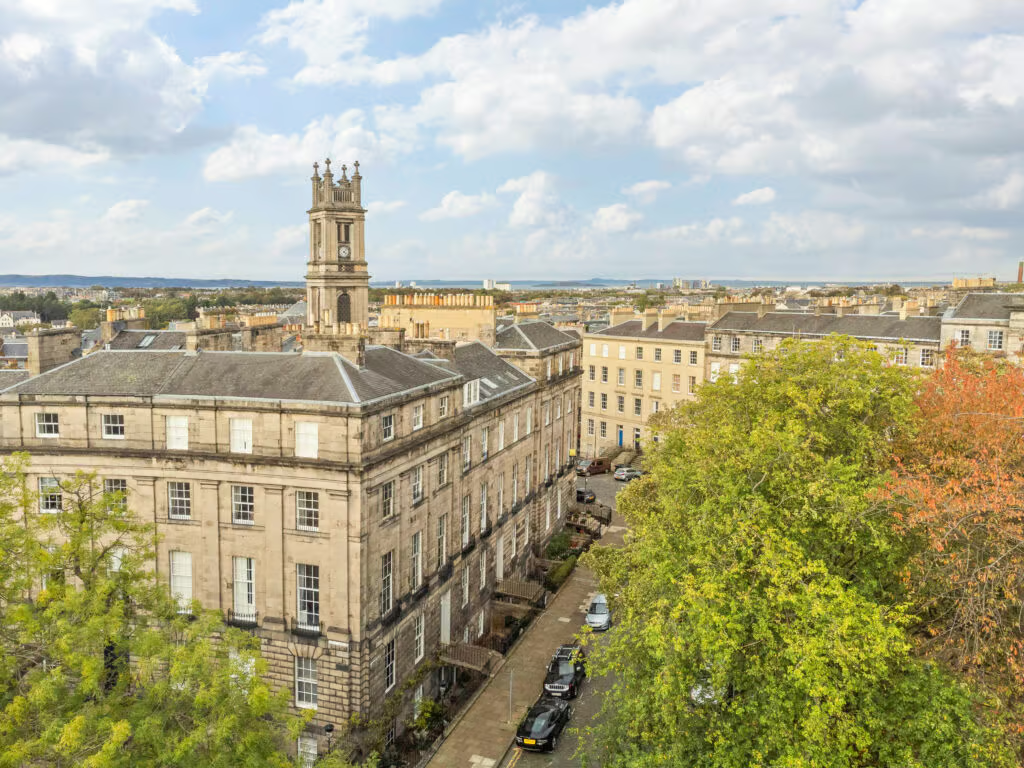
Graceful, architectural and quietly prestigious, Edinburgh’s West End sits between the city centre and the leafy residential districts beyond. Defined by grand Georgian and Victorian terraces, cultural landmarks and a calm, professional atmosphere, the West End offers an elegant alternative to the bustle of the Old Town and the retail core of Princes Street and the New Town beyond. Below is our area guide to help you learn more about this fascinating part of the Scottish capital.
A Short History
The West End developed primarily during the late 18th and 19th centuries as part of Edinburgh’s westward expansion following the success of the New Town. While the first New Town to the east was already well established, pressure for further high-quality residential and civic development led to the creation of the West End as a continuation of the same classical urban ideals.
Land to the west of Princes Street was gradually feued for development, producing a series of broad streets, crescents and circuses designed to appeal to the professional classes. Architects working in the Georgian and later Victorian idioms created a dignified townscape intended for lawyers, merchants and senior professionals who wanted proximity to the city without its noise.
The arrival of Haymarket Station in the mid-19th century further cemented the area’s importance, linking the West End to the wider rail network while preserving its refined residential character.
The Look and Feel: Types of Period Properties
The West End is dominated by classical Georgian and early Victorian architecture. Tall, stone-built townhouses line streets such as Melville Street, Walker Street and Palmerston Place, with symmetrical facades, sash-and-case windows, wrought-iron railings and refined stone detailing.
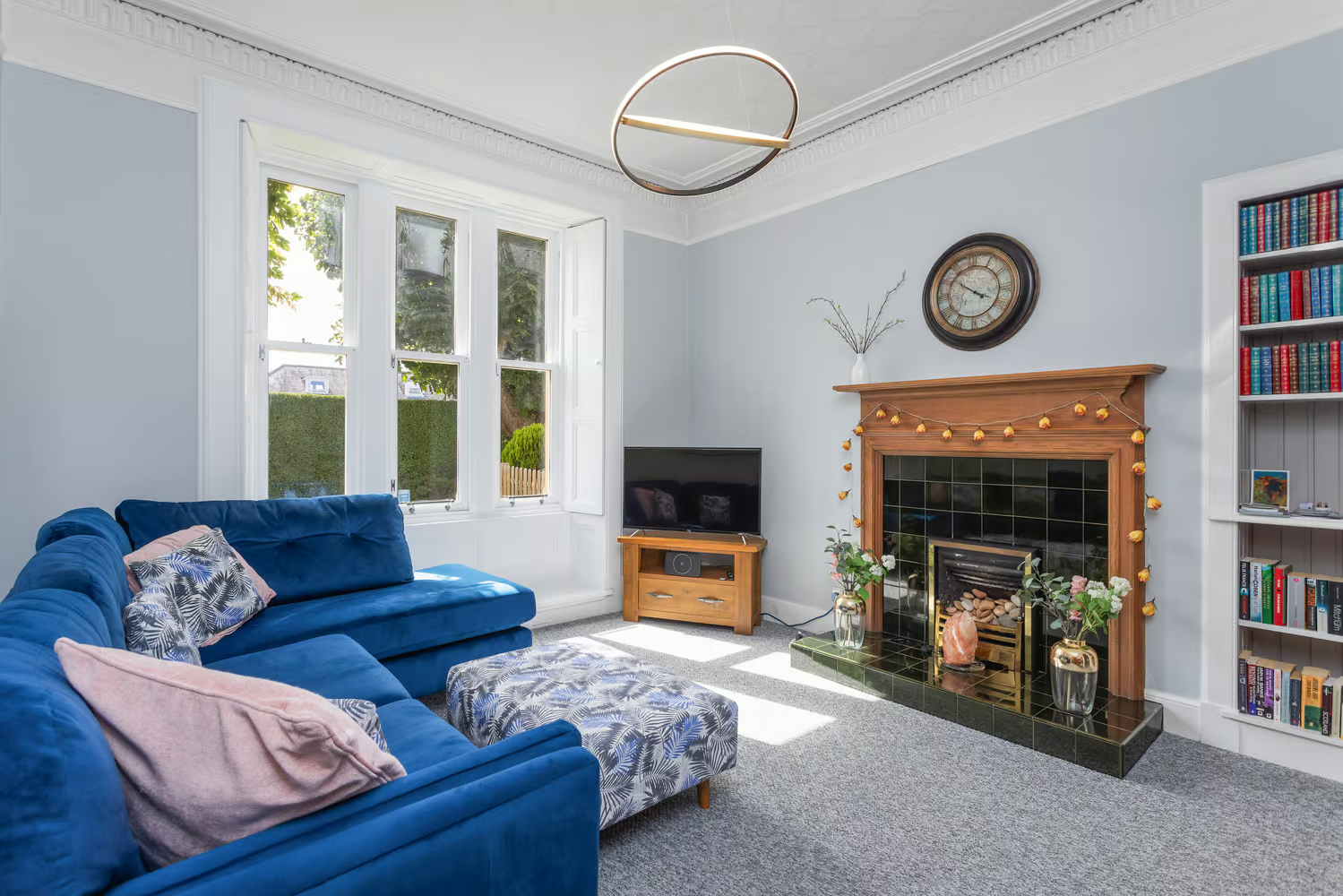
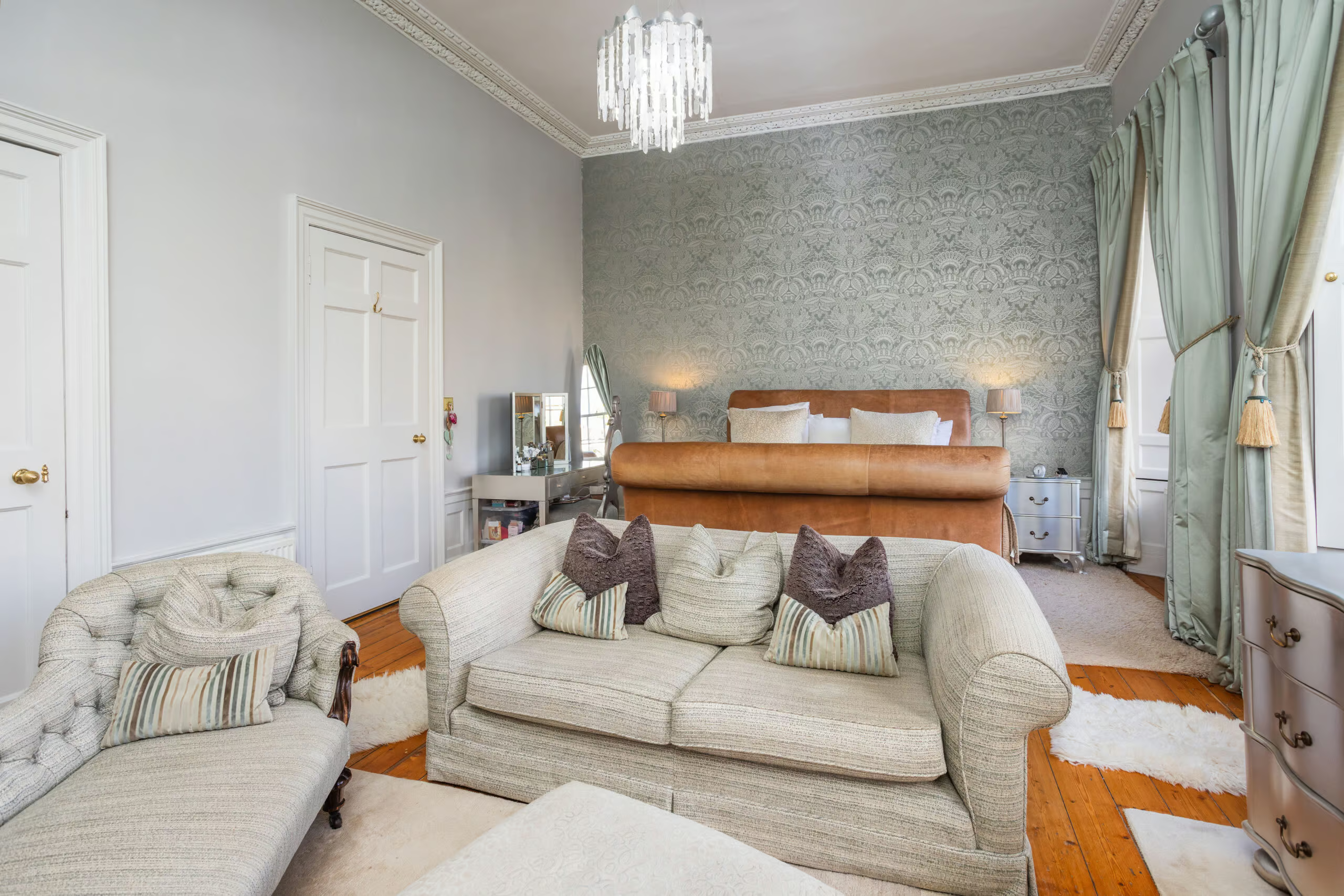
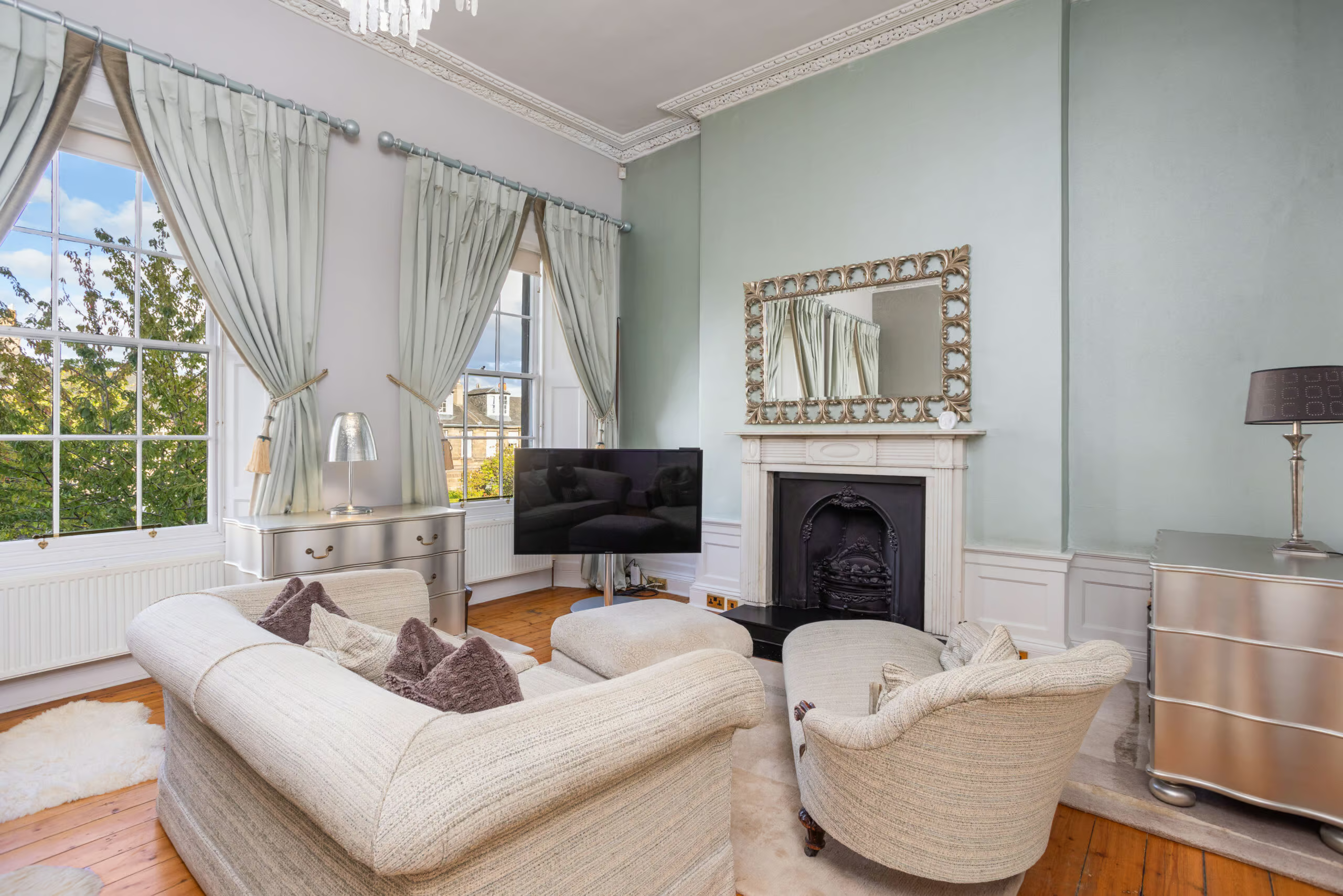
Properties were originally designed as single-family homes, but many are now sensitively converted into spacious flats, professional offices or mixed-use buildings. High ceilings, generous room proportions, original cornicing and impressive staircases are common features, particularly in upper-floor apartments.
Moving slightly north, the circular sweep of Moray Place introduces one of Edinburgh’s most architecturally celebrated addresses, with uninterrupted classical terraces overlooking private gardens. Elsewhere, later Victorian influences bring bay windows and heavier stonework, adding texture and variation while maintaining architectural harmony.
Many buildings are A- or B-listed and fall within conservation areas, helping to preserve the West End’s cohesive, stately appearance. At the same time, sympathetic renovations have added modern conveniences to these stunning buildings.
Local Amenities and Community
Despite its composed feel, the West End is exceptionally well connected. Haymarket Station sits at its heart, offering rail and tram links across the city, to the airport and beyond. Princes Street, George Street and the financial district are all within easy walking distance.
Culturally, the area is rich. The Scottish National Gallery of Modern Art lies just to the west, while theatres, galleries and independent cinemas are close by. A short walk north leads to Dean Village, providing riverside walks and a strikingly historic contrast to the formal city grid.
Dining and social life are understated but high quality, with established restaurants, hotel bars and cafés catering to residents, professionals and visitors. Green spaces such as Drumsheugh Gardens and nearby Princes Street Gardens offer welcome outdoor retreats.
The community here tends to be quieter and more professional in tone, with a mix of long-term residents, city-based professionals and those who value architecture, walkability and access over suburban scale.
Buying and Living Here – What to Expect
The West End sits firmly in the upper tier of Edinburgh’s property market. Values reflect the area’s central location, architectural quality and scarcity of supply. Buyers are often drawn by the generous internal space, period detail and convenience for work and travel.
Many properties require an understanding of listed-building responsibilities, particularly if alterations are planned. However, well-maintained conversions offer elegant, low-maintenance living with a strong sense of permanence and investment security.
The area suits buyers looking for a refined urban lifestyle: city-centre proximity without nightlife noise, prestige without ostentation, and architecture that rewards long-term ownership.
Our Favourite Street: Melville Street
If one street captures the West End’s character, it is Melville Street. Broad, symmetrical and impeccably proportioned, it exemplifies Edinburgh’s classical planning at its most confident. Tall Georgian terraces face each other across wide pavements, creating a sense of space and calm rarely found so close to a city centre.
The street has long been associated with legal chambers and distinguished residences, and today remains one of the most recognisable and desirable addresses in the district. Walking along Melville Street offers a clear sense of the West End’s appeal: dignified architecture, a measured pace of life, and an atmosphere that feels established rather than transient.
Practical Tips for Visitors and Prospective Buyers
- Walk the area: The West End reveals itself best on foot. Take time to explore side streets and crescents as well as the main routes.
- Check listing status: Many properties are listed; always confirm constraints and responsibilities before purchase.
- Consider use: Some buildings have mixed residential and commercial use—clarify this early if buying a flat.
- Transport advantage: Proximity to Haymarket is a major asset, particularly for frequent travellers or commuters.
Final Thoughts
The West End offers a composed, architectural vision of Edinburgh living. It combines classical beauty, cultural depth and exceptional connectivity, all wrapped in a calm, professional atmosphere that has endured for centuries. For those who value period proportions, central convenience and a sense of understated prestige, it remains one of the capital’s most compelling neighbourhoods.
If a West End property feels like the right fit for you, we would be delighted to discuss current opportunities and guide you through the market. Contact us directly to discuss your requirements.