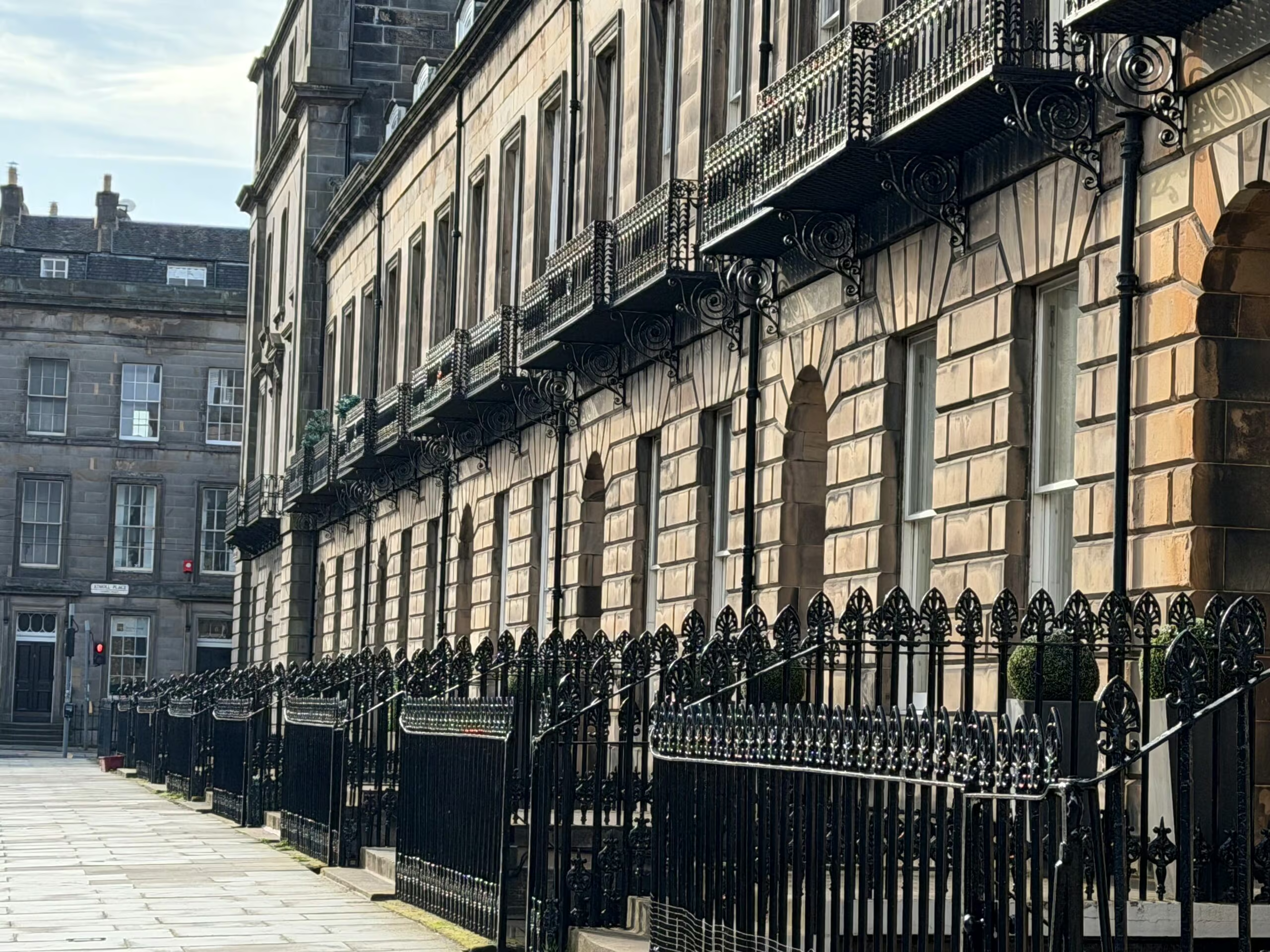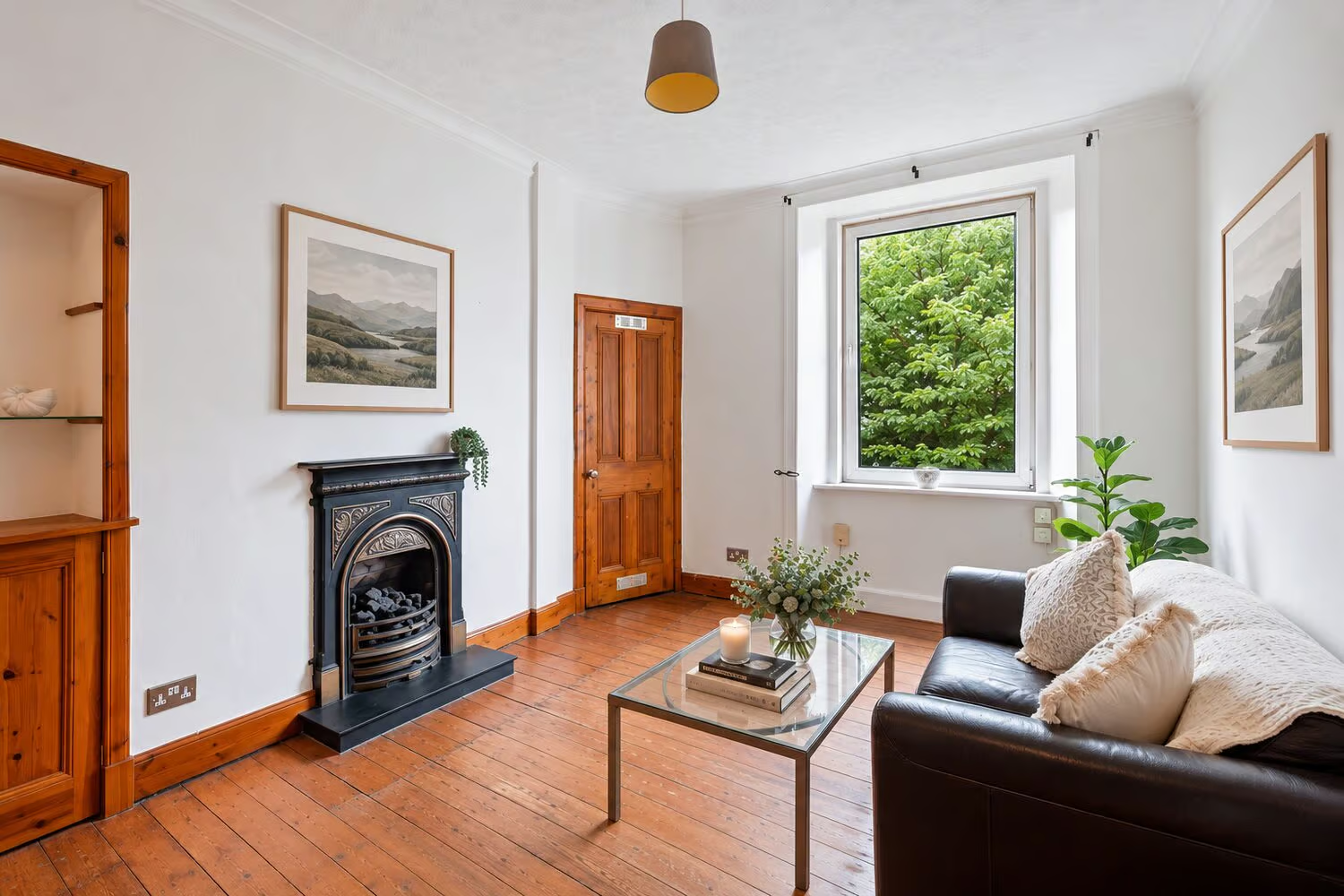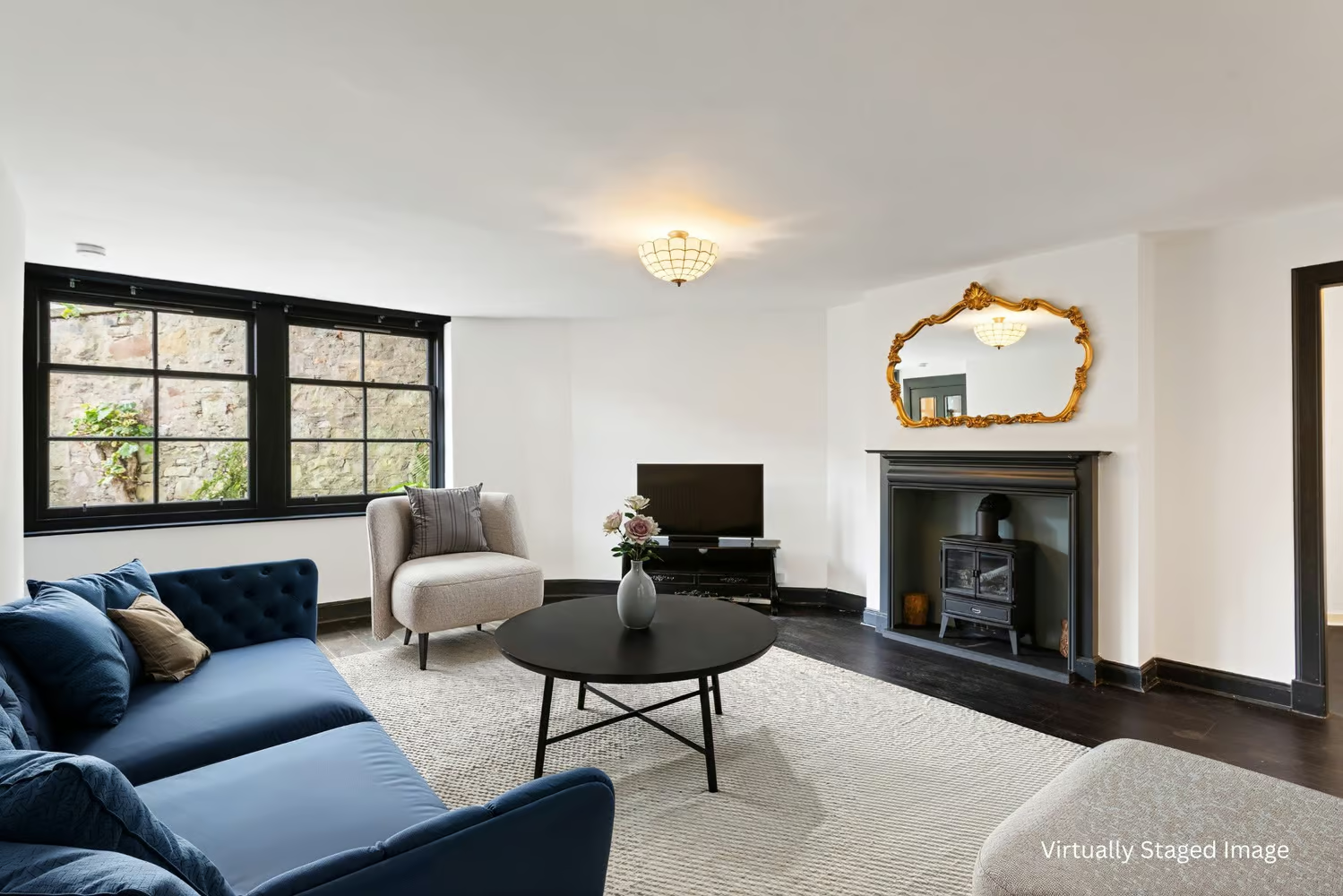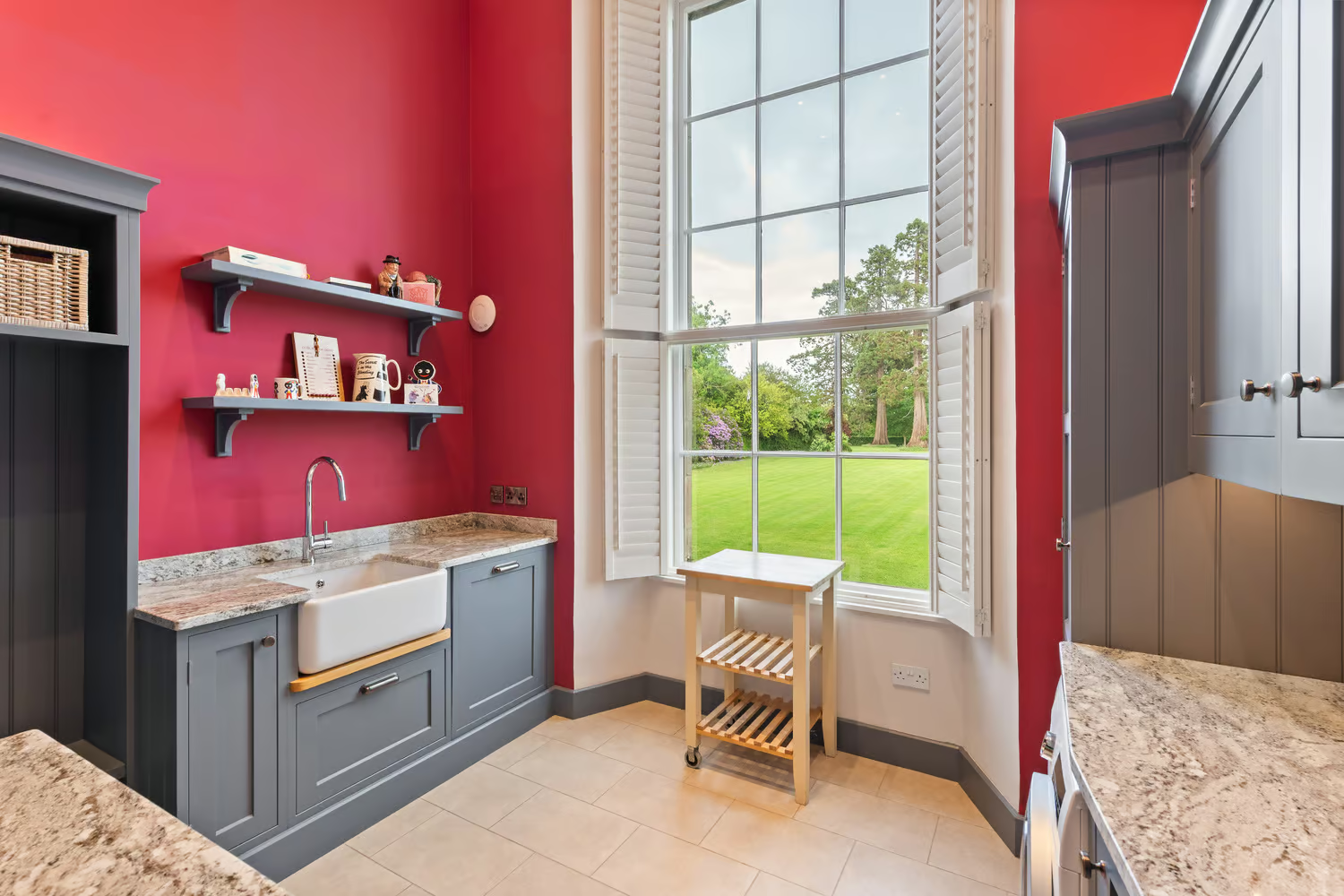
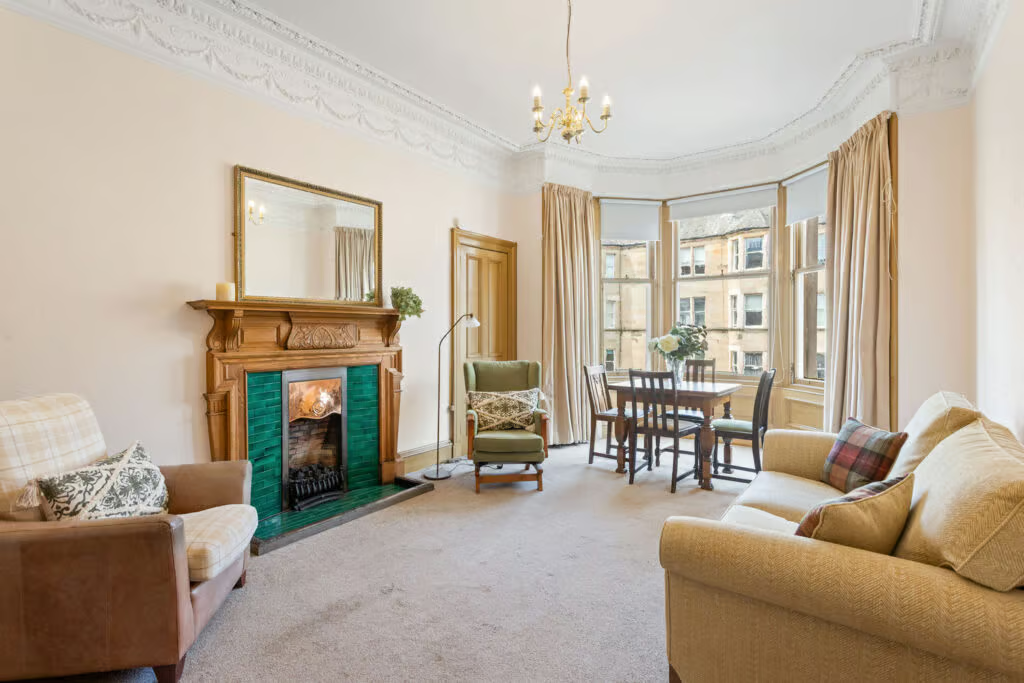
From elegant Georgian townhouses in the New Town to Victorian tenements in Marchmont and Edwardian villas in Morningside, Edinburgh’s period homes continue to attract buyers looking for character, space and architectural charm. Yet affordability in 2026 is about much more than the asking price.
While house-price headlines often dominate property discussions, buyers today are also weighing mortgage costs, renovation budgets, energy efficiency and ongoing maintenance commitments. At the same time, many remain willing to pay a significant premium for original features and sought-after historic locations.
So, are period homes in Edinburgh becoming more or less affordable? The answer depends on what affordability really means.
Edinburgh House Prices Remain Among Scotland’s Highest
Edinburgh continues to be Scotland’s most expensive local authority for residential property.
The average house price in Edinburgh reached approximately £303,000 in June 2026, representing annual growth of 3.3%. But those averages only tell part of the story. Prime period homes tend to attract buyers willing to pay more for attractive homes in great condition and sought-after areas.
Many of Edinburgh’s most desirable period properties are concentrated in premium neighbourhoods such as:
- The New Town
- Stockbridge
- Marchmont
- Bruntsfield
- Morningside
- The Grange
- Murrayfield
In these areas, period homes frequently command prices well above city averages due to their location, architectural significance and limited supply. Those homes attract offers far outpacing headline market statistics.
Mortgage Rates Are Now a Bigger Factor Than House Prices
Over the past decade, affordability was largely driven by property values. Today, borrowing costs play an equally important role.
Although interest rates have eased from recent highs, mortgage rates remain significantly above the levels many homeowners enjoyed during the 2010s. Housing-market analysts note that affordability is gradually improving, but borrowing remains a major consideration for buyers.
The Bank of England has kept interest rates steady for several months now, reassuring buyers and markets, and allowing activity to remain steady, if not busier than usual throughout the summer. Still, cash buyers or those with a pre-approved mortgage tend to be in a stronger negotiating position.
Renovation Costs Can Transform the True Purchase Price
One of the biggest differences between buying a period property and buying a modern home is the likelihood of renovation and maintenance work. Many traditional properties require ongoing investment to preserve their character and functionality. With that in mind, buyers have recently favoured properties where sensible upgrades have been completed.
Of course, there are buyers keen to take on a renovation project. If that sounds like you, here are some of the common areas for improvement:
Sash and Case Window Repairs
Original timber windows are a defining feature of Edinburgh’s historic housing stock. While attractive, they may require specialist restoration, draught-proofing or replacement of individual components.
Roofing and Stonework
Traditional slate roofs and sandstone facades can be expensive to repair, particularly where scaffolding or specialist conservation work is required.
Electrical and Plumbing Upgrades
Older properties may still contain outdated wiring or plumbing systems that require modernisation. Property surveys allow you to asses the state of a home you’re interested in and make an informed decision.
Internal Restoration
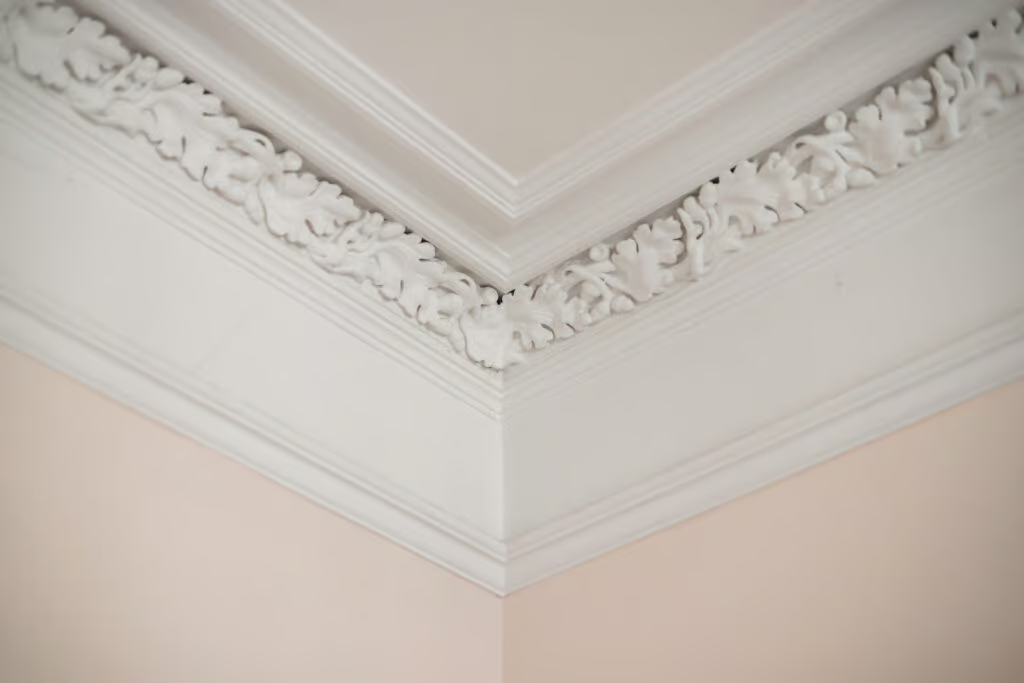
Decorative cornicing, ceiling roses, fireplaces and original joinery often require skilled tradespeople, increasing refurbishment costs.
Buyers considering a renovation project should assess affordability based on the total acquisition cost rather than the purchase price alone. A property marketed at £400,000 that requires £60,000 worth of improvements is effectively a £460,000 commitment before contingency costs are considered.
Conservation Areas and Listed Buildings Add Complexity
Edinburgh’s historic environment is one of its greatest strengths, but it can also influence affordability.
Many of the city’s most desirable period homes sit within conservation areas or are listed buildings. These protections help preserve Edinburgh’s architectural heritage but can also affect renovation budgets and project timelines.
Buyers may need consent for window replacements, external alterations, roofing changes, structural modifications and certain internal works within listed properties. While these protections maintain long-term value and character, they can increase the cost of ownership and should be factored into any affordability assessment.
Energy Efficiency Is Becoming More Important
Running costs have become a much bigger consideration for buyers since energy prices rose in recent years.
Period properties often feature solid stone walls, high ceilings, large sash windows and were created using traditional construction methods. These characteristics contribute to their appeal but can also increase heating requirements. As a result, energy efficiency is playing a larger role in purchasing decisions.
However, buyers should avoid judging a traditional building solely by its EPC rating. Research into historic properties suggests that standard assessment methods do not always accurately reflect the thermal performance of older buildings. Some traditionally constructed homes perform better in practice than their EPC score may suggest.
Increasingly, buyers are looking for period homes that combine character with practical upgrades such as secondary glazing, draught-proofing, roof insulation, efficient heating systems and sensitive energy-efficiency improvements.
Properties that achieve this balance often attract stronger demand.
Buyers Are Still Paying a Premium for Character
Despite higher borrowing costs and rising ownership expenses, demand for period homes remains remarkably resilient.
Edinburgh’s prime property market performed strongly throughout early 2026, with buyers continuing to compete for high-quality homes in desirable locations. Market data shows that premium properties have remained resilient despite broader economic uncertainty.
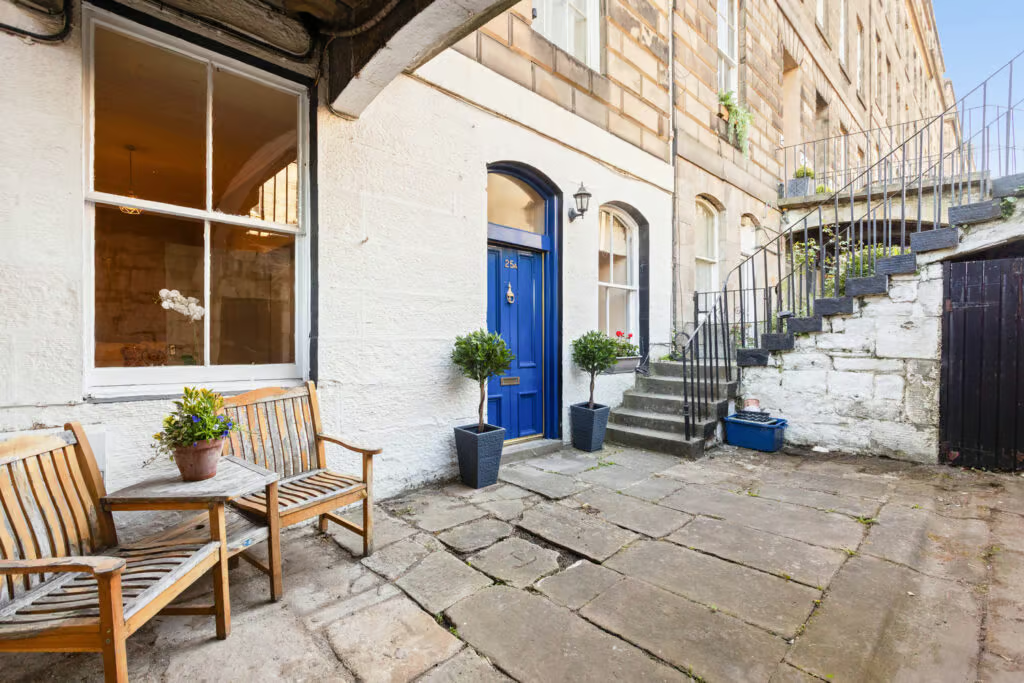
The reason is simple: Many features that attract buyers cannot be replicated in modern developments. Those include original architectural details, generous room proportions, high ceilings, mature neighbourhoods, established communities and historic streetscapes.
For many purchasers, these attributes justify a premium. What has changed is buyer behaviour: Rather than paying any price for character, buyers are becoming increasingly selective. Well-maintained period homes with modern upgrades often attract stronger interest than similar properties requiring extensive work.
In other words, buyers are still willing to pay for character, but they are becoming more cautious about hidden costs.
The Verdict: Affordability Is About More Than the Asking Price
So, are Edinburgh’s period homes becoming more or less affordable?
The reality is nuanced. House prices continue to rise, but relatively modestly. Mortgage costs remain elevated compared with historic lows. Renovation and maintenance expenses have increased, while energy efficiency has become a more important consideration for modern buyers.
At the same time, Edinburgh’s historic housing stock remains highly desirable, supporting strong demand and preserving the premium attached to character properties. The key takeaway is that affordability can no longer be measured by purchase price alone.
For anyone considering a Georgian flat, Victorian tenement or Edwardian villa, the real question is: What will this property cost to own over the next 10 years?
That means evaluating mortgage repayments, renovation requirements, maintenance obligations, energy costs, building restrictions and long-term resale potential. The buyers who answer those questions thoroughly are often the ones who find the best value in Edinburgh’s highly competitive period-property market.
Final Thoughts
Are you thinking about listing your period home this autumn? A strategic approach is critical for a successful sale. We’ll always start with a chat about your goals and an assessment of the strengths of your home. Don’t hesitate to contact us whether you’re thinking about selling now or in a year’s time. Contact me, Fiona Vernon by emailing [email protected] or phoning me on 07900 605674 now.