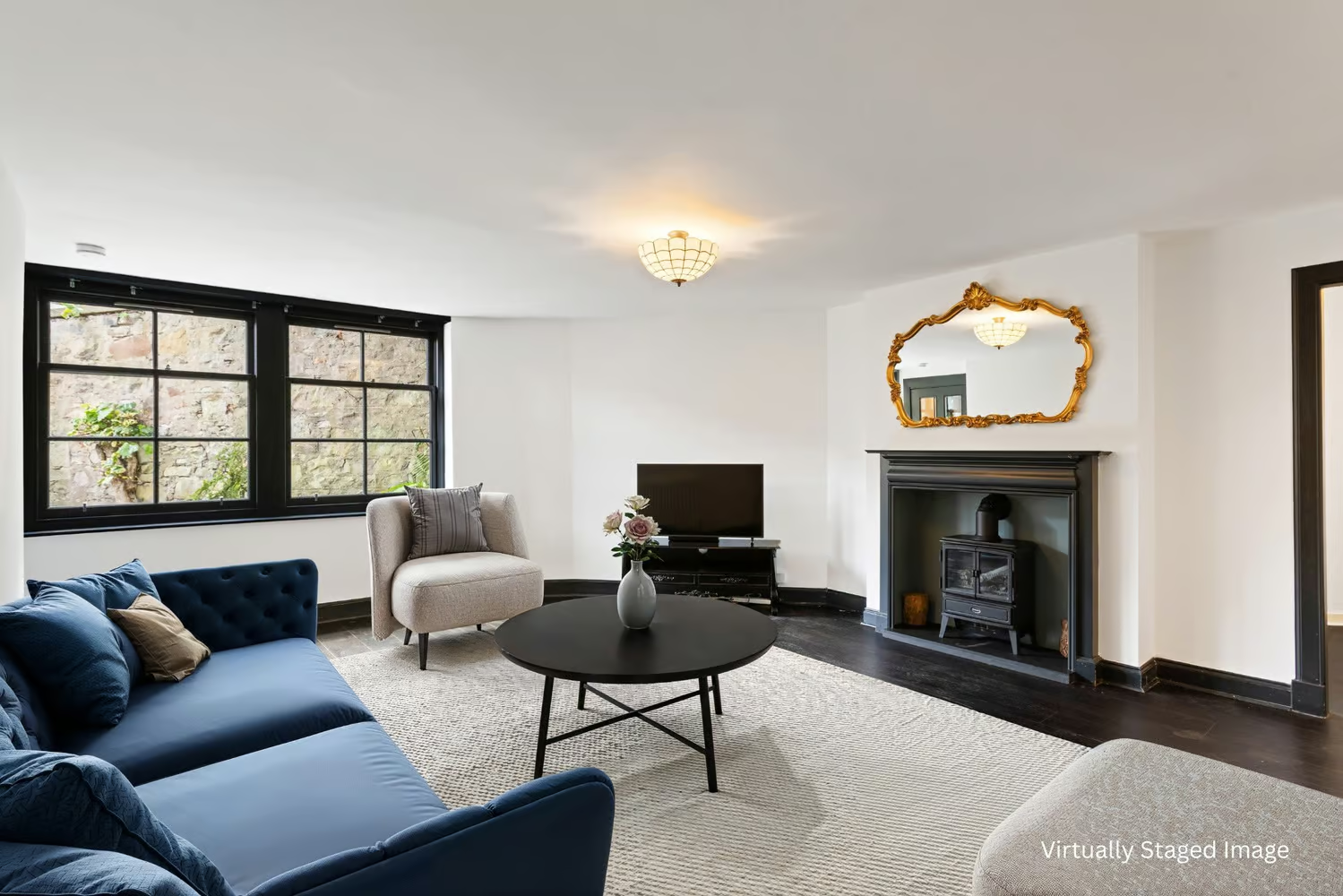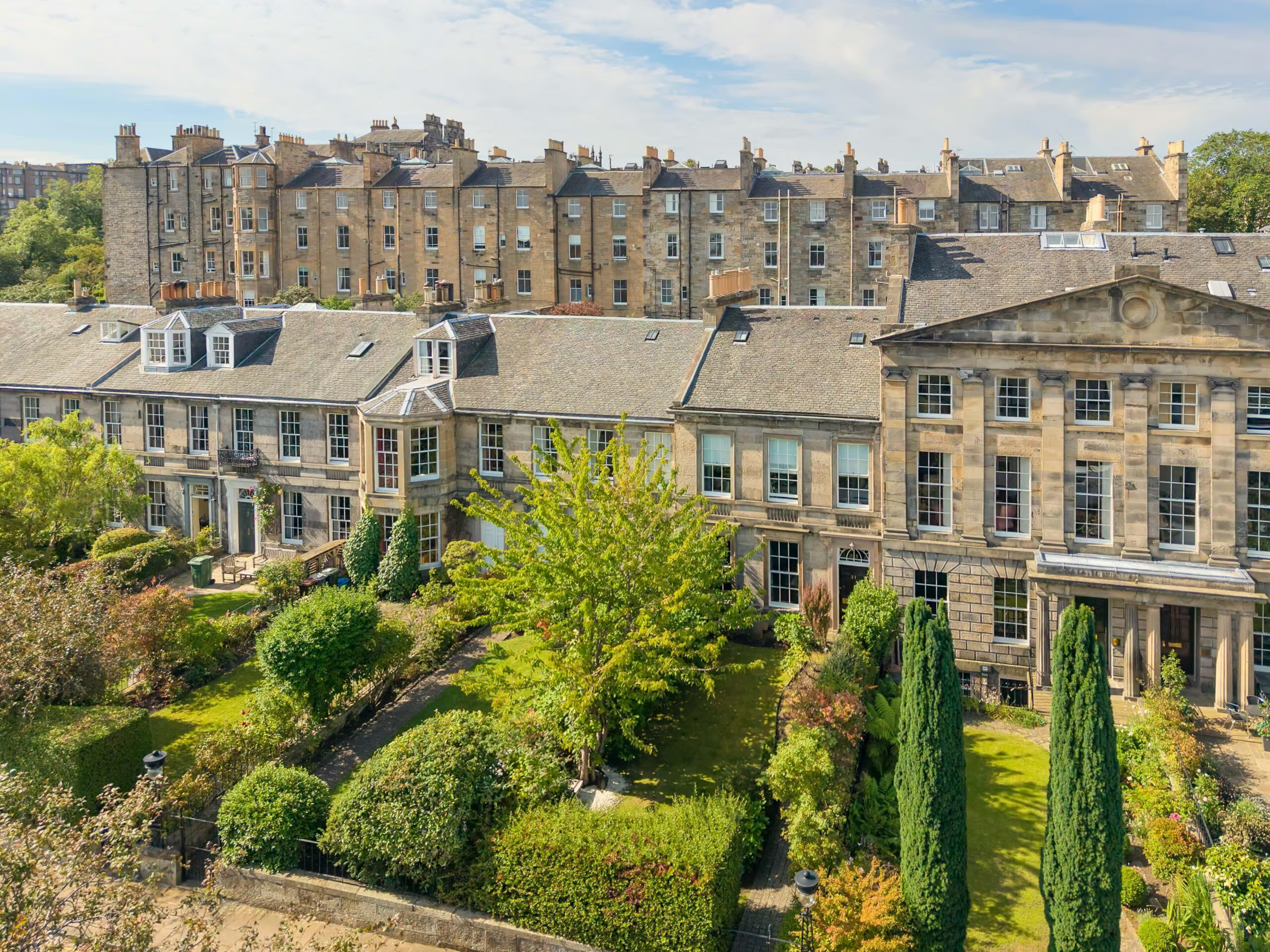
Edinburgh’s period homes are among the city’s greatest assets. Whether it’s a Georgian townhouse in the New Town, a Victorian villa in Morningside or an Edwardian family home in The Grange, these properties offer architectural character and craftsmanship that are difficult to replicate today.
For homeowners considering a renovation, one question inevitably arises: which improvements actually add value? The answer isn’t always about spending the most money. Buyers of period homes are often looking for authenticity as much as modern convenience. The renovations that command the highest premiums are those that respect the property’s original character while making it more practical for contemporary living.
If you’re planning to renovate before selling or simply want to make smart long-term investments, here are the improvements that buyers value most in Edinburgh’s period property market.
1. A Sympathetically Designed Kitchen
The kitchen has become the heart of the modern home. For many buyers, that’s one of the first rooms they’ll assess.
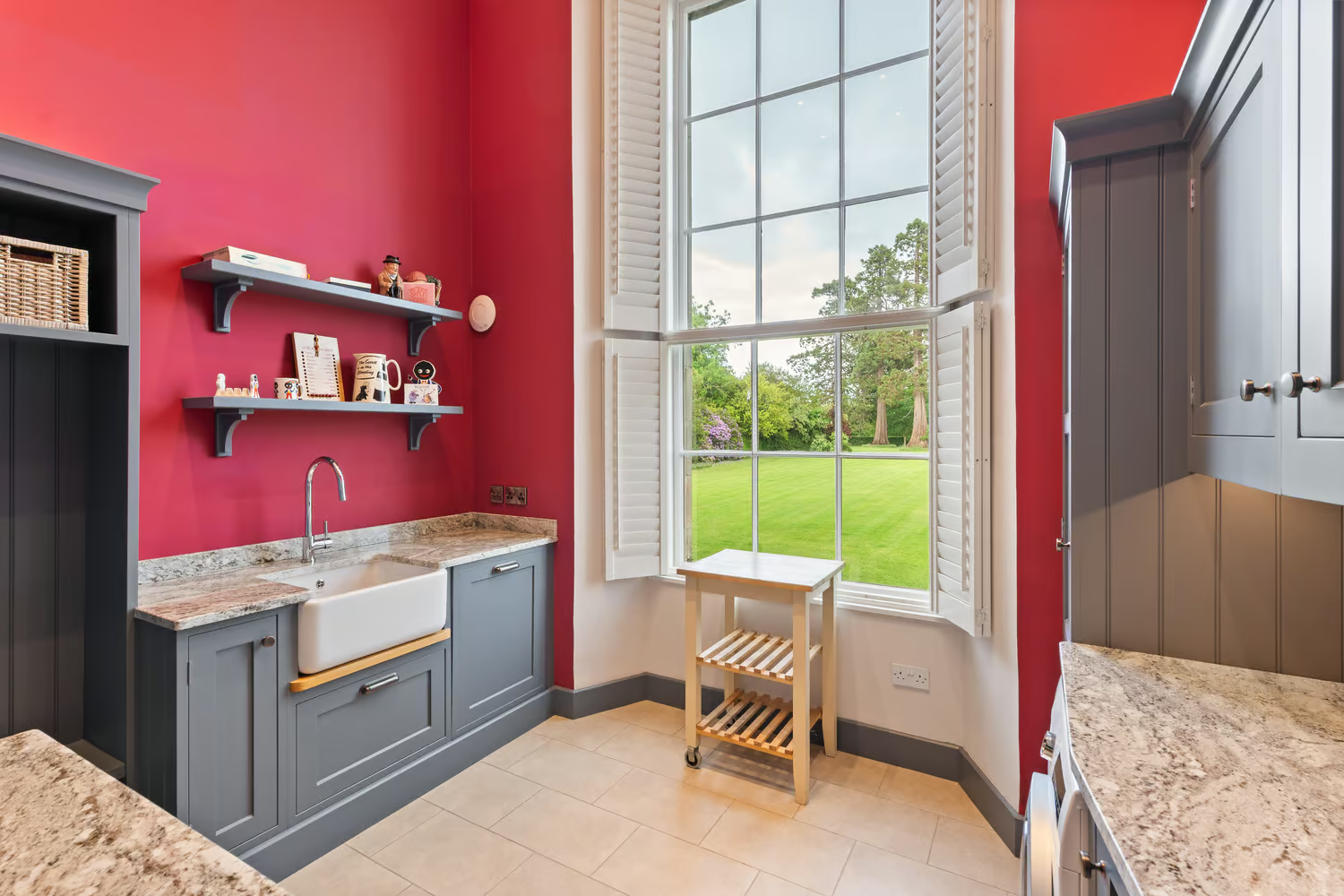
However, in a period property, a high-value kitchen isn’t necessarily the most contemporary or minimalist. Instead, buyers are looking for kitchens that complement the age and style of the property. That might include shaker-style cabinetry, natural stone or timber worktops, high-quality integrated appliances, traditional-style taps and hardware, heritage colour palettes and excellent lighting.
Open-plan kitchen-dining spaces remain popular, particularly in Victorian and Edwardian homes where rear extensions or reconfigured layouts can create fantastic family living areas. The key is ensuring the kitchen feels as though it belongs in the property rather than competing with its original architecture.
2. Restoring Original Features
One of the biggest mistakes homeowners can make is removing the very features that make period homes desirable.
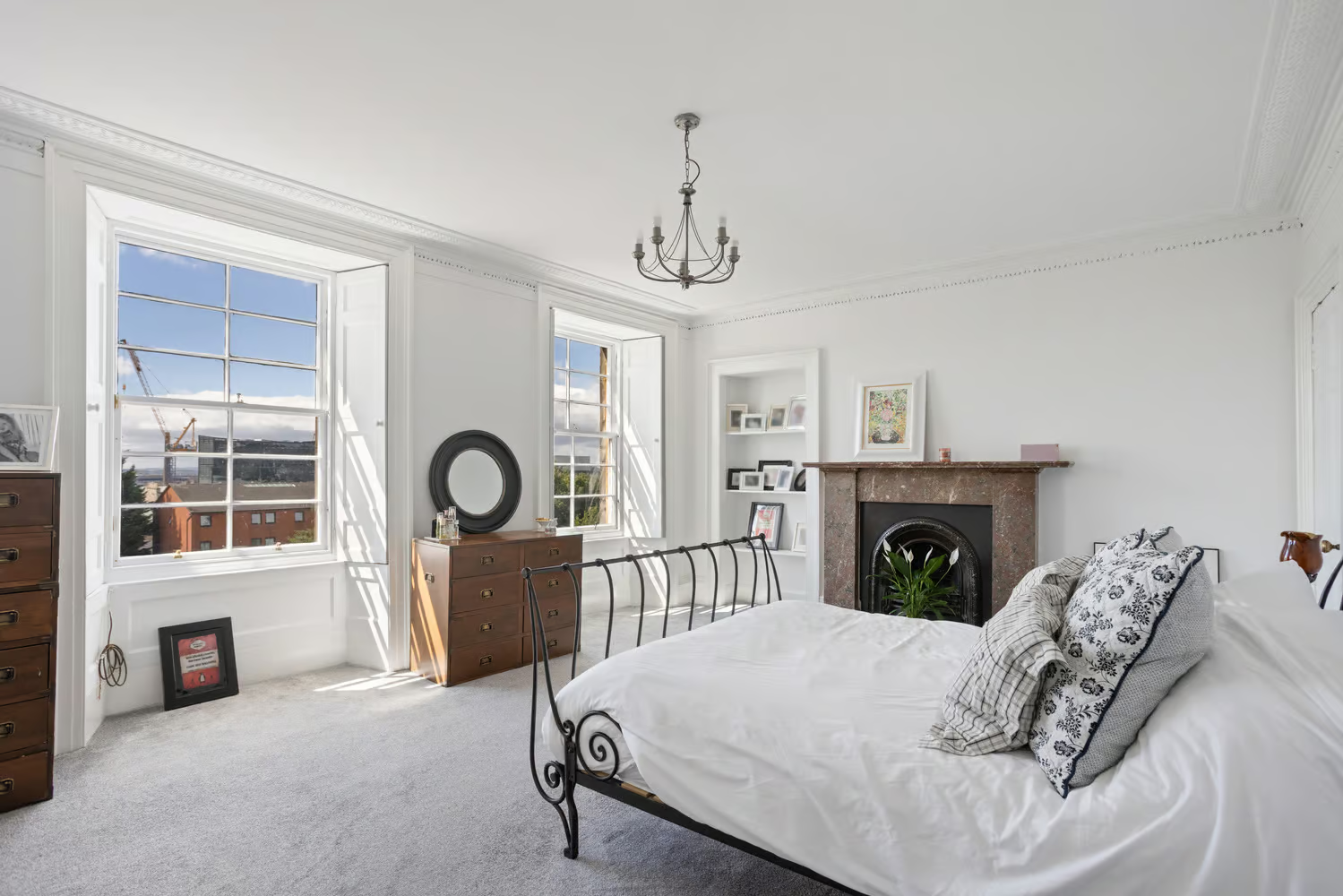
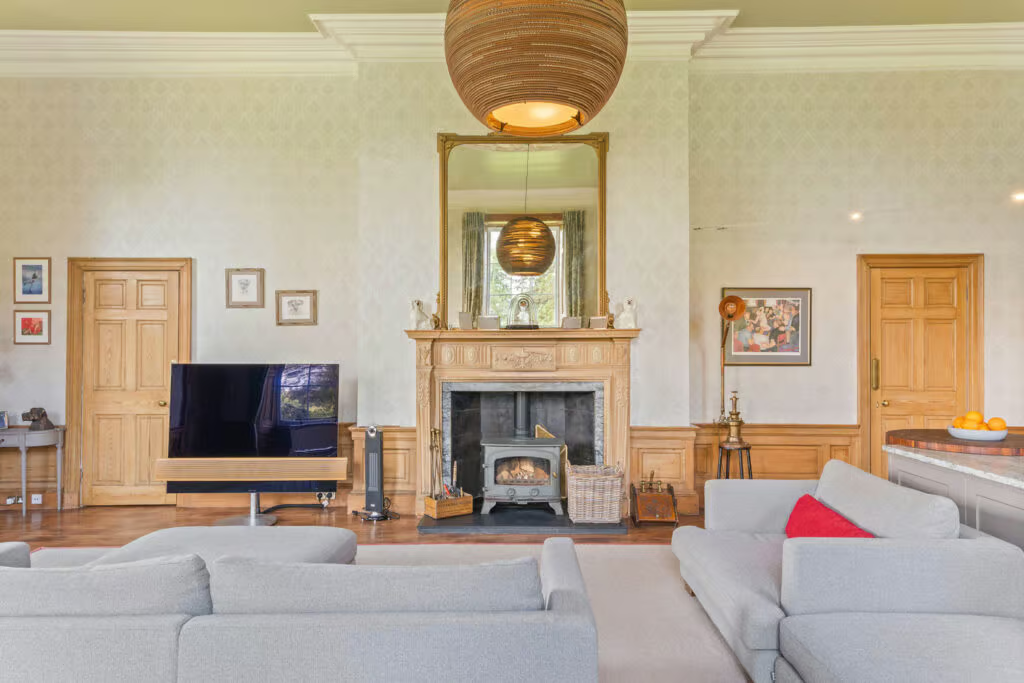
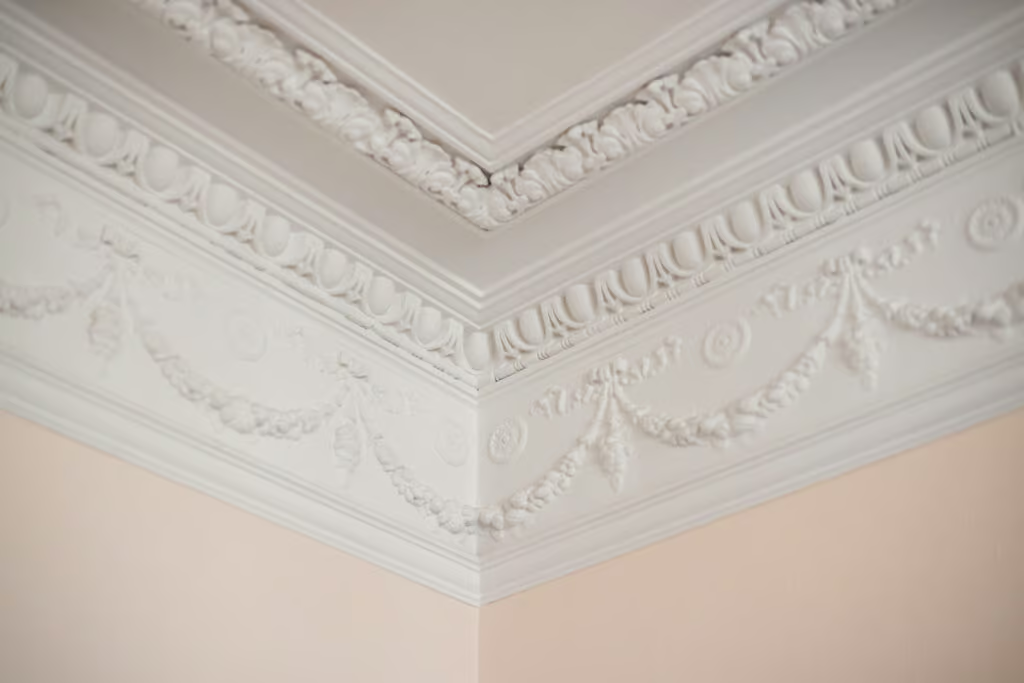
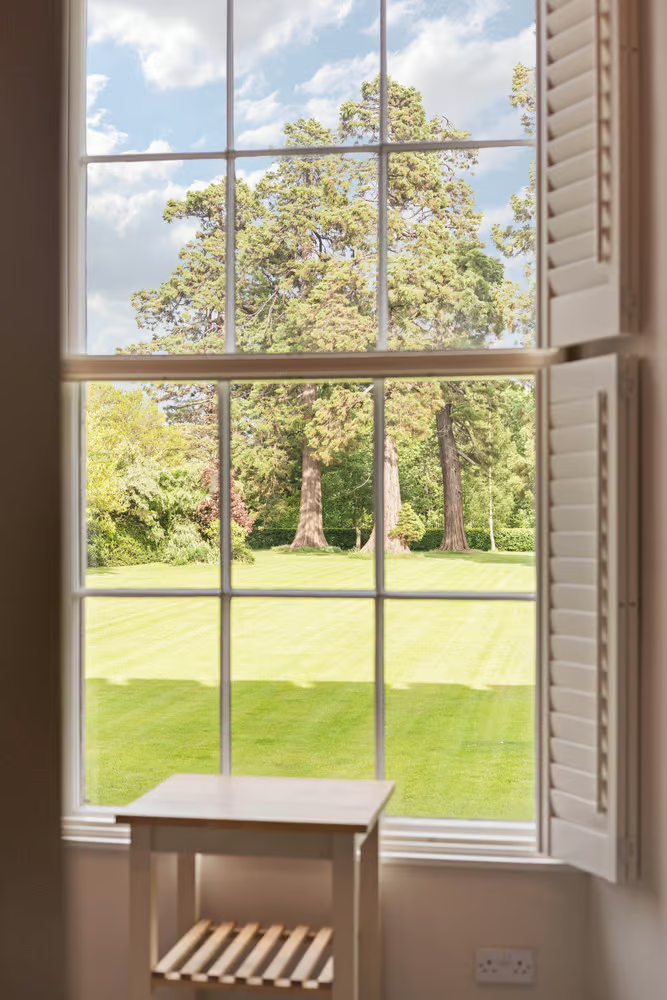
Buyers consistently pay more for homes that retain original architectural details such as decorative cornicing, ceiling roses, original fireplaces, timber sash-and-case windows, panelled doors, working shutters, original staircases and hardwood flooring. If these features have been painted over, boxed in or removed, restoring them can significantly increase a property’s appeal.
Many buyers actively search for homes with authentic period character because these features are increasingly difficult and expensive to recreate. In Edinburgh’s competitive market, originality often becomes a major selling point.
3. Beautifully Renovated Bathrooms
Bathrooms have become another area where buyers expect quality.
In period homes, the most successful bathroom renovations blend contemporary comfort with traditional styling. Popular features include:
- Freestanding baths
- Walk-in showers
- Victorian-inspired sanitaryware
- Brass or brushed nickel fittings
- Underfloor heating
- Natural stone or porcelain tiles
Where space allows, creating an ensuite can add considerable value, particularly in larger family homes. Buyers increasingly appreciate homes that combine period elegance with modern convenience, especially where plumbing upgrades have already been completed.
4. Improving Energy Efficiency Without Losing Character
Energy efficiency is another factor that’s become increasingly important for buyers, but period homes require a thoughtful approach.
Rather than replacing original features, many homeowners are choosing sympathetic improvements such as draught-proofing original windows, secondary glazing, loft insulation, improved heating controls, high-efficiency boilers and breathable insulation systems. These upgrades can improve comfort while preserving the property’s historic fabric.
Buyers often recognise that period homes won’t achieve the same Energy Performance Certificate (EPC) ratings as new-builds, but they do appreciate evidence that sensible improvements have been made. Showing that you’ve invested in comfort as well as character can strengthen buyer confidence.
5. Thoughtful Extensions
Adding extra living space can increase both enjoyment and property value, but only if it’s done well.
Rear extensions are particularly popular in Victorian and Edwardian homes where they create larger family kitchens, garden rooms, dining spaces and utility rooms.
The best extensions respect the proportions of the original building while introducing modern glazing and improved connections to the garden. Poorly designed additions can have the opposite effect. Buyers generally prefer extensions that enhance the home’s flow rather than dominate its original architecture. In conservation areas, careful design is particularly important, and obtaining the appropriate planning permissions is essential.
6. Creating Better Living Spaces
Modern lifestyles have changed considerably since many period homes were built. Today’s buyers often want kitchen-dining rooms, home offices, utility rooms, family living areas and flexible spaces.
Sensitive internal reconfiguration can dramatically improve a property’s functionality without compromising its character. For example, opening up smaller rear rooms while preserving formal reception rooms at the front often creates an ideal balance between traditional elegance and modern living.
The most successful renovations make period homes feel effortless to live in while respecting their original design.
7. Professional Decorating and Presentation
Sometimes the simplest improvements offer the strongest returns. Fresh decorating using colours that complement the property’s architecture can transform buyers’ first impressions. Neutral palettes often work particularly well because they allow original features to become the focus.
Other worthwhile improvements include:
- Restoring timber flooring
- Repainting woodwork
- Upgrading lighting
- Repairing cracked plaster
- Improving kerb appeal
- Landscaping gardens
Presentation matters. Even exceptional homes can lose value if they appear tired or poorly maintained.
8. Conservation-Approved Improvements
Many of Edinburgh’s most desirable period homes sit within conservation areas or are listed buildings.
While this introduces additional planning considerations, buyers often view sympathetic renovations positively because they demonstrate respect for the property’s heritage. Examples include restoring stonework, repairing traditional slate roofs, lime mortar pointing, timber window restoration, sensitive landscaping and high-quality conservation joinery.
Maintaining proper documentation for planning permissions, listed building consent and specialist contractors can also reassure buyers that work has been completed correctly.
What Buyers Don’t Always Pay More For
Just as important as knowing what adds value is understanding where you may not recoup your investment.
Highly personalised renovations, luxury features with limited practical appeal or alterations that remove original character may not increase sale prices as much as homeowners expect.
Examples include overly bespoke interiors, removing fireplaces, covering original flooring, replacing period windows unnecessarily, poor-quality extensions and cheap finishes in expensive homes. Today’s buyers are often remarkably knowledgeable about period properties and appreciate authenticity.
The Importance of Getting the Balance Right
Every renovation should begin with a simple question: Will this improve the home while respecting what makes it special? The answer is rarely found in dramatic transformations. Instead, the highest-value improvements tend to be those that preserve architectural character while quietly improving everyday living.
Buyers want homes that retain their soul but don’t require immediate modernisation.
Final Thoughts
Edinburgh’s period homes continue to command premium prices because they offer something increasingly rare: craftsmanship, individuality and architectural beauty. Renovations that enhance these qualities rather than replace them are most likely to add value.
Whether you’re updating a Georgian apartment, renovating a Victorian terrace or extending an Edwardian villa, the goal should be to create a home that feels both timeless and functional. Ultimately, buyers aren’t just paying for square footage. They’re investing in history, lifestyle and authenticity. Renovations that respect those qualities are the ones that deliver the greatest return.
Would you like to know more? Contact me, Fiona Vernon by emailing [email protected] or phoning me on 07900 605674 now.