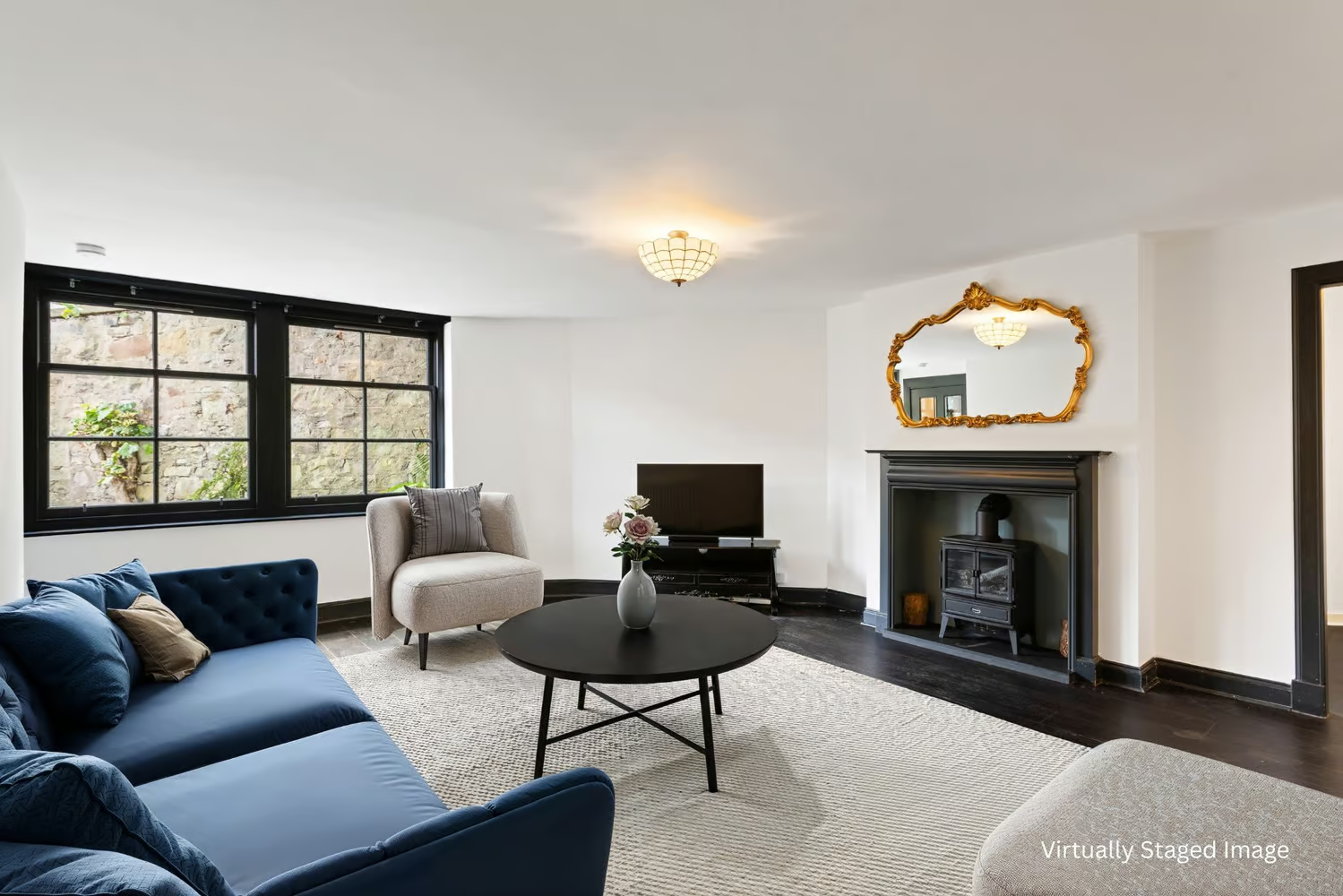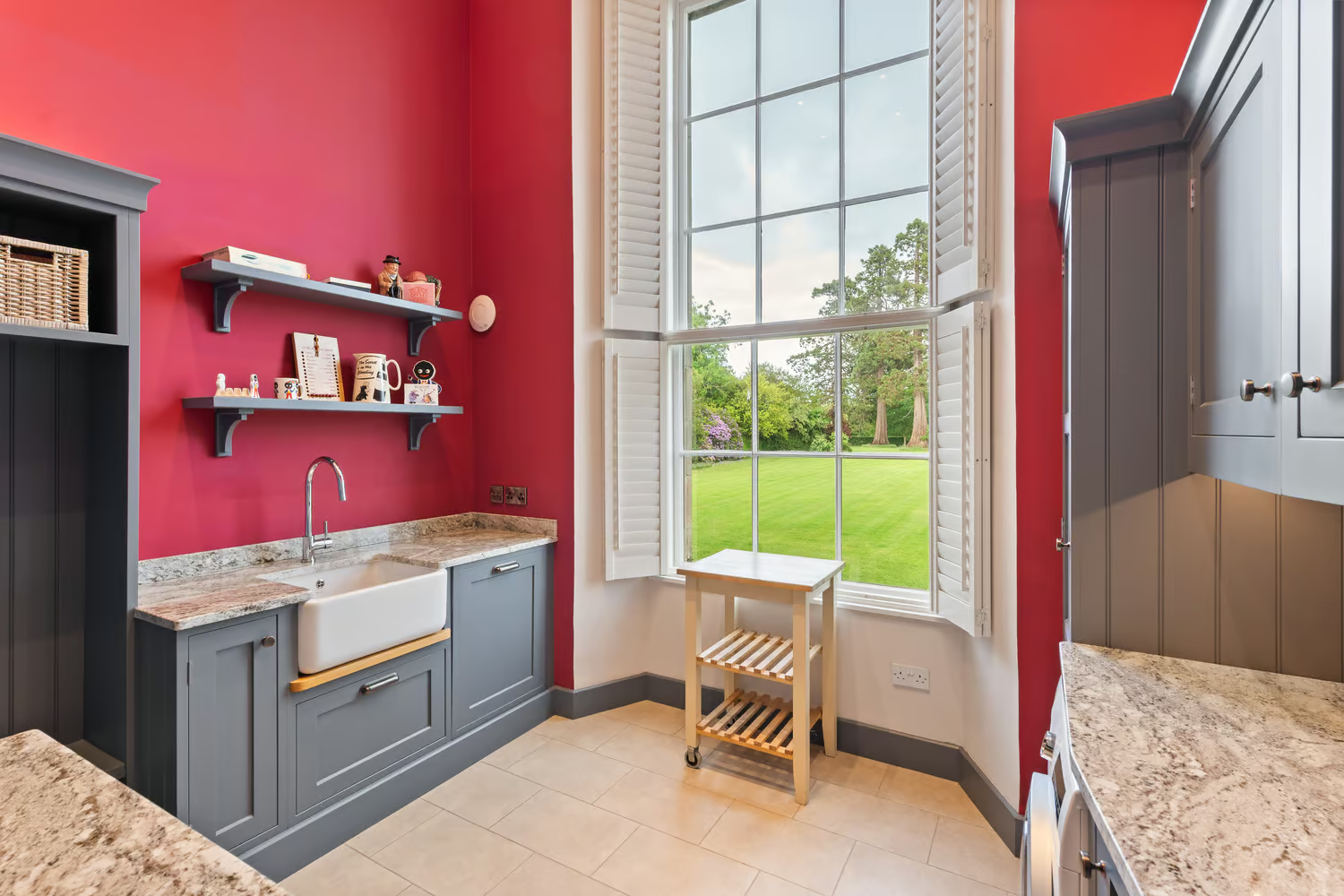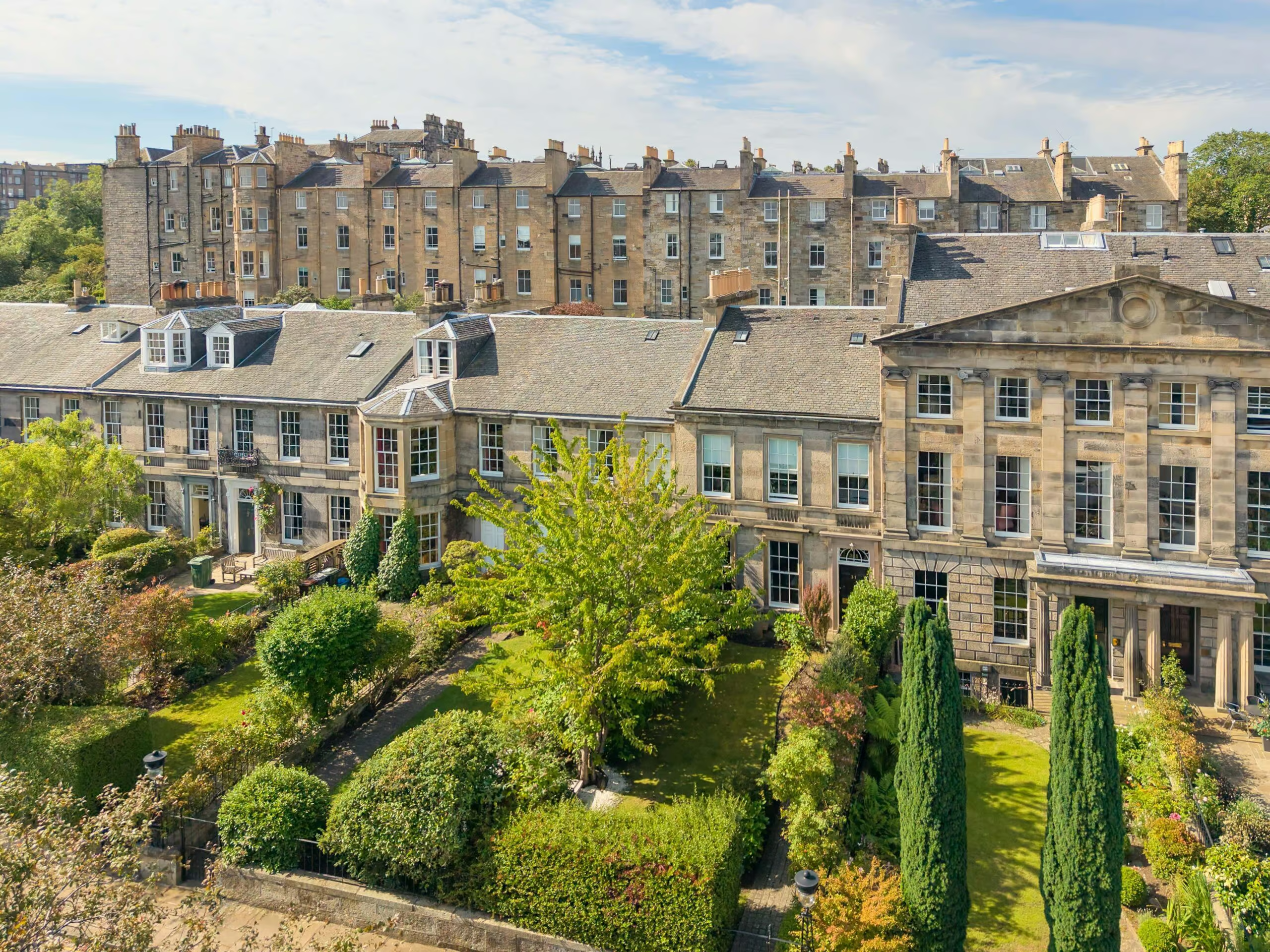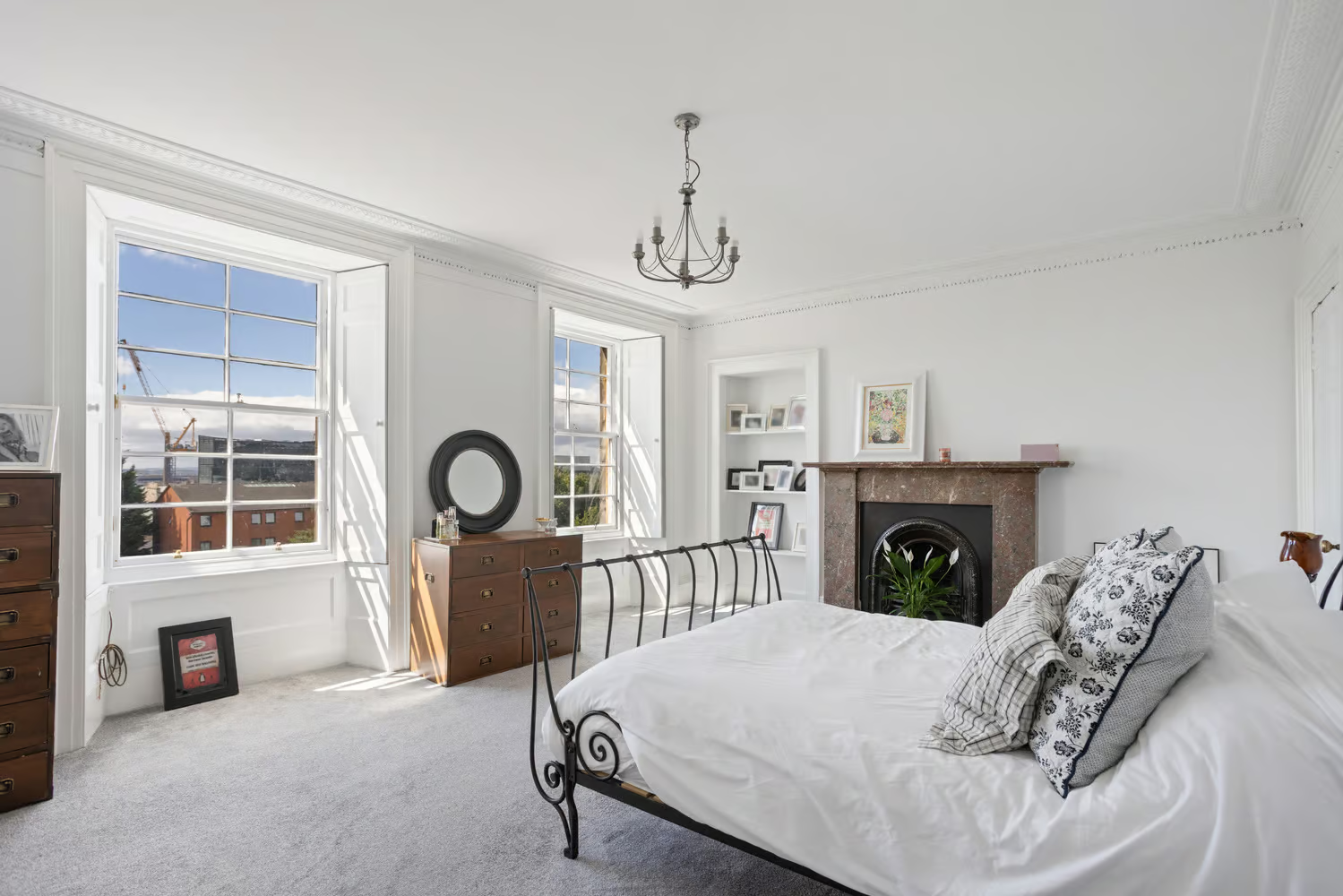
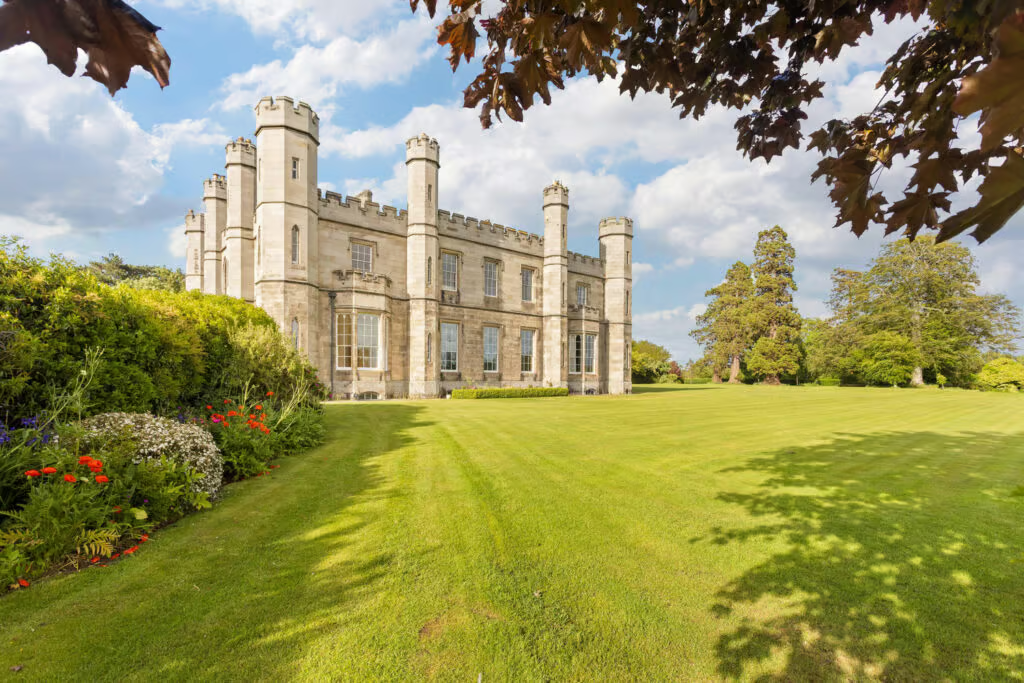
Buyers fall in love with Edinburgh’s period homes for their timeless architecture, elegant proportions and wealth of original features. From Georgian townhouses in the New Town to Victorian villas in Morningside and Edwardian family homes in the Grange, these properties continue to command strong demand.
However, alongside their undeniable charm comes a growing consideration for today’s buyers: energy efficiency.
With energy prices remaining significantly higher than pre-2022 levels, increasing environmental awareness and greater focus on Energy Performance Certificates (EPCs), buyers are looking more closely at the running costs of older homes. While character remains king, many purchasers now want reassurance that a period property can also offer comfort, efficiency and lower energy bills.
For sellers, it’s never been more important to understand how EPC ratings, sympathetic upgrades and conservation regulations influence buyer decisions.
Why Energy Efficiency Matters More Than Ever
Over the past few years, household energy costs have become a major concern for homeowners across the UK. Although prices have eased from their peak following the energy crisis, they remain considerably higher than historic averages.
At the same time, buyers are becoming increasingly conscious of sustainability and the long-term costs of heating larger homes.
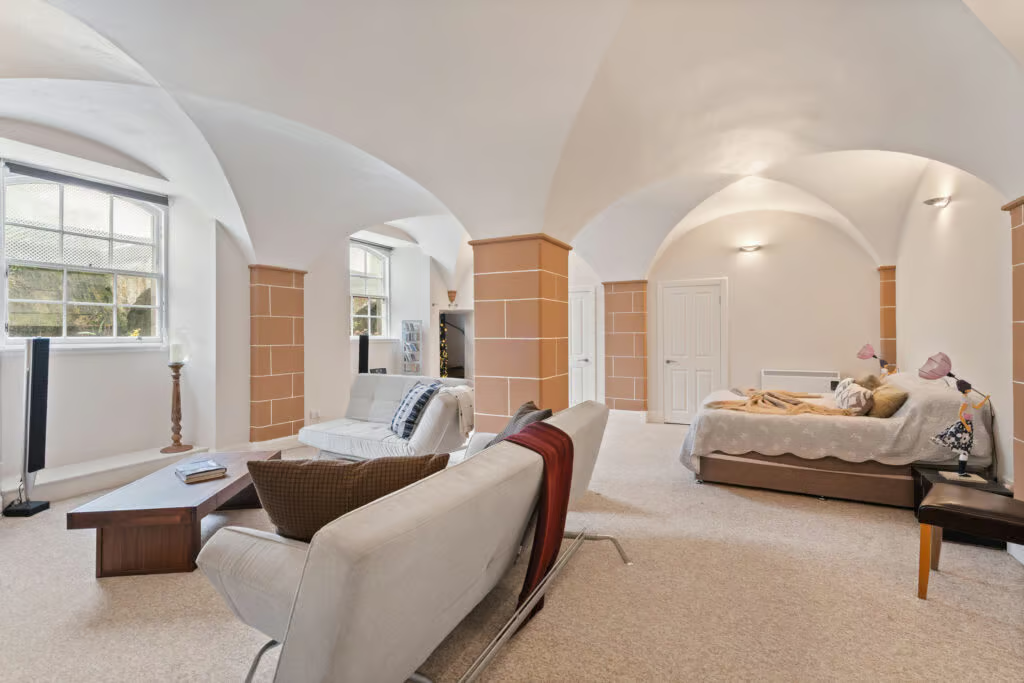
Period properties were built long before modern insulation standards existed. Solid stone walls, single-glazed sash-and-case windows, suspended timber floors and high ceilings all contribute to their character, but they can also make them more expensive to heat.
As a result, energy efficiency has moved much higher up buyers’ checklists. Many prospective purchasers now ask questions such as:
- What is the EPC rating of the property?
- Have the windows been upgraded?
- Is the property well insulated?
- How efficient is the heating system?
- What improvements could be made without affecting the home’s character?
These considerations don’t necessarily deter buyers, but they do influence purchasing decisions and perceived value.
Understanding EPC Ratings
An Energy Performance Certificate (EPC) provides an assessment of how energy efficient a property is, grading it from A (most efficient) to G (least efficient). Many period homes in Edinburgh achieve ratings between D and F, largely because they were constructed using traditional building methods rather than modern insulated cavity walls.
An EPC should be viewed as a starting point rather than a definitive measure of a home’s quality. Older buildings often behave differently from modern homes. Traditional stone construction allows moisture to move naturally through walls, and inappropriate insulation methods can sometimes cause more harm than good.
Buyers are becoming increasingly aware that EPC ratings do not always tell the full story. A well-maintained Georgian property with sympathetic energy improvements may perform significantly better in practice than its certificate alone suggests.
Insulation: Balancing Efficiency with Heritage
Improving insulation is one of the most effective ways to reduce heat loss, but it requires careful consideration in period homes.
Unlike modern cavity-wall properties, most Edinburgh period homes have solid stone walls. Adding conventional insulation incorrectly can trap moisture within the building fabric, potentially leading to damp and structural issues. Instead, specialists often recommend breathable insulation systems designed specifically for traditional buildings.
Other sympathetic improvements include:
- Loft insulation where accessible
- Draught-proofing around original doors and windows
- Insulating suspended timber floors
- Secondary glazing for listed properties
- Chimney balloon draught excluders for unused fireplaces
Many of these measures can significantly improve comfort without altering the property’s historic appearance. Importantly, buyers increasingly appreciate sellers who have invested in these kinds of thoughtful upgrades.
The Rise of Heat Pumps
One of the biggest conversations surrounding older homes today is the use of heat pumps. Air source heat pumps can help homeowners reduce carbon emissions and future-proof their properties. However, installing a heat pump in a period property isn’t always straightforward.
These systems work most efficiently in well-insulated homes operating at lower water temperatures than traditional gas boilers. Before installation, many older homes require improvements to insulation, radiators or underfloor heating to achieve optimum performance. There are also practical considerations in conservation areas, where external units may require careful positioning or planning approval.
For some period properties, a modern high-efficiency gas boiler may remain the most practical solution in the short to medium term, particularly where extensive alterations would compromise the building’s historic fabric. Rather than viewing heat pumps as a universal solution, buyers increasingly value homes where owners have taken a considered approach to improving overall efficiency.
Conservation Areas and Listed Buildings
One of Edinburgh’s greatest strengths is its remarkable architectural heritage.
Large parts of the city, including the New Town, Stockbridge, Marchmont and the Grange, fall within conservation areas. Many buildings are also listed.
These designations help preserve Edinburgh’s unique character, but they also introduce additional considerations when making energy improvements. Owners may need consent for works such as:
- Replacing original windows
- Altering external doors
- Installing solar panels
- Adding external wall insulation
- Positioning heat pump units
- Making visible changes to the roof
This doesn’t mean improvements aren’t possible.
In many cases, carefully designed upgrades can achieve meaningful energy savings while respecting the property’s architectural significance. Working with experienced conservation architects, surveyors and contractors is often the best way to strike the right balance.
Buyers Want Character – And Comfort
Today’s buyers are rarely looking for museum pieces.
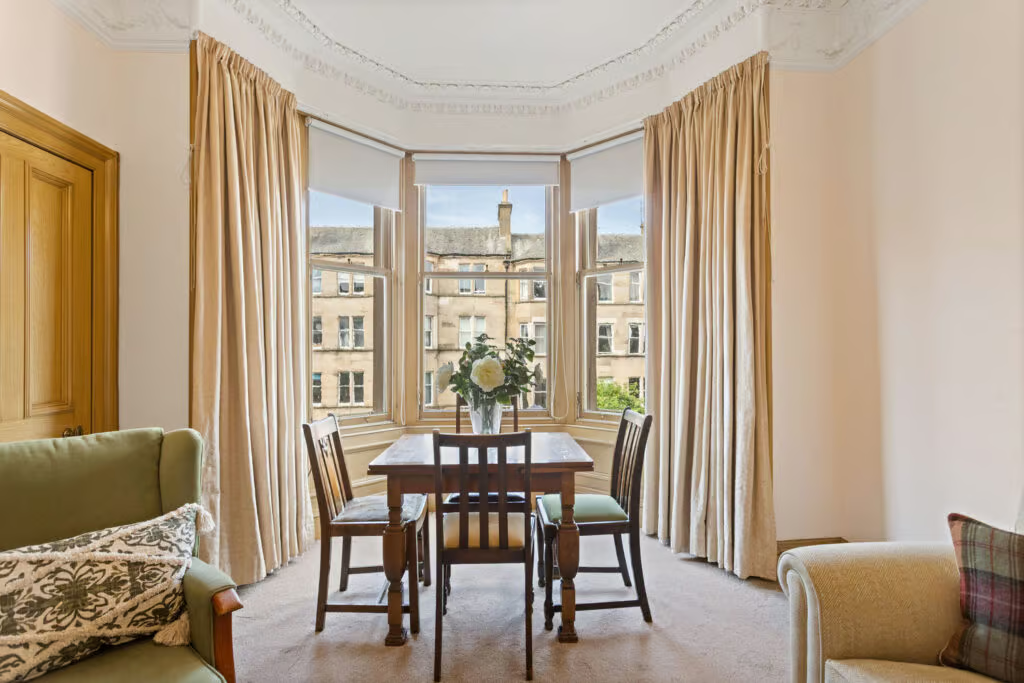
While original fireplaces, cornicing and sash windows remain hugely desirable, purchasers also expect homes to be warm, comfortable and practical to live in. The most sought-after period homes successfully combine historic charm with modern convenience.
Examples include:
- Restored timber sash windows with discreet double glazing or slimline glazing.
- Modern heating controls that improve efficiency without altering character.
- High-quality loft insulation hidden from view.
- Upgraded electrics and plumbing.
- Contemporary kitchens and bathrooms integrated sympathetically into the original layout.
This “best of both worlds” approach has become increasingly attractive in today’s market.
Future-Proofing Before Selling
If you’re considering selling a period property, there are several improvements that can make your home more appealing without compromising its heritage.
These include:
Addressing draughts: Simple measures such as sealing gaps around windows and doors can make an immediate difference to comfort.
Servicing the heating system: Buyers gain confidence from a well-maintained boiler or heating installation.
Improving loft insulation: Where appropriate, this remains one of the most cost-effective energy improvements.
Maintaining original windows: Repairing and draught-proofing traditional sash windows often provides excellent results while preserving authenticity.
Gathering documentation: If you’ve completed sympathetic upgrades, keep records of permissions, guarantees and professional installations. Buyers appreciate evidence that improvements have been carried out properly.
Not every seller needs to undertake major renovation works. In many cases, demonstrating that a property has been carefully maintained is enough to reassure prospective purchasers.
The Market Is Becoming More Nuanced
Energy efficiency is certainly influencing buyer decisions, but it hasn’t diminished the appeal of Edinburgh’s period homes.
Instead, buyers are becoming more discerning. They recognise that owning a Georgian or Victorian property comes with different considerations than purchasing a new-build home. Many are willing to accept a slightly lower EPC rating if the property offers exceptional character, a prime location and evidence that sensible efficiency improvements have already been made.
For sellers, this presents an opportunity. Rather than viewing a lower EPC rating as a disadvantage, it’s worth highlighting the improvements already undertaken and explaining how the home balances heritage with modern living.
Looking Ahead
Edinburgh’s period homes have stood for centuries, adapting to changing lifestyles while retaining the architectural qualities that make them so desirable. Today’s focus on energy efficiency is simply the latest chapter in that evolution.
As technology improves and guidance for retrofitting traditional buildings continues to develop, owners will have even more opportunities to enhance comfort and reduce running costs without sacrificing character.
For buyers, the ideal period home is increasingly one that combines original craftsmanship with thoughtful modern upgrades. For sellers, investing in sympathetic energy improvements can widen the pool of interested buyers and strengthen confidence during the sales process.
Ultimately, the future of Edinburgh’s historic homes isn’t about choosing between heritage and efficiency. It’s about finding the right balance. The properties that achieve this balance will continue to stand out in the market, offering buyers the charm of the past alongside the practicality and sustainability expected in the years ahead.
Would you like to know more about the potential of your period home? Contact me, Fiona Vernon by emailing [email protected] or phoning me on 07900 605674 now.