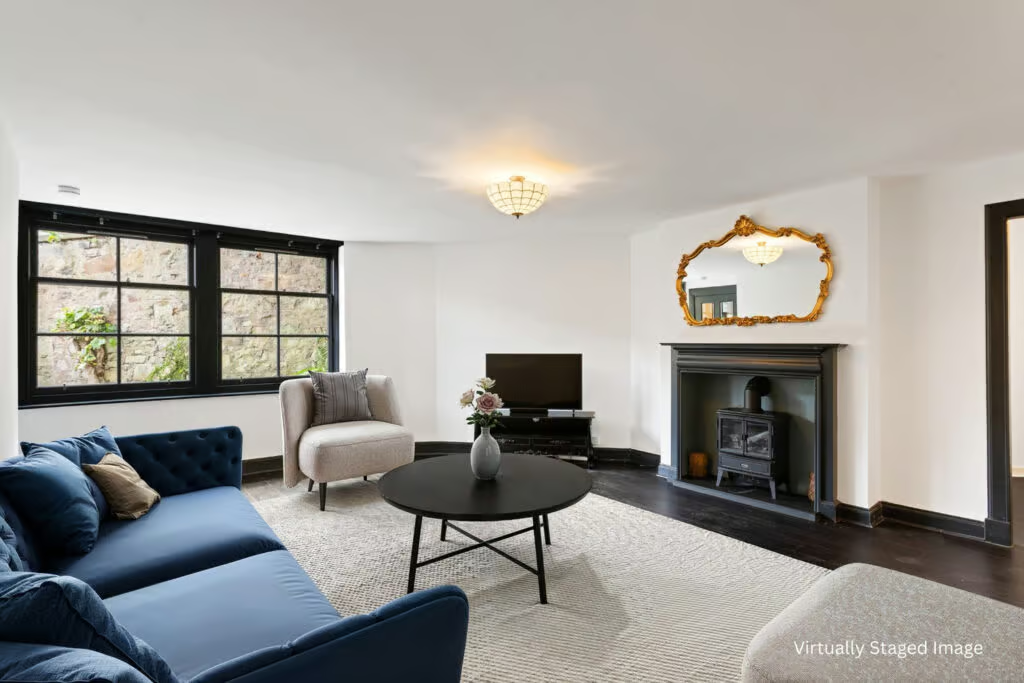
For generations, buying a home in Edinburgh has often been about moving up the property ladder. A first flat in Marchmont or Bruntsfield might eventually lead to a larger Victorian tenement in Morningside, before perhaps making way for a Georgian townhouse in the New Town or a family home in Trinity.
But as property prices, transaction costs and economic uncertainty continue to influence buyer decisions, that traditional journey is evolving. Increasingly, buyers are looking beyond their immediate needs and considering whether the property they purchase today could remain their home for the next ten, 15 or even 20 years.
The idea of the ‘forever home’ is making a comeback, and Edinburgh’s distinctive period property market is particularly well suited to this shift in thinking.
The cost of moving is making buyers think twice
Moving home has never been an inexpensive exercise, but the financial considerations can be particularly significant in Edinburgh.
In addition to solicitor fees, estate agency costs, removals and potential mortgage arrangement fees, buyers in Scotland must also factor in Land and Buildings Transaction Tax (LBTT), including the Additional Dwelling Supplement where applicable. For those purchasing at the higher end of the market, these costs can make moving a considerable financial undertaking.
There is also the question of what happens when a homeowner wants to trade up. Selling a much-loved period property and purchasing another can mean taking on a larger mortgage, facing additional transaction costs and potentially undertaking another round of renovations.
For buyers who have already invested in restoring original features, upgrading kitchens and bathrooms or improving energy efficiency, the prospect of starting again elsewhere may be less appealing. Consequently, some are choosing to put greater emphasis on getting the property right from the outset.
Edinburgh’s period homes offer something to grow into
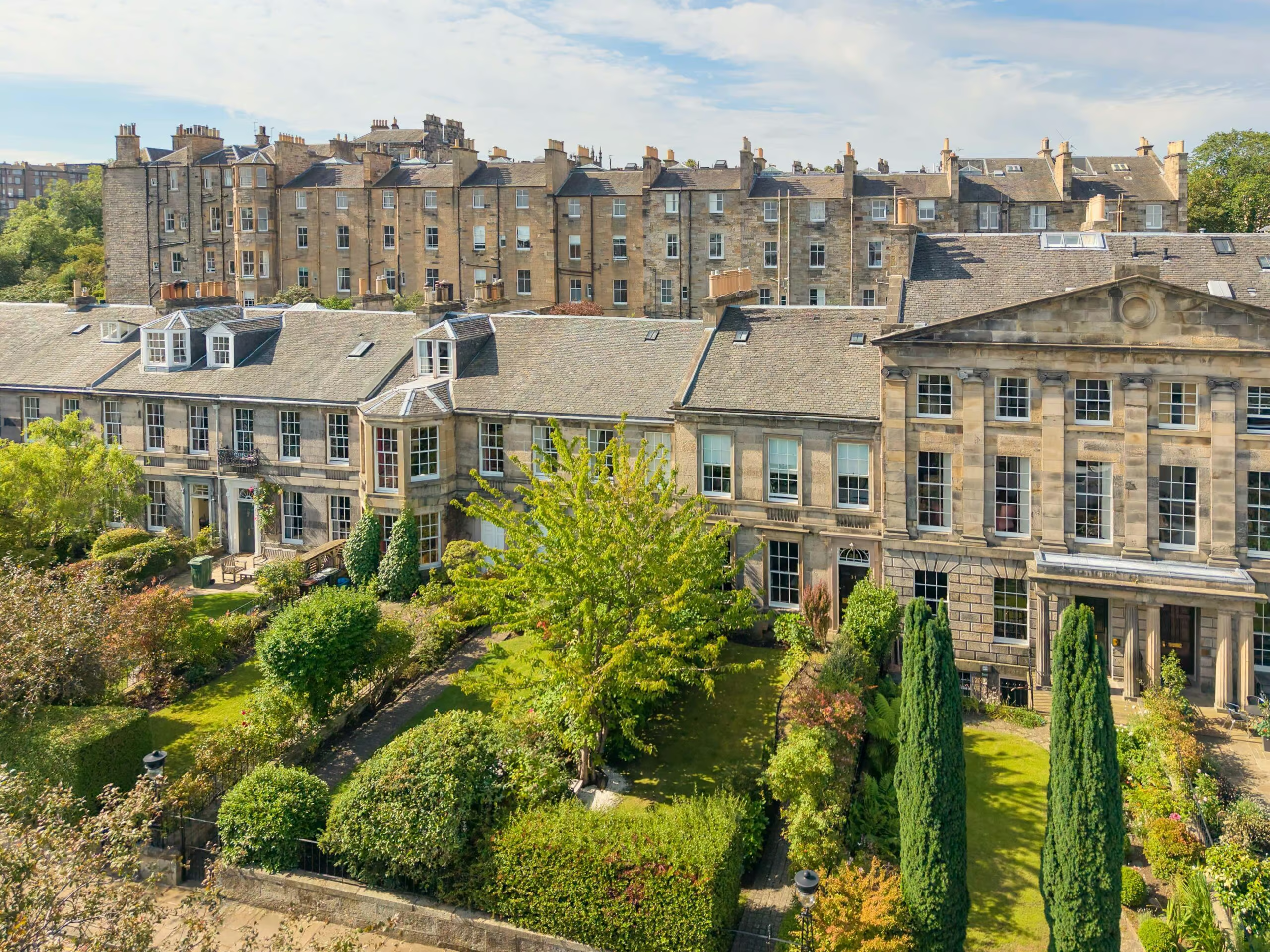
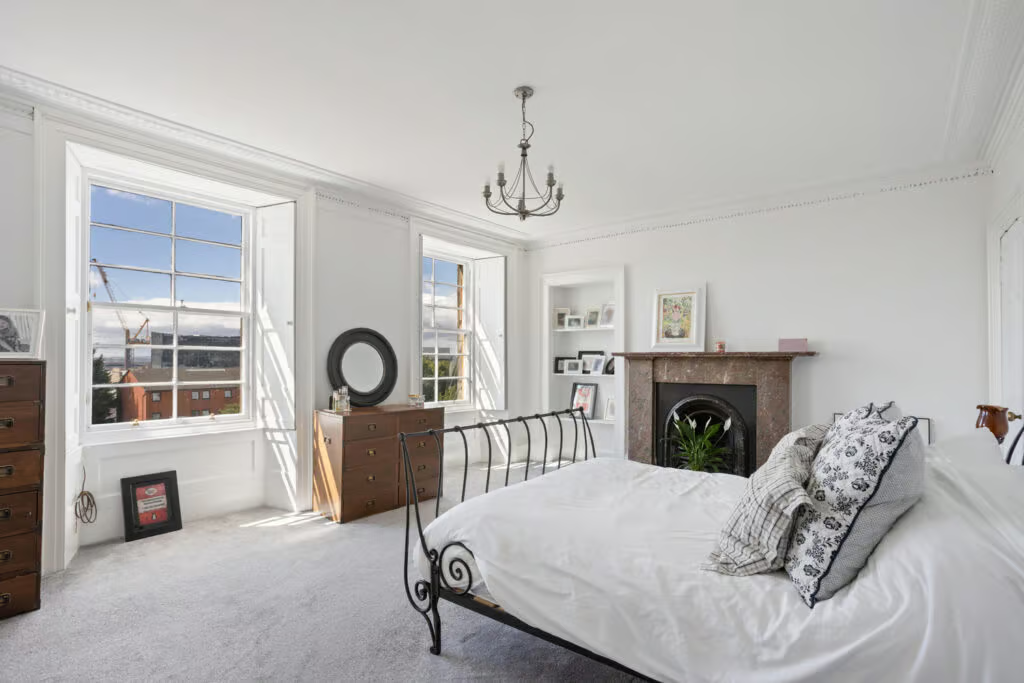
One of the defining attractions of Edinburgh’s property market is its extraordinary architectural heritage. From the elegant Georgian proportions of the New Town to the Victorian tenements of Stockbridge, Marchmont and Bruntsfield, period properties offer a character and sense of permanence that many buyers find difficult to replicate in modern developments.
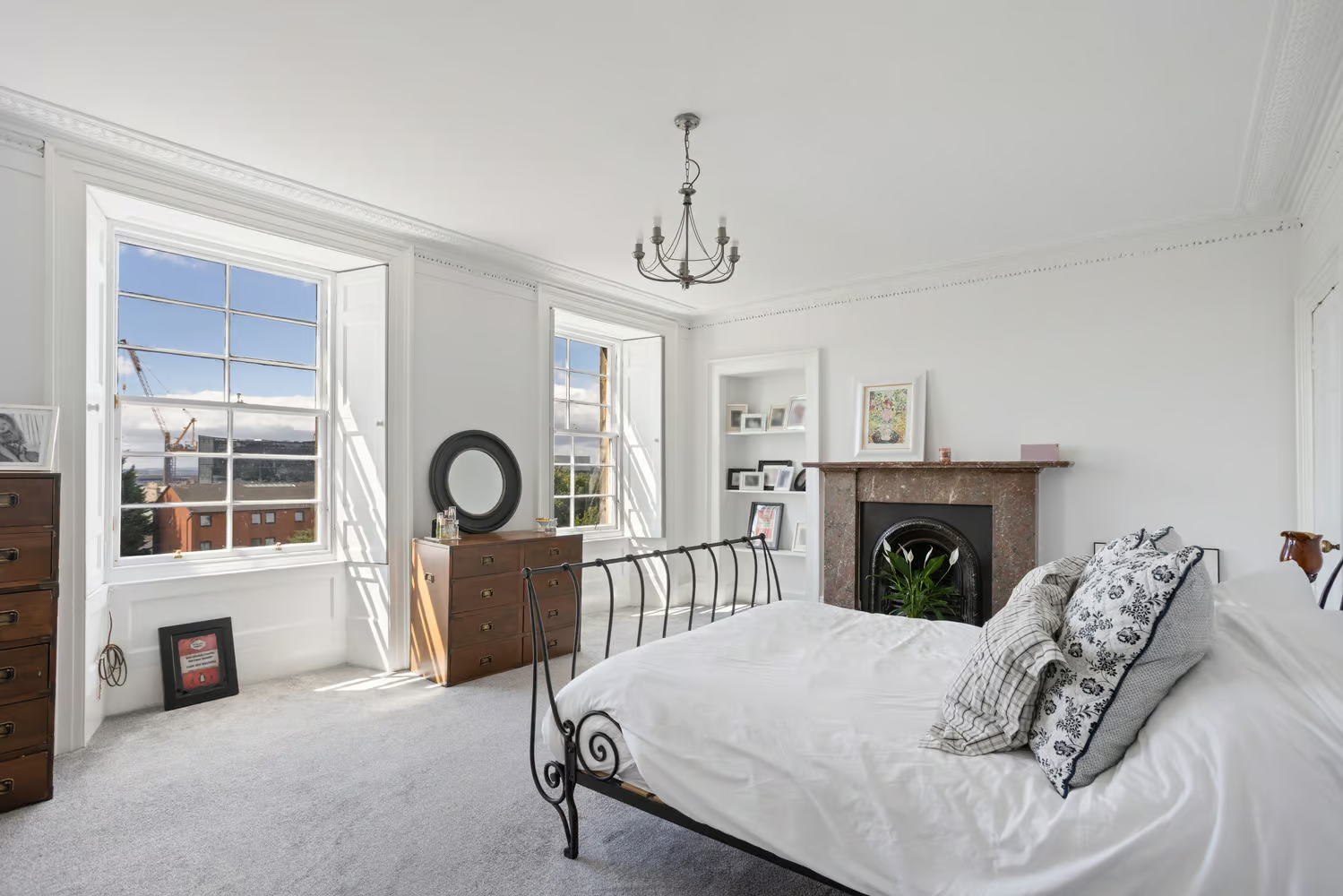
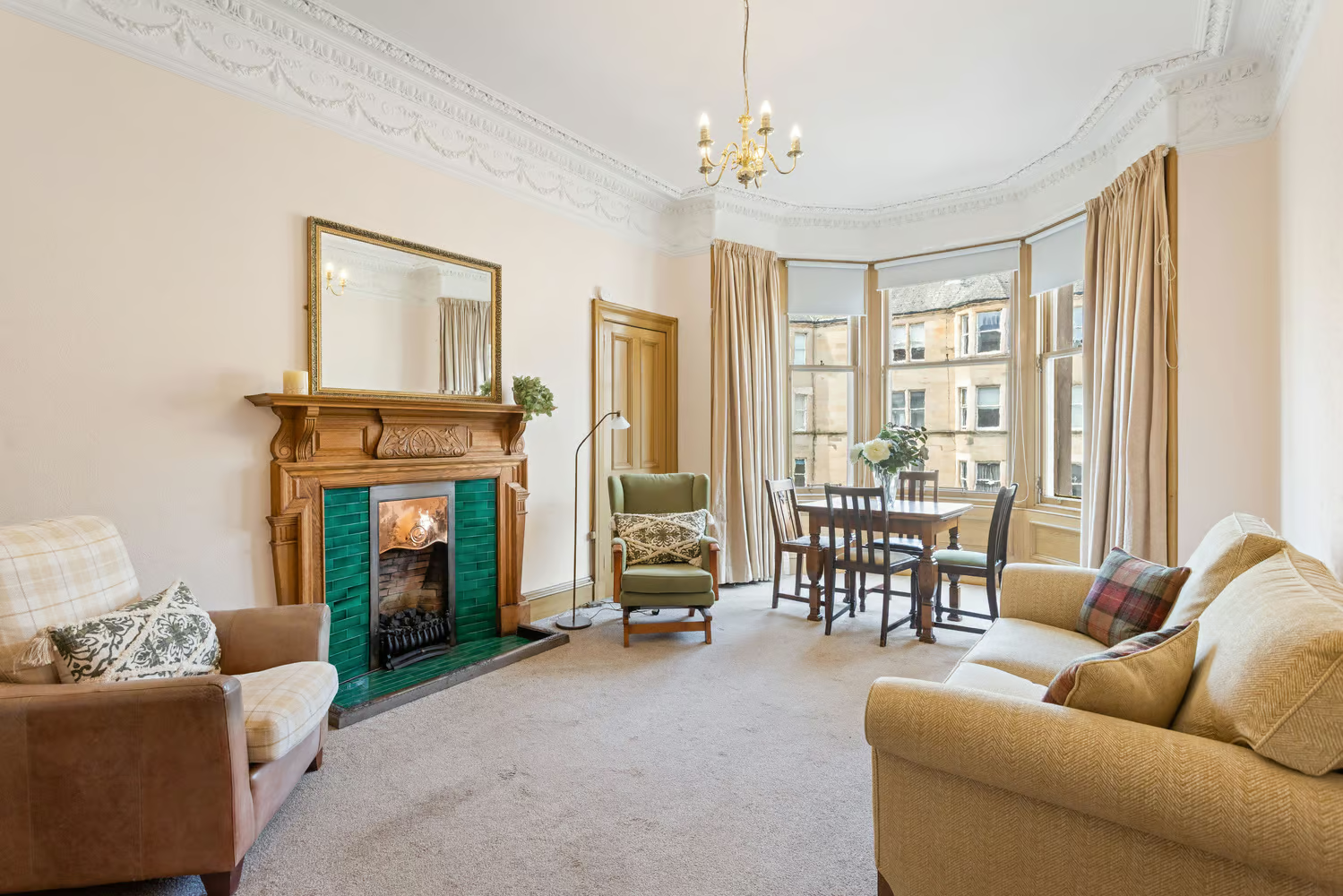
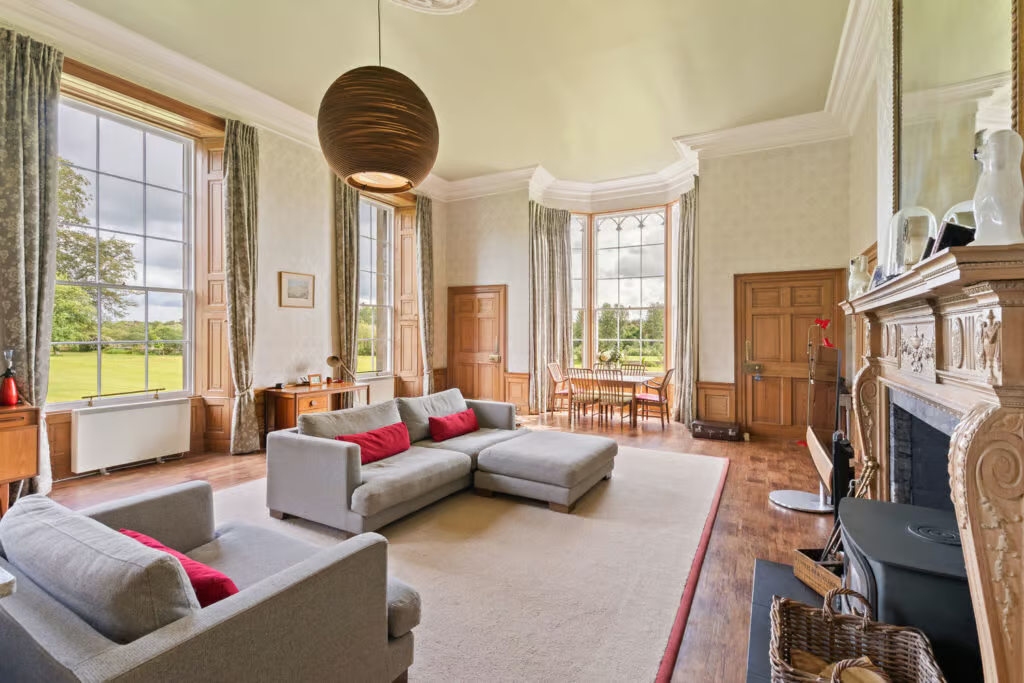
High ceilings, sash-and-case windows, ornate cornicing, original fireplaces, deep skirting boards and generous room proportions all contribute to their enduring appeal. Importantly, many of these properties also offer flexibility. A substantial drawing room can double as a home-working space, an additional bedroom can accommodate a growing family, and a dining kitchen can become the centre of family life.
For buyers thinking ten or 20 years ahead, these qualities can be particularly attractive. Rather than purchasing a property that meets their needs for the next few years, they can look for one with the space and layout to accommodate changing circumstances.
Buying for the next chapter, not just the next few years
The return of the forever home is also changing what buyers prioritise when viewing Edinburgh properties.
A young professional couple might initially be attracted to a traditional two-bedroom tenement in Stockbridge or Bruntsfield. However, if they are thinking long term, they may be more interested in a three-bedroom property with an additional box room, a separate dining room or access to a communal garden.
Similarly, families may be looking beyond immediate requirements, considering proximity to schools, green spaces, local amenities and transport links.
Areas such as Morningside, Merchiston, Trinity and Inverleith have long attracted buyers looking for a combination of attractive architecture, established communities and convenient access to everyday amenities. The underlying consideration is simple: will the property and its location continue to work as household circumstances change?
The importance of buying the right period property
Choosing a home to keep for many years also means looking beyond its decorative appeal.
With Edinburgh’s older housing stock, buyers need to consider the condition of the building as well as the individual flat or house. Common repairs, roof condition, stonework, communal stair maintenance and the state of traditional windows can all have a bearing on future ownership costs.
Energy efficiency is another important consideration. Many period properties were built long before modern insulation standards, so buyers should look carefully at heating systems, glazing, insulation and potential improvement costs.
In listed buildings and conservation areas, there may also be restrictions on certain alterations, making it important to understand what changes are possible before committing to a purchase.
For someone intending to stay for two decades, a property with sound fundamentals and manageable maintenance requirements may be more appealing than one that simply looks impressive at first viewing.
Character, community and the appeal of staying put
There is another reason why Edinburgh’s period properties lend themselves to the forever-home concept: their relationship with the surrounding neighbourhood.
Part of the appeal of living in areas such as Stockbridge, the New Town or Marchmont is the established sense of community. Independent shops, cafés, restaurants, parks and local amenities create neighbourhoods that people often develop a strong attachment to.
Moving can mean leaving behind familiar surroundings, neighbours and established routines. For families, it may also mean changing schools or disrupting children’s friendships. As a result, buyers may increasingly value the opportunity to put down roots in an area they genuinely love, rather than viewing their current property as a temporary stepping stone.
There is also the satisfaction of gradually improving a period home, restoring original details and adapting rooms to suit changing needs. Over time, the property becomes more than an investment; it becomes part of the family’s story.
Is the traditional property ladder changing?
This doesn’t mean Edinburgh buyers are abandoning the idea of moving altogether. Life circumstances will always change, and there will remain a market for smaller first homes, larger family properties and downsizing opportunities. However, the assumption that homeowners should automatically trade up every five or seven years may be becoming less relevant.
Instead, buyers appear increasingly conscious of the value of making a considered purchase. A property that costs slightly more initially but offers the right layout, location and long-term potential may prove more suitable than a cheaper home that needs to be replaced within a few years.
For Edinburgh’s period property market, this could reinforce demand for well-maintained homes with flexible accommodation, attractive original features and desirable locations.
Finding a home for the long term
Ultimately, the return of the forever home is about a change in priorities. Higher moving costs and economic uncertainty are encouraging buyers to think more carefully about where they want to live and what they need from a property over the longer term.
In Edinburgh, where Georgian and Victorian homes offer a distinctive combination of character, generous proportions and established neighbourhoods, the appeal of buying once and staying put is easy to understand.
The question for today’s buyer is no longer simply whether a property is right for them now. It is whether they can imagine themselves still living there in ten or 20 years’ time.
And perhaps that is the real appeal of an Edinburgh period home: not just buying a beautiful property, but finding somewhere with the character, space and flexibility to become a home for life.
Contact us
To learn more about attracting the right buyer for your period home or for help finding that perfect next home, contact me, Fiona Vernon by emailing [email protected] or phoning me on 07900 605674 now.