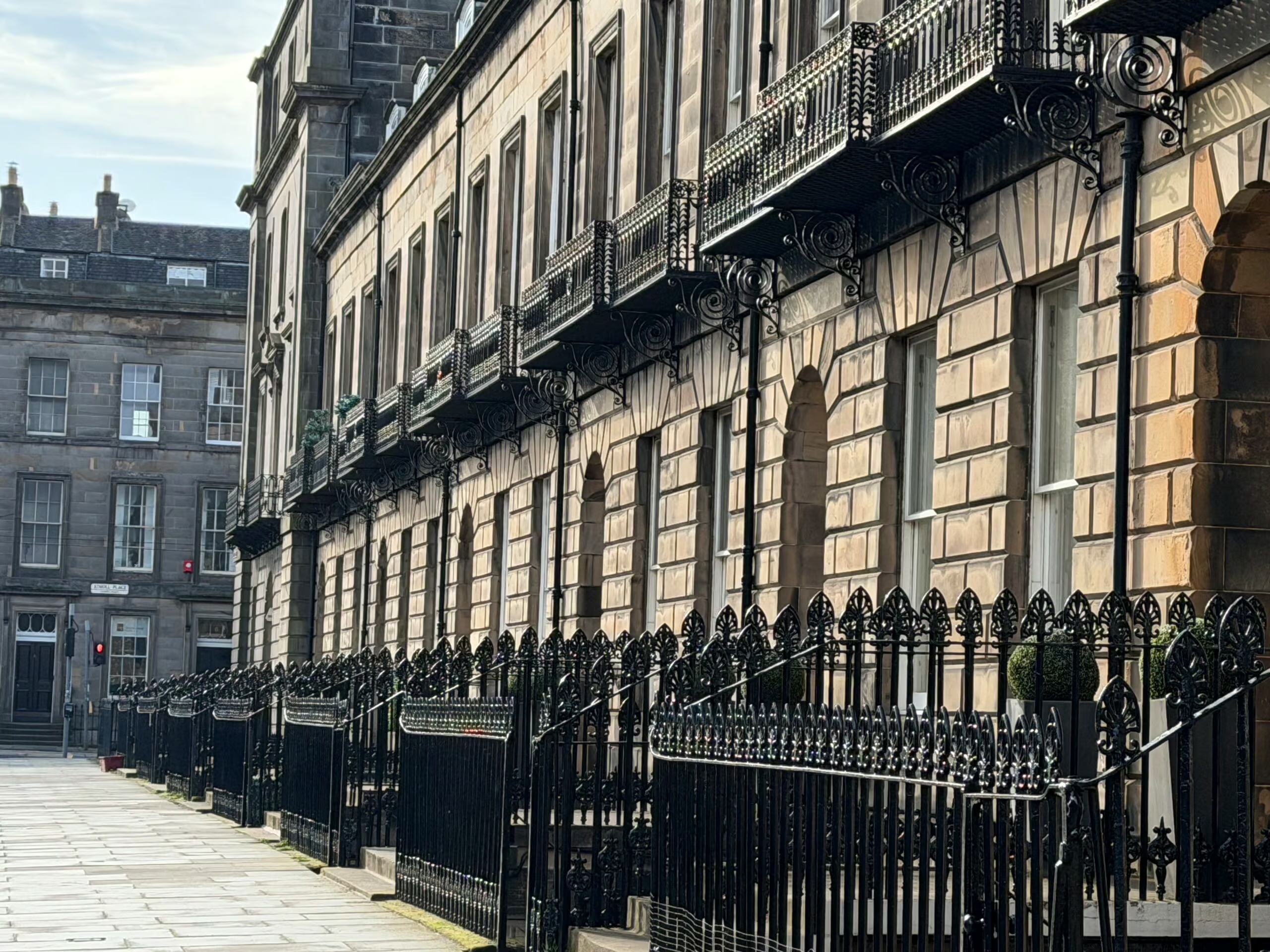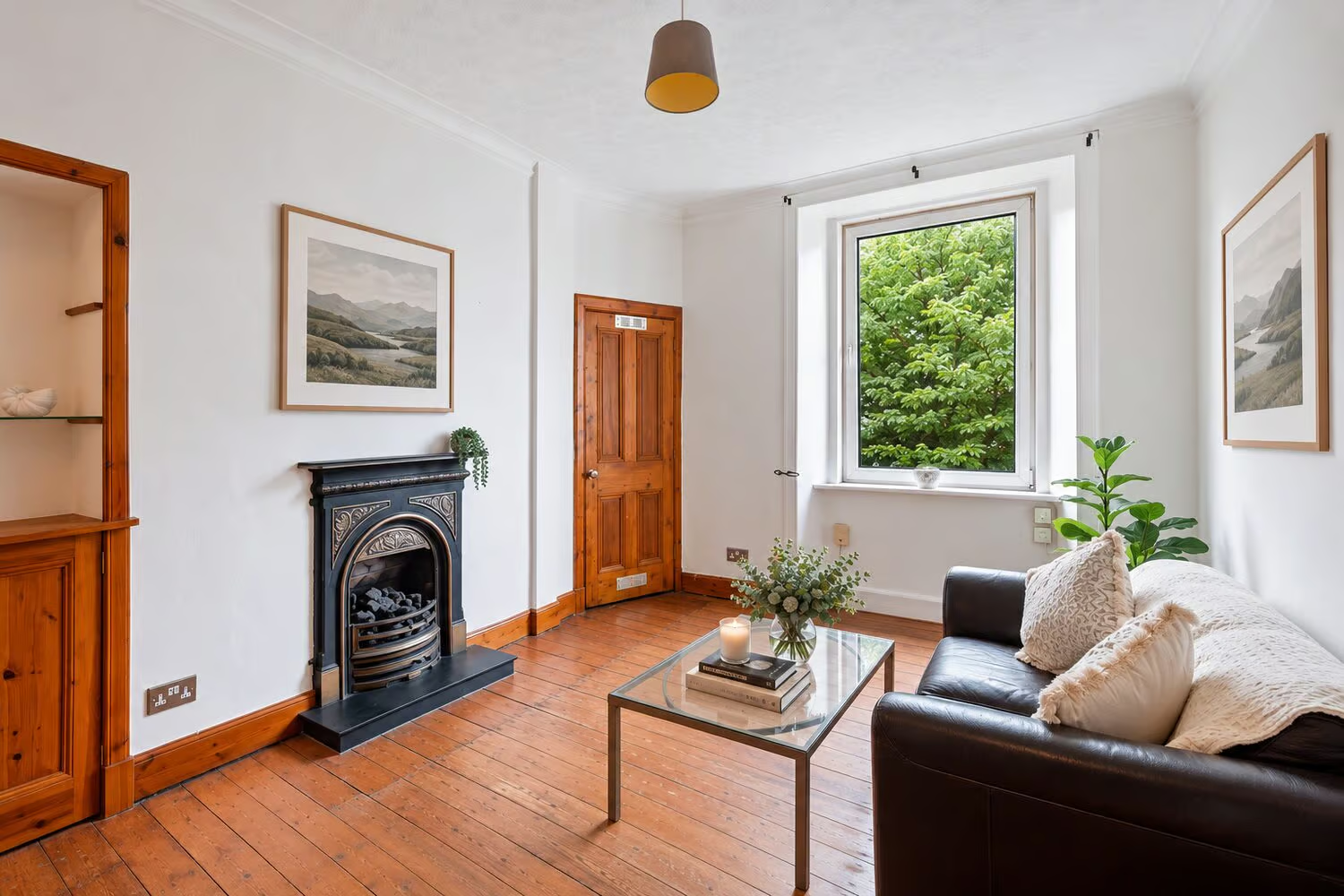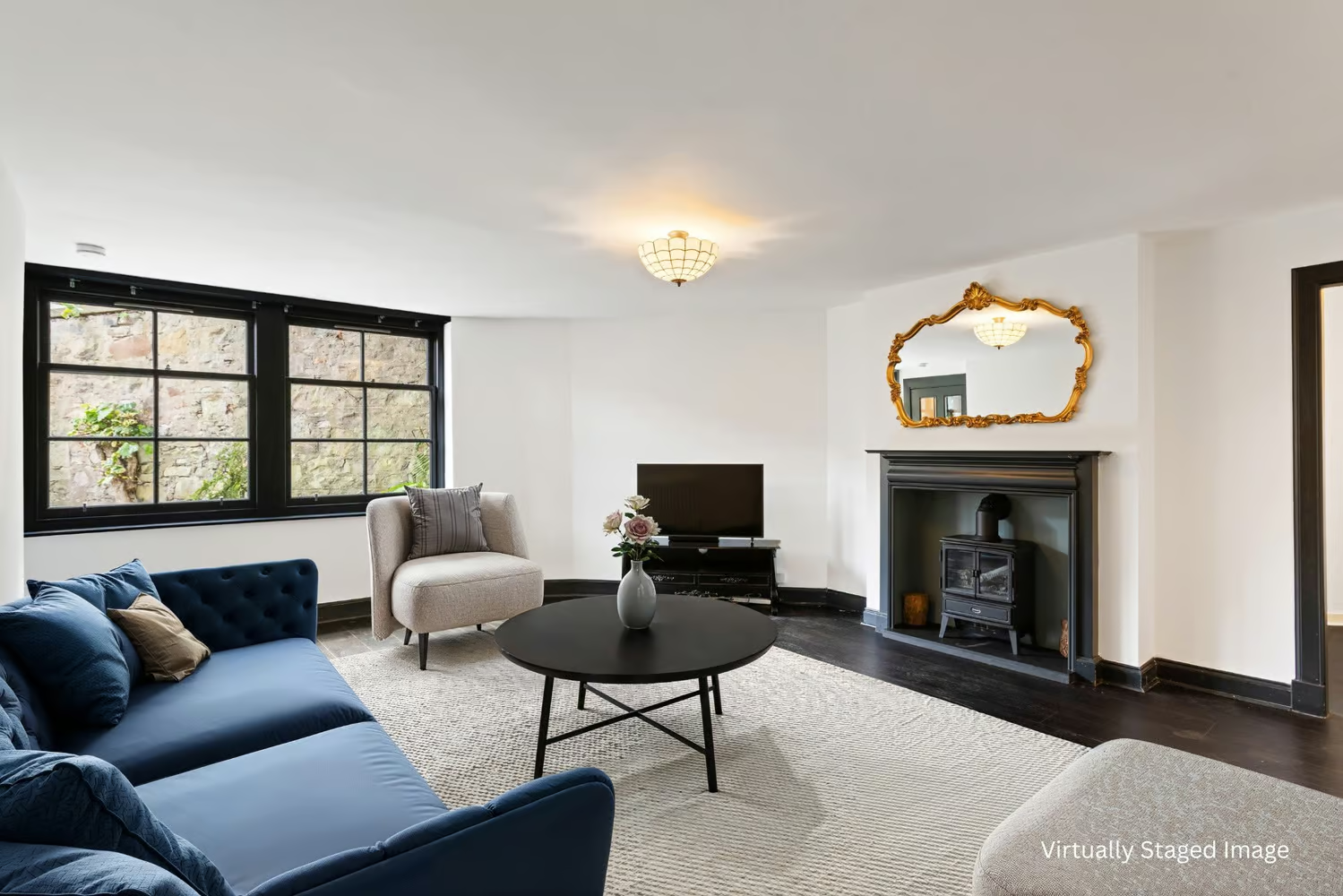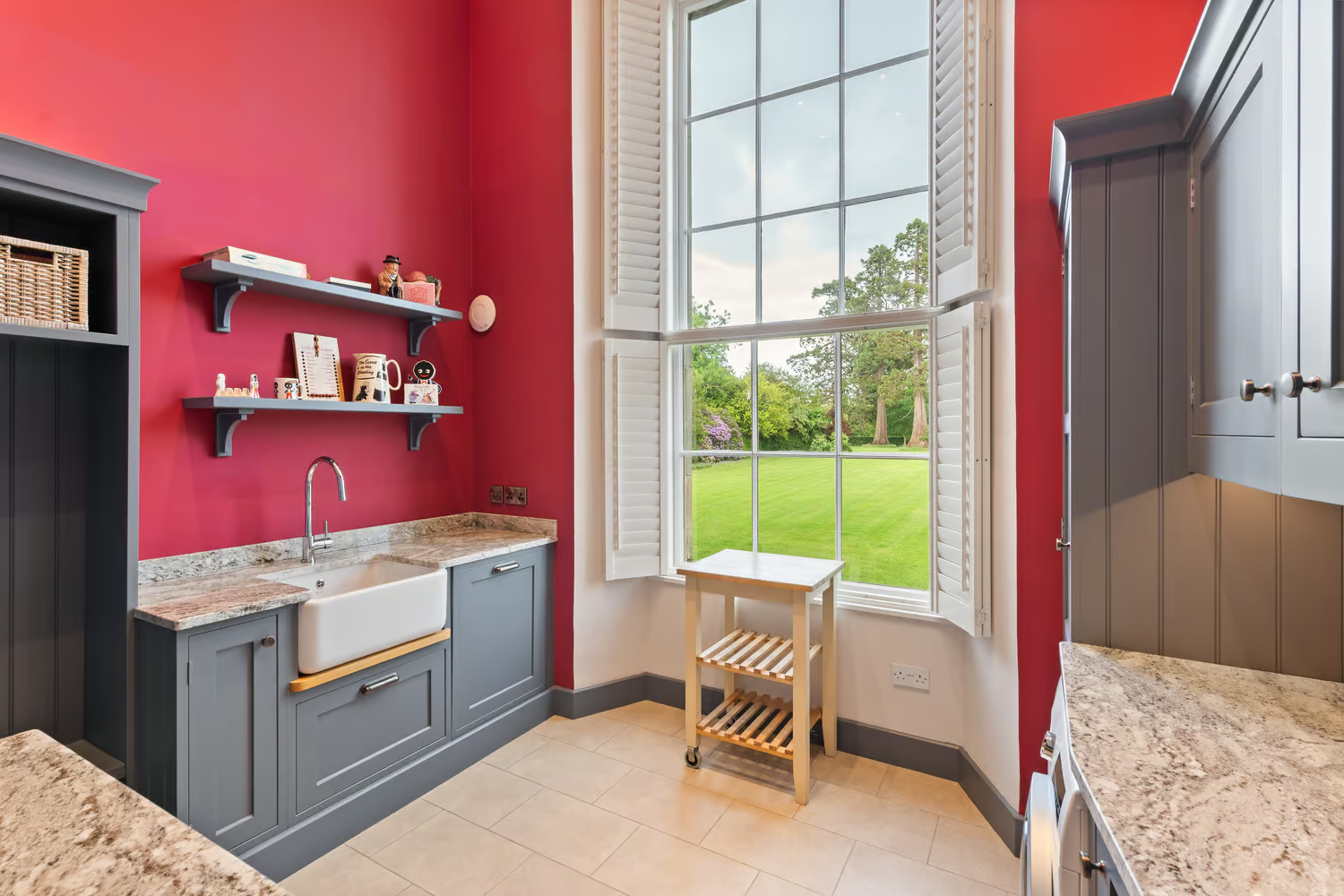
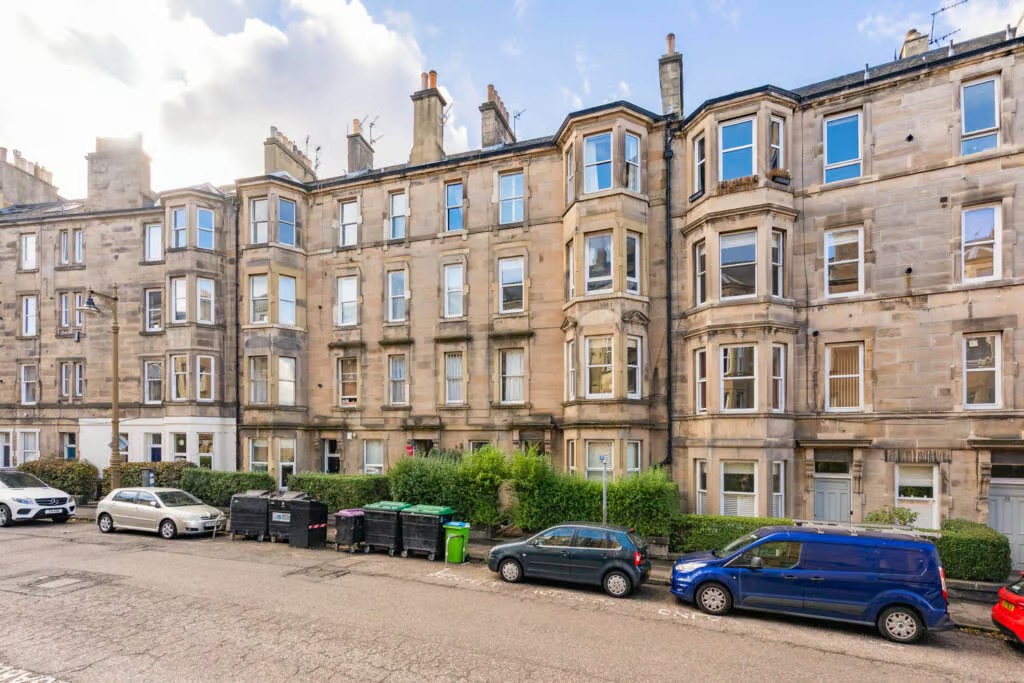
Edinburgh’s period properties are among the city’s most distinctive architectural assets. From traditional Georgian townhouses in the New Town to Victorian tenements and historic stone-built homes across the city, these buildings offer character, craftsmanship and a sense of history that modern properties can rarely replicate. However, as the climate changes, owning and maintaining an older property brings new considerations.
Increasing rainfall, changing weather patterns, more frequent periods of extreme weather and growing pressure to improve energy efficiency all present challenges for historic buildings. For owners, the question is no longer simply how to preserve a property’s appearance, but how to ensure it remains comfortable, healthy and resilient for the future without compromising the features that make it special.
Here is a closer look at the most important factors.
Understanding How Traditional Stone Buildings Work
Edinburgh’s historic properties were generally constructed using traditional materials and techniques, with sandstone, lime mortar, timber and natural finishes playing an important role. Unlike many modern buildings, which rely on impermeable materials and sealed construction, traditional buildings are designed to manage moisture through a combination of absorption, evaporation and ventilation.
Stone walls can absorb moisture and release it as conditions change. Lime mortar and lime-based plaster allow water vapour to move through the building, helping the structure regulate moisture naturally.
Problems can arise when modern materials are introduced without considering these characteristics. Cement-based pointing, impermeable coatings and inappropriate wall treatments can restrict evaporation, potentially trapping moisture within the masonry.
As rainfall patterns change, understanding how these buildings respond to water becomes increasingly important. Regular inspections of external stonework, mortar joints, roofs and rainwater goods can help identify problems before they develop into costly repairs.
Damp and Moisture: A Growing Consideration
Damp is one of the most common concerns associated with older Edinburgh properties. While traditional buildings are not inherently damp, their age, exposure and maintenance requirements mean moisture needs to be managed carefully.
Heavier rainfall and prolonged wet weather can put additional pressure on roofs, gutters, downpipes and external masonry. Small defects that may previously have caused limited problems can become more significant when exposed to repeated periods of heavy rain. Buyers and sellers should look out for water staining, damaged plaster, mould growth, peeling paint and persistent musty smells. These symptoms can indicate a range of issues, including penetrating damp, condensation or plumbing leaks.
It is important to establish the underlying cause before undertaking remedial work. Applying waterproof coatings or installing chemical damp-proof treatments without a proper diagnosis can sometimes make matters worse. A considered maintenance strategy should prioritise keeping water out of the building while allowing existing moisture to escape.
This means maintaining gutters and downpipes, repairing damaged pointing and ensuring external finishes remain appropriate for the original construction.
Ventilation and Indoor Air Quality
Ventilation is another important consideration, particularly as homeowners look to improve energy efficiency by reducing draughts and heat loss.
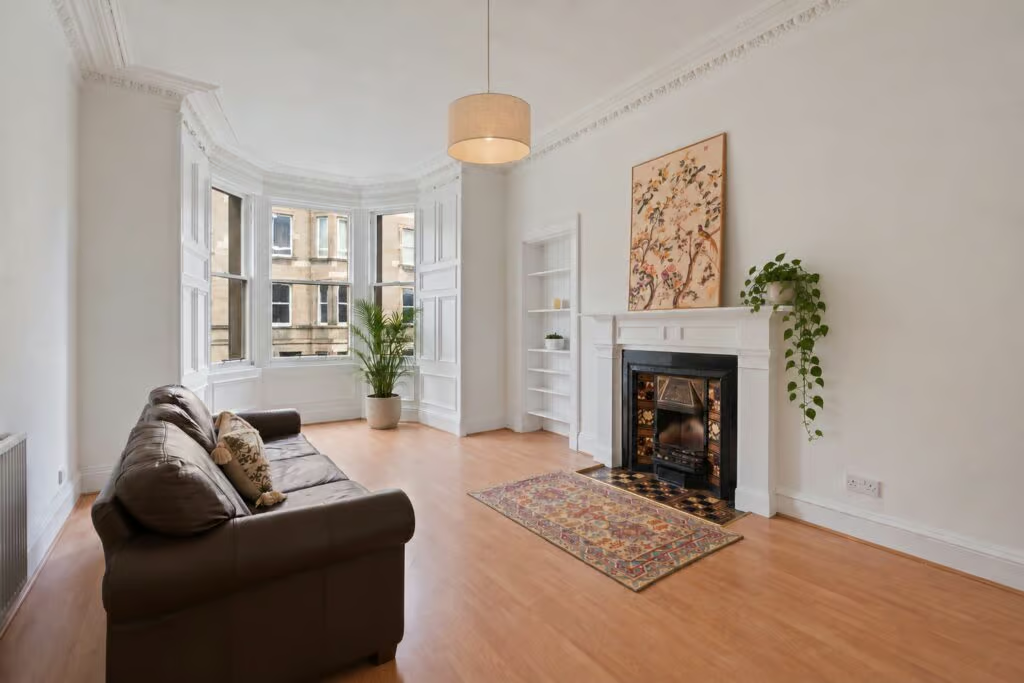
Edinburgh’s traditional properties often rely on a combination of natural ventilation, chimneys, fireplaces, window openings and air movement through the building. Although these features may contribute to heat loss, they also help manage indoor humidity.
If a property is made significantly more airtight without introducing suitable ventilation, moisture from everyday activities such as cooking, showering and drying clothes can become trapped. This increases the risk of condensation, mould and poor indoor air quality. The challenge is to improve comfort without removing the ventilation that traditional buildings depend upon.
Simple measures, including maintaining functioning extractor fans, ensuring adequate background ventilation and avoiding blocked air vents, can make a meaningful difference. If you’re planning more substantial improvements, ventilation should form part of the overall design rather than being treated as an afterthought.
Flooding and Changing Weather Patterns
Although Edinburgh is not traditionally associated with widespread flooding, certain areas and properties can still be vulnerable to surface water flooding, overwhelmed drainage systems and water ingress during intense rainfall. Basements, lower ground-floor flats and properties close to rivers or areas with limited drainage capacity may require particular attention.
Climate change is increasing the importance of understanding local flood exposure and how individual properties respond to heavy rainfall. Owners should consider whether external ground levels, drainage systems and basement arrangements could allow water to enter the building.
Preventative measures might include maintaining drains, checking external gullies, reviewing basement waterproofing where appropriate and ensuring rainwater is directed safely away from the property. It is also worth considering the condition of boundary walls, external steps and retaining structures, particularly where prolonged wet weather could affect their stability.
Understanding a property’s specific exposure is essential. Not every historic building faces the same risks, and improvements should be proportionate to its location, construction and condition.
Insulation Without Compromising Character
Improving energy efficiency is an important consideration for period property owners. Older buildings can be expensive to heat, particularly where original windows, solid walls and traditional construction contribute to heat loss. However, upgrading insulation in a historic property requires careful planning. Standard modern solutions are not always suitable, particularly where they interfere with the movement of moisture through traditional materials.
Internal wall insulation, for example, can improve thermal performance but may also change the temperature and moisture behaviour of external masonry. If poorly designed or installed, it can increase the risk of condensation and deterioration within the wall structure.
External wall insulation is often unsuitable for prominent historic facades because it can alter architectural details, stonework and the overall appearance of a building.
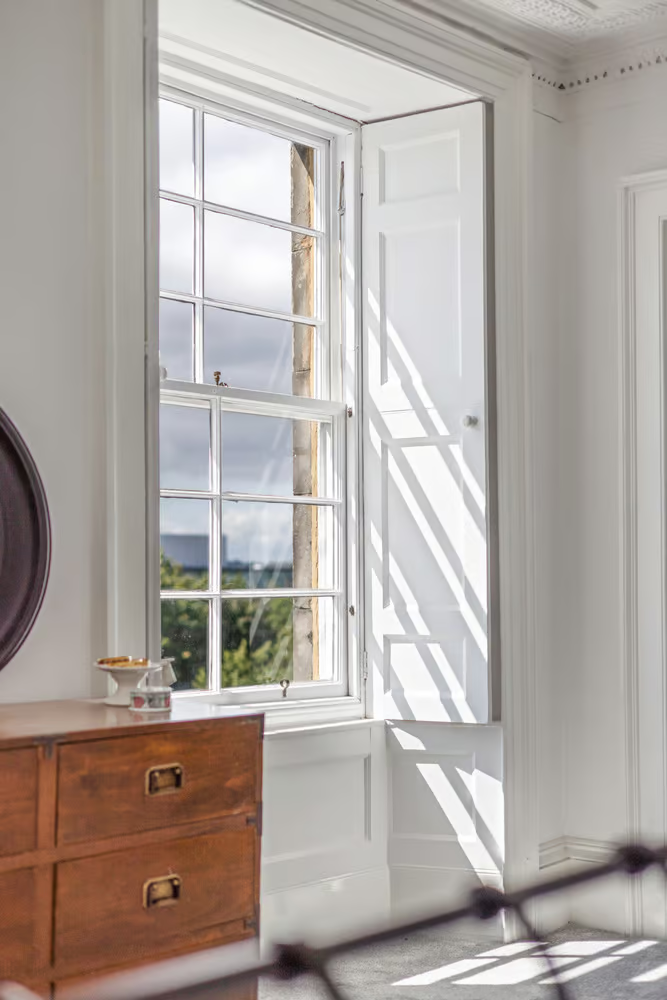
A more sympathetic approach may involve improving loft insulation, insulating floors where appropriate, draught-proofing carefully and upgrading heating controls. Secondary glazing can also provide an effective way to improve comfort while retaining original sash windows.
Where wall insulation is being considered, specialist advice is essential. Materials should be selected with the building’s construction, exposure and moisture characteristics in mind.
Protecting Historic Features During Improvements
Edinburgh’s period homes are valued for their architectural character, from decorative cornicing and timber shutters to original sash windows, stone staircases and traditional fireplaces.
Climate adaptation should not come at the expense of these features. Poorly planned renovations can remove or damage original materials that are difficult, and sometimes impossible, to replace.
Owners of listed buildings and properties within conservation areas may also face additional planning and consent requirements when making alterations. This makes early advice particularly important.
Where possible, repair should be prioritised over replacement. Original timber windows, for example, can often be restored and improved rather than removed entirely. Traditional lime mortar can be used to repair masonry, while appropriate insulation materials can improve comfort without unnecessarily altering the building’s appearance.
The objective should be to make properties more resilient while retaining the architectural qualities that contribute to Edinburgh’s distinctive built environment.
Maintenance and Long-Term Planning
One of the most effective ways to prepare a period property for changing weather conditions is to adopt a proactive maintenance approach.
Historic buildings benefit from regular inspections, particularly following periods of heavy rain, strong winds or freezing temperatures. Roof coverings, chimneys, gutters, downpipes, external stonework and window frames should all be checked for signs of deterioration.
Small repairs can prevent more significant problems developing. A leaking gutter, for example, may appear relatively minor but can allow water to repeatedly saturate stonework and damage internal finishes.
Consider the long-term implications of improvement projects: rather than treating insulation, ventilation, heating and damp prevention as separate issues, these elements should be parts of a whole-building strategy.
For larger projects, consulting architects, surveyors and contractors with experience in traditional buildings can help ensure proposed improvements are appropriate and effective. If you believe, your home could benefit from professional experience, don’t hesitate to reach out. We maintain a black book of trusted contractors and are happy to make a recommendation.
Looking Ahead: Preserving Edinburgh’s Period Properties
Climate change does not mean that Edinburgh’s historic homes cannot adapt. In fact, traditional buildings can perform well when properly maintained and understood. Their longevity is testament to the quality of their construction, but continued care is essential as environmental conditions evolve.
For property owners, the priority is finding the right balance between modern performance and historic character. Addressing moisture, improving ventilation, managing flood risks and introducing sympathetic energy-efficiency measures can all contribute to a more resilient home.
Final Thoughts
Protecting the value and appeal of a period property involves looking beyond its immediate appearance. Understanding its construction, identifying potential vulnerabilities and planning improvements carefully are all part of responsible ownership.
With the right knowledge, maintenance and professional guidance, Edinburgh’s period homes can continue to stand proudly for generations, retaining their architectural heritage while adapting to the realities of a changing climate.
And for anyone who loves Edinburgh, these buildings offer a lasting reminder that thoughtful design can transcend its own time. Would you like to know more about making thoughtful upgrades before listing your period home for sale? Contact me, Fiona Vernon by emailing [email protected] or phoning me on 07900 605674 now to find out how I can help you.