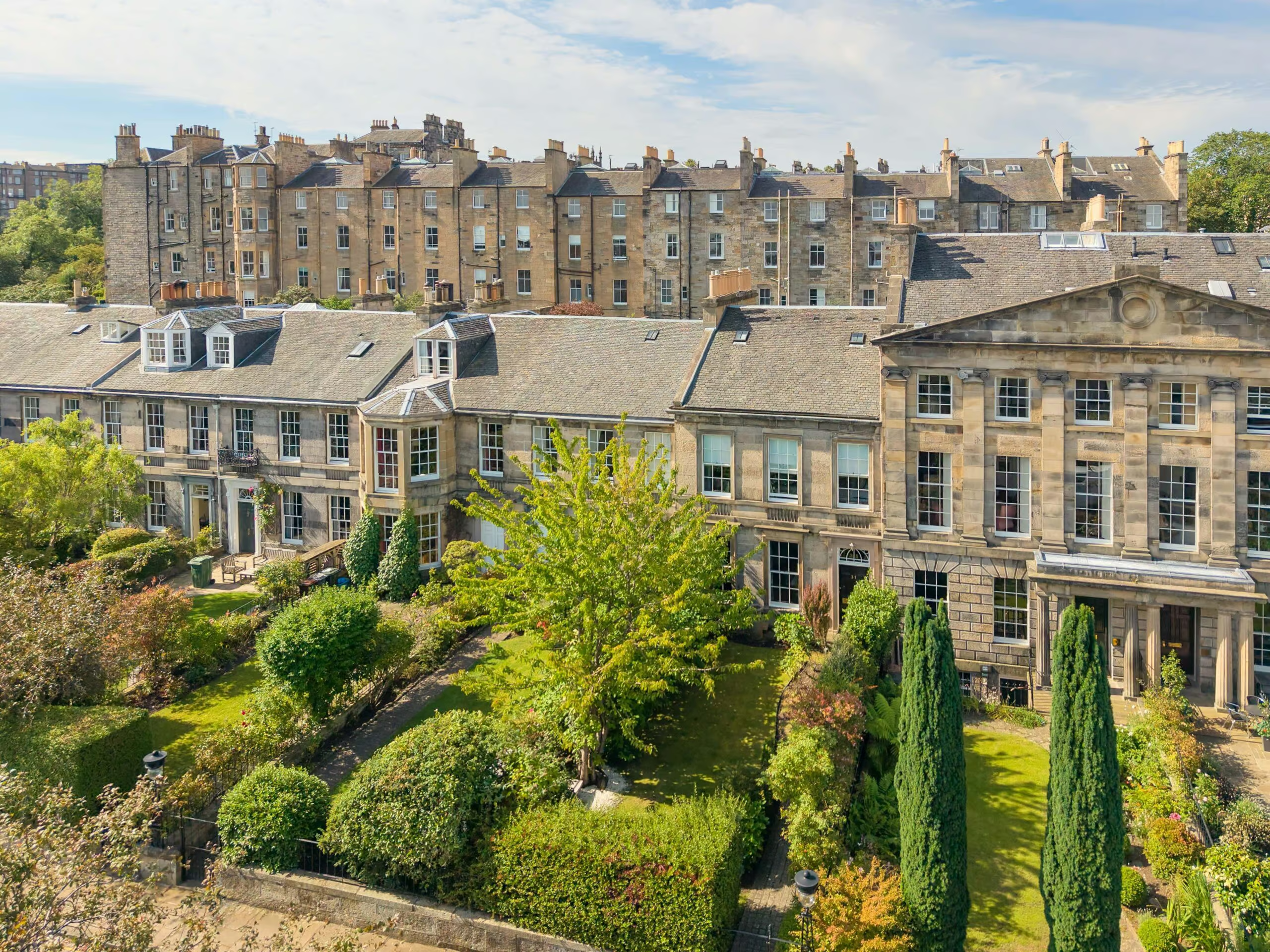
Edinburgh is renowned for its rich architectural heritage, with centuries-old townhouses, Georgian terraces, Victorian villas, and historic tenements shaping the city’s unique character. Whether you’re buying your first period property, planning renovations, or simply curious about the rules surrounding historic homes, understanding listed buildings and conservation areas is essential.
While owning a historic property can be incredibly rewarding, it also comes with responsibilities. This guide explains the different listing categories, how conservation areas work, what permissions you may need, and what changes are realistically possible.
What Is a Listed Building?
For those unfamiliar with the term, a listed building is a property recognised for its special architectural or historic significance. Listing helps protect buildings that contribute to Scotland’s cultural heritage, ensuring important features are preserved for future generations.
Listing is not limited to castles or grand mansions. Many ordinary homes, shops, churches, schools, and even bridges can be listed if they hold historical or architectural value. Being listed doesn’t mean you can’t make changes. However, it does mean that alterations affecting the building’s character are carefully managed through a formal consent process.
Understanding Listing Categories A, B and C
In Scotland, listed buildings fall into one of three categories based on their historical significance.
Category A
Category A buildings are of national or international importance. They are outstanding examples of a particular architectural style, construction method, or historical period.
These buildings often include landmark structures, exceptional Georgian townhouses, significant public buildings, and iconic heritage properties. Because of their importance, alterations are closely scrutinised, and preserving original features is a priority.
Category B
Category B buildings are of regional importance or represent particularly good examples of a specific period or architectural style. Many attractive Victorian villas, Georgian terraces, and well-preserved traditional buildings in Edinburgh fall into this category.
Owners usually have more flexibility than with Category A buildings, but any significant changes still require careful consideration and, in many cases, Listed Building Consent.
Category C
Category C buildings are considered of local importance. They are often good examples of traditional architecture or contribute significantly to the character of a local area.
Although restrictions can sometimes be less demanding than for Categories A or B, owners should never assume permission is unnecessary. The same legal protections apply regardless of whether a building is Category A, B, or C.
What Is a Conservation Area?
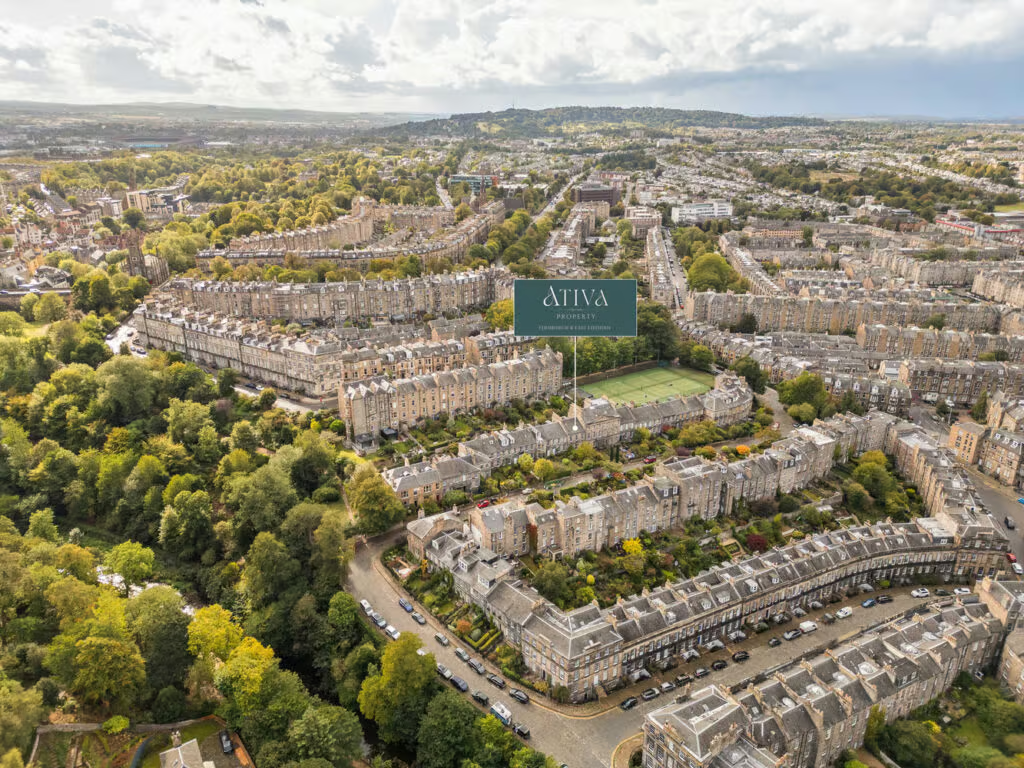
A conservation area is different from a listed building. Rather than protecting an individual property, conservation areas protect the overall character and appearance of a neighbourhood.
Edinburgh has many conservation areas, including parts of the New Town, Old Town, Stockbridge, Morningside, Marchmont, and other historic districts. Within these areas, planning authorities seek to ensure that new development, extensions, demolition, and external alterations preserve or enhance the area’s distinctive character.
Importantly, your home may not be listed but could still be located within a conservation area, meaning additional planning controls may apply.
Listed Building vs Conservation Area
It’s common for homeowners to confuse the two designations. Here’s a simple way to distinguish between them: A listed building is protected because of its individual historic or architectural significance. A conservation area protects the wider streetscape, including groups of buildings, landscaping, public spaces, and the overall appearance of the neighbourhood.
Some properties are both listed and located within a conservation area, meaning owners must comply with both sets of regulations.
What Changes Can Owners Make?
One of the biggest myths is that listed buildings cannot be altered at all. In reality, sympathetic alterations are often permitted, provided they respect the building’s historic character.
Examples of changes that may be possible include:
- Kitchen renovations
- Bathroom upgrades
- Electrical rewiring
- Plumbing improvements
- Heating system upgrades
- Internal decorating
- Roof repairs using appropriate materials
- Careful restoration of original features
However, projects that affect historic fabric or character are much more likely to require formal approval.
These may include:
- Removing original walls or fireplaces
- Replacing traditional windows
- Installing new external doors
- Building extensions
- Altering rooflines or chimneys
- Replacing traditional roofing materials
- Significant structural changes
Every property is different, so there is no universal rule.
Do You Need Listed Building Consent?
If proposed work affects the character of a listed building, Listed Building Consent is usually required. This is separate from standard planning permission, and in some cases, you may need both.
Importantly, carrying out unauthorised work to a listed building can be a criminal offence, even if the changes seem minor. For this reason, it’s always advisable to seek professional advice before beginning work.
We’e happy to guide you, and architects and planning consultants experienced in heritage properties can help determine which permissions are necessary and prepare applications that satisfy local authority requirements.
What About Windows and Doors?
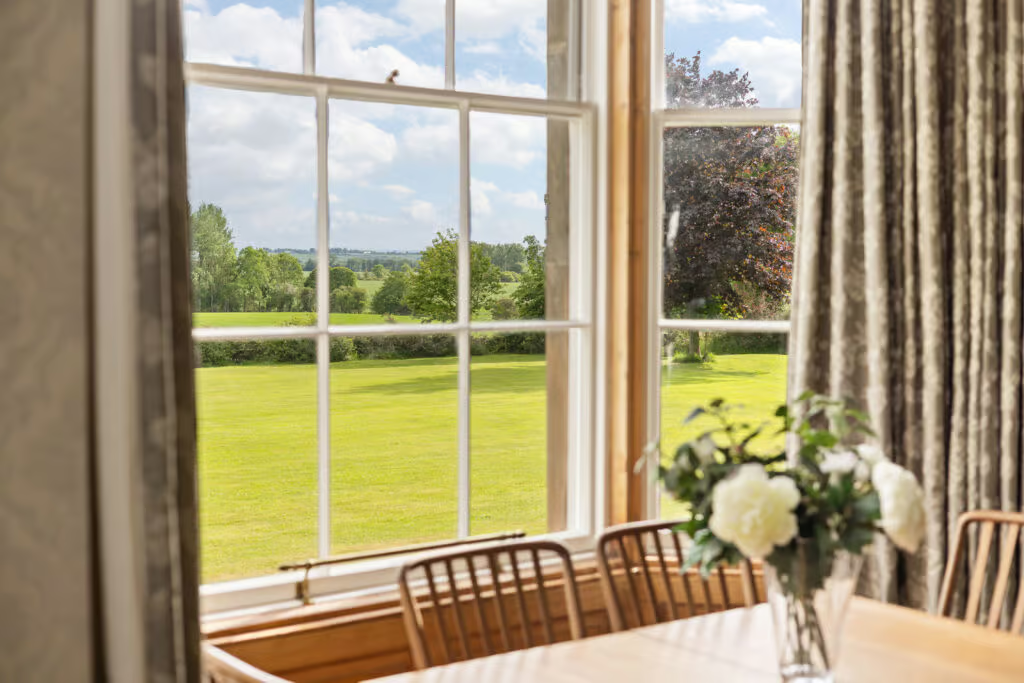
Windows are one of the most common areas where homeowners encounter restrictions. Original timber sash and case windows contribute significantly to Edinburgh’s historic character.
Replacing them with modern uPVC alternatives is often discouraged or refused, particularly for listed buildings and properties in conservation areas. However, repair, refurbishment, draught-proofing, and high-quality timber replacements are frequently supported when they maintain the building’s appearance.
Similarly, original front doors, fanlights, and decorative ironmongery are often considered important historic features worth retaining.
Can You Improve Energy Efficiency?
Many owners worry that heritage protections prevent modern energy improvements. Fortunately, this is no longer the case. Sensitive upgrades can often improve comfort and reduce energy bills while preserving historic character.
Depending on the building, suitable improvements may include:
- Loft insulation
- Floor insulation
- Secondary glazing
- Draught-proofing
- Improved heating systems
- Internal wall insulation in selected locations
- Energy-efficient lighting
The key is choosing solutions that minimise harm to original materials and maintain the building’s significance. Professional advice is particularly valuable when you’re looking to balance sustainability with heritage conservation.
Living in a Historic Property
Owning a listed building or home within a conservation area often requires more planning before undertaking improvements. Maintenance may involve traditional materials and specialist tradespeople, while permissions can take longer than for modern properties.
However, many owners find the benefits far outweigh the additional responsibilities.
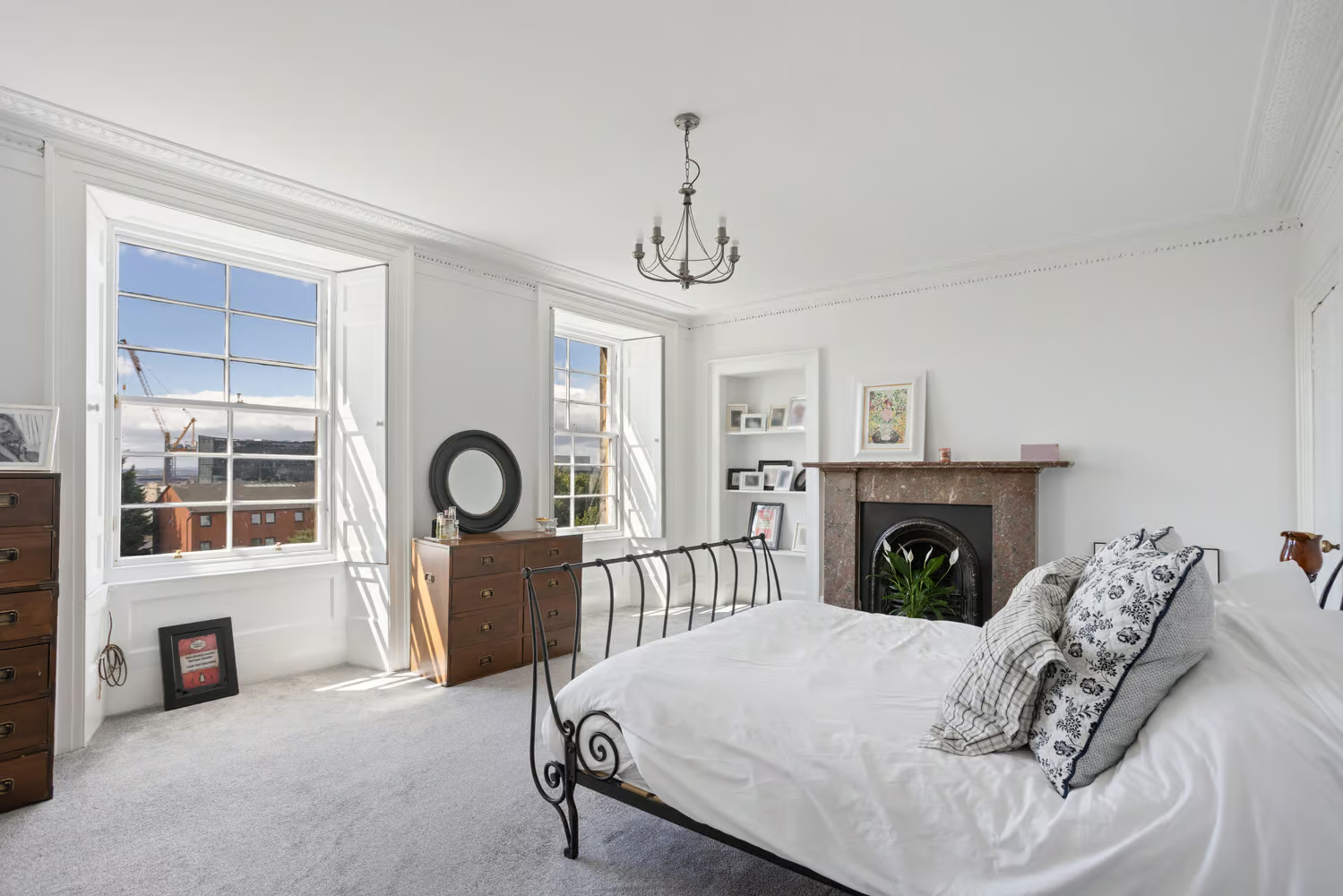
Historic homes often feature craftsmanship, proportions, and architectural details that are difficult to replicate today. Original cornicing, stone masonry, timber staircases, decorative plasterwork, and traditional sash windows all contribute to their enduring appeal.
By caring for these features appropriately, you not only protect the value of your own property but also help preserve Edinburgh’s unique architectural heritage.
Final Thoughts
Listed buildings and conservation areas play an important role in safeguarding Edinburgh’s historic identity. While they introduce additional responsibilities for homeowners, they do not prevent sensitive improvements or modern living.
Understanding the difference between Categories A, B, and C listings, recognising when consent is required, and seeking professional advice before starting significant work can save considerable time, money, and stress. Whether you’re restoring a Georgian townhouse, renovating a Victorian villa, or maintaining a traditional tenement flat, informed decisions will help protect both your investment and one of Europe’s most remarkable historic cityscapes for generations to come.
Would you like to know more? Contact me, Fiona Vernon by emailing [email protected] or phoning me on 07900 605674 now.