Edinburgh’s period properties are among the city’s most sought-after homes. From elegant Georgian townhouses in the New Town to Victorian villas in Morningside and charming tenement flats in Marchmont and Bruntsfield, these properties are prized for their character, craftsmanship, and history.
If you’re preparing to sell a prime home in the capital, you may be wondering whether it’s worth renovating before putting it on the market. Should you modernise the kitchen? Repaint every room? Invest in professional staging? Or is it better to sell your property exactly as it is? The answer depends on your property’s condition, your budget, and the type of buyer you’re hoping to attract.
Here’s how to decide where your money is best spent.
Start with the Market, Not the Paintbrush
One of the biggest mistakes sellers make is assuming every improvement will increase their home’s value. In reality, buyers don’t always pay pound-for-pound for renovations.
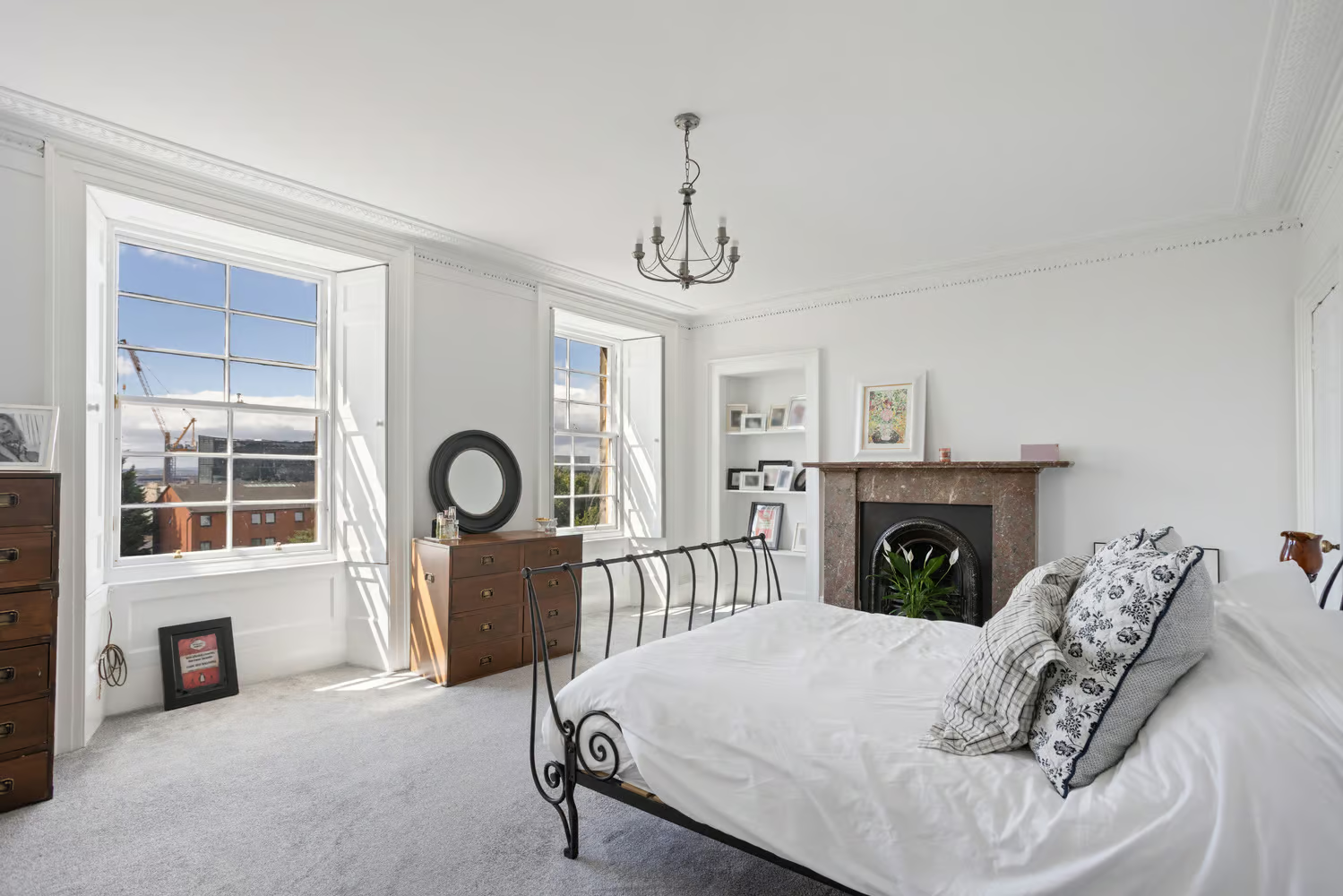
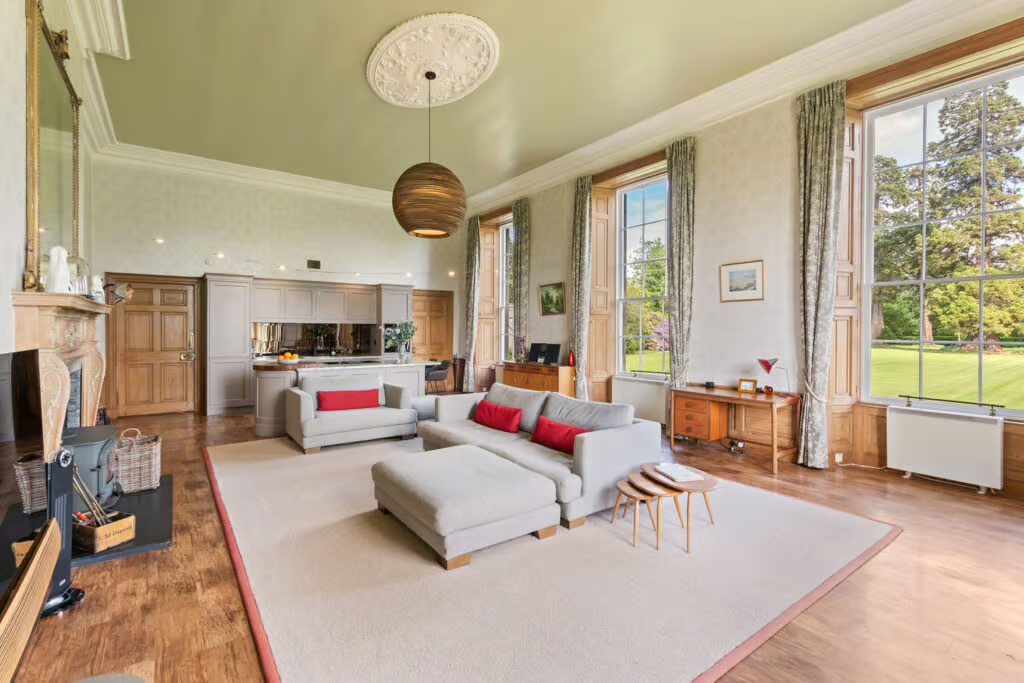
Edinburgh’s property market remains strong, particularly for desirable period homes in established neighbourhoods. Many buyers are actively looking for original features such as cornicing, fireplaces, sash windows, high ceilings, and hardwood flooring. In some cases, they would actually prefer to renovate the property themselves rather than pay a premium for someone else’s design choices.
Before committing to expensive upgrades, ask yourself a simple question: Will this improvement genuinely make my home more appealing to a wider range of buyers, or is it simply a personal preference? If it’s the latter, your money may be better spent elsewhere.

When Renovations Make Sense
There are situations where carrying out work before selling is worthwhile. If your property has obvious defects that could discourage buyers or reduce mortgage valuations, addressing these issues can improve both interest and sale price.
Especially in the current market, prospective buyers are increasingly looking for turnkey homes. Properties that require serious upgrades, tend to take somewhat longer to sell.
Examples of useful revovations include:
- Damp or water damage
- Broken windows
- Leaking roofs
- Faulty electrics
- Damaged flooring
- Loose plasterwork
- Outdated or unsafe heating systems
These aren’t cosmetic concerns. They create doubt in buyers’ minds. Even purchasers who intend to renovate often worry that visible problems could indicate more expensive hidden issues. Fixing maintenance problems first generally provides a stronger return than installing a brand-new kitchen.
Don’t Over-Modernise a Period Property
Period homes have character that cannot easily be recreated. One common mistake is removing original features in favour of contemporary finishes. Replacing traditional fireplaces, original timber doors or decorative mouldings with modern alternatives can actually reduce a property’s appeal.
Instead, focus on enhancing what makes the home special, such as restoring original wood flooring, repairing decorative cornicing, refreshing traditional sash windows, polishing period fireplaces and cleaning natural stone features.
Buyers choosing Edinburgh’s older properties are often buying the lifestyle and architectural charm as much as the square footage.
The Power of Fresh Paint
If there’s one relatively inexpensive improvement that almost always pays off, it’s redecorating. Years of everyday living leave marks, scuffs and fading that buyers notice immediately during viewings.
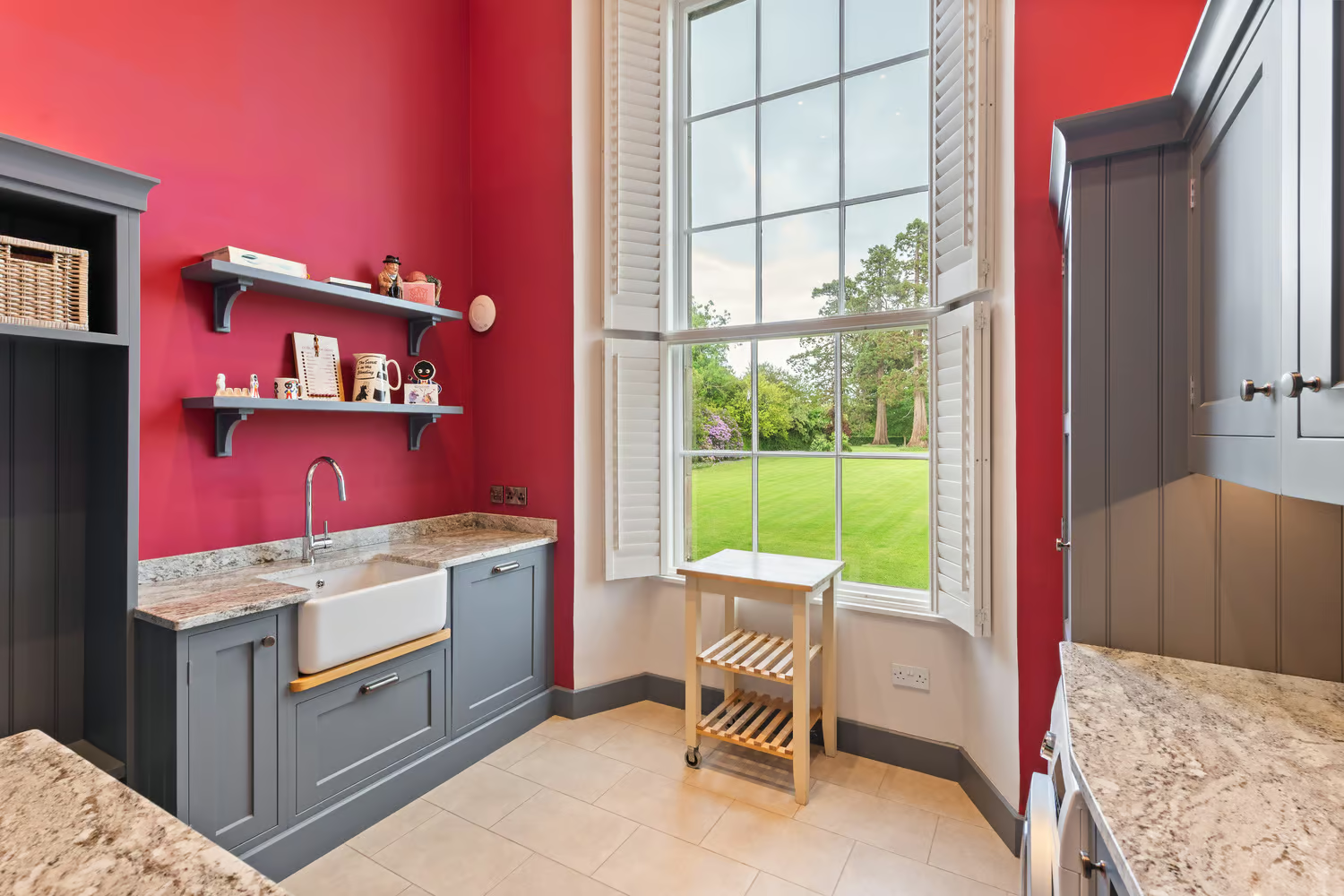
Fresh, neutral paint helps rooms feel brighter, cleaner, better maintained nad more spacious. Stick to soft whites, warm greys or light neutral shades rather than bold feature walls. Neutral colours allow buyers to imagine adding their own personality without being distracted by yours.
Painting typically offers one of the best returns on investment because it dramatically improves first impressions without requiring a significant budget.
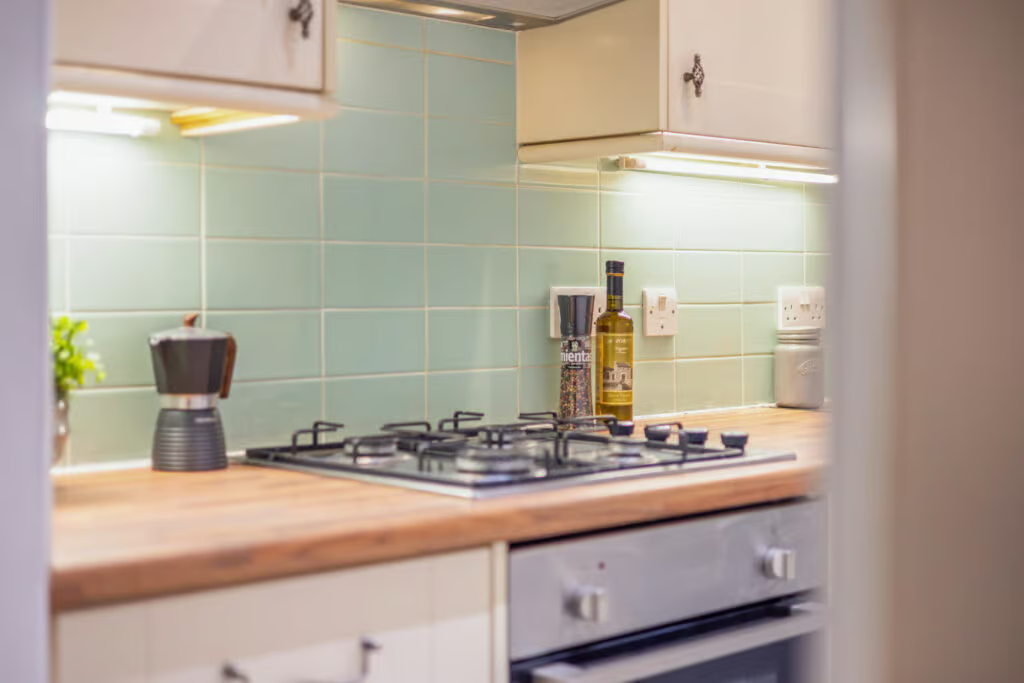
Is a New Kitchen Worth It?
Many sellers assume kitchens sell houses. While kitchens are important, replacing an entire kitchen shortly before selling isn’t always the smartest financial decision.
Ask yourself these questions:
- Is the kitchen functional?
- Is it clean?
- Are cupboard doors in good condition?
- Are worktops well maintained?
If the answer is yes, smaller updates may achieve almost the same effect for far less money. Simple improvements include replacing cabinet handles, updating lighting, repainting cupboards, refreshing silicone seals, deep cleaning appliances and repairing damaged tiles.
A spotless, well-presented kitchen often outperforms an expensive remodel that doesn’t suit a buyer’s taste.
Professional Home Staging Can Make a Difference
Presentation has never been more important. Most buyers first discover homes online, meaning your property’s photographs often determine whether someone books a viewing. Images, videos and drone footage all combine to create an unforgettable first impression.
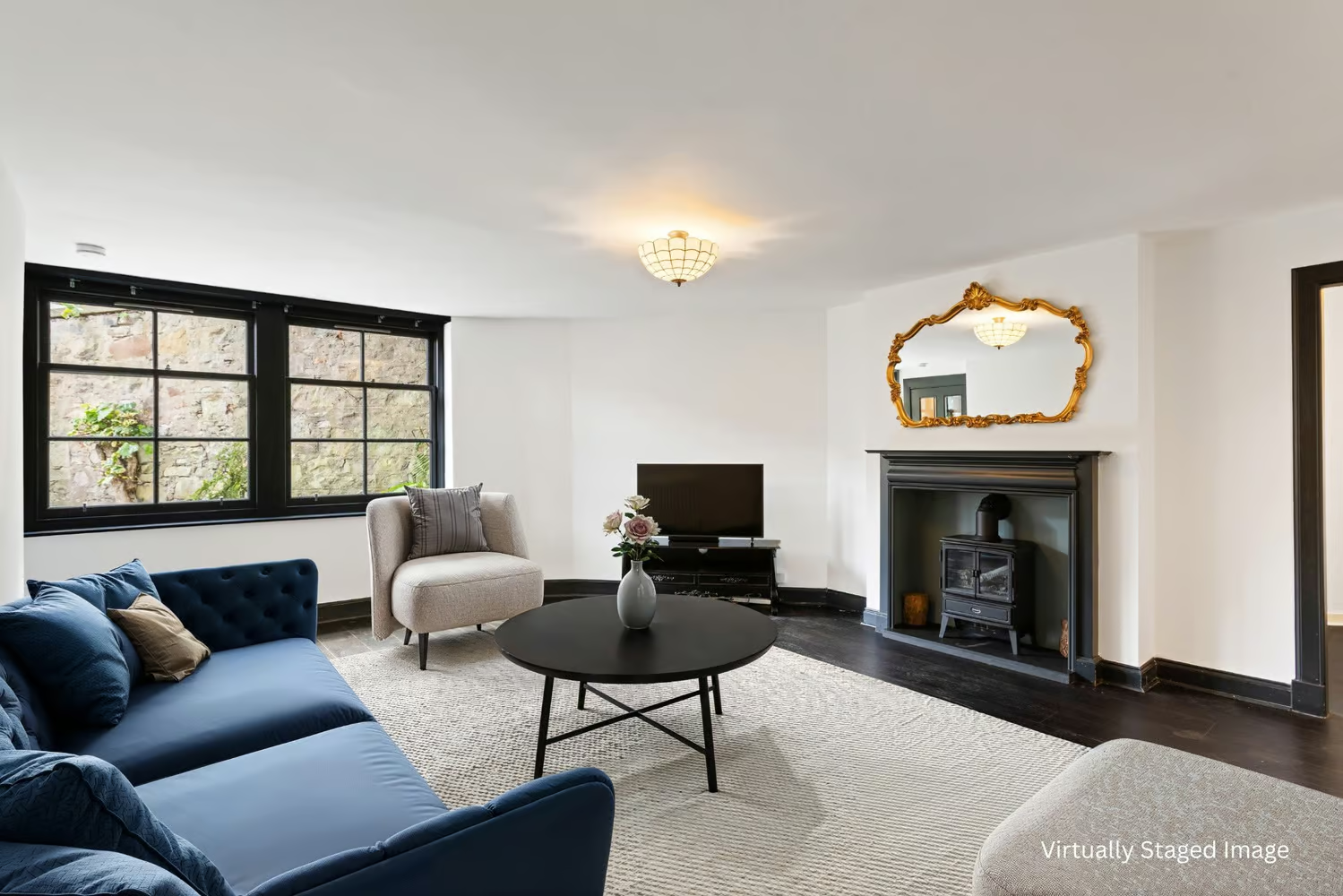
Professional staging doesn’t necessarily mean renting designer furniture. It means helping buyers emotionally connect with the space. This could involve removing excess furniture, decluttering surfaces, adding tasteful accessories, improving lighting, rearranging rooms for better flow and dressing beds and dining areas attractively.
For vacant properties, partial staging can help buyers understand room sizes and layouts far more effectively than empty spaces. Even modest staging can improve marketing photography and generate stronger viewing interest.
Declutter Before You Decorate
Before spending thousands on renovations, spend a weekend removing clutter. This costs almost nothing but can completely transform how spacious your property feels.
Focus on clearing kitchen worktops, removing excess furniture, organising wardrobes, tidying storage cupboards, removing personal photographs and simplifying decorative items. Buyers aren’t just inspecting your home, but they’re imagining themselves living there.
The easier you make that visual transition, the more successful your viewing is likely to be.
When Selling “As Is” Makes More Sense
Not every seller has the time, budget or desire to renovate. Sometimes selling in its current condition is the right decision.
This is particularly true if the property requires extensive modernisation. It’s also a great option if buyers are likely to undertake a full refurbishment anyway, you’re relocating quickly, the cost of improvements would create financial strain or the property appeals to developers or experienced renovators.
Many Edinburgh buyers actively seek renovation projects because they want to personalise the property from the outset. In these situations, honesty is often the best strategy. Price the home realistically and market its potential rather than attempting quick cosmetic fixes that don’t address larger issues.
Focus on Return on Investment
Before spending money, estimate whether the improvement is likely to increase your sale price by more than it costs. Generally, the strongest returns come from:
- Repairing visible defects
- Fresh neutral decoration
- Professional cleaning
- Garden or entrance improvements
- Decluttering
- Professional photography
- Home staging
The weakest returns often come from:
- Luxury kitchens
- High-end bathrooms
- Bespoke design features
- Expensive flooring replacements where existing floors are serviceable
Buyers appreciate well-maintained homes far more than overly personalised renovations.
Final Thoughts
Selling an Edinburgh period property or prime home isn’t about making it look brand new. In fact, much of its value lies in its age, craftsmanship and original character.
Rather than embarking on costly renovations, focus on presenting the property at its very best. Repair obvious defects, refresh tired décor, declutter thoroughly and highlight the architectural features that make period homes so desirable. In many cases, these relatively modest improvements will attract more buyers, generate stronger offers and deliver a far better return than a full-scale renovation.
If you’re unsure which improvements are worthwhile, contact us for advice before spending money. A fresh perspective can help you invest where it matters most and avoid unnecessary work that buyers may never value.
Would you like to know more? Contact me, Fiona Vernon by emailing [email protected] or phoning me on 07900 605674 now.