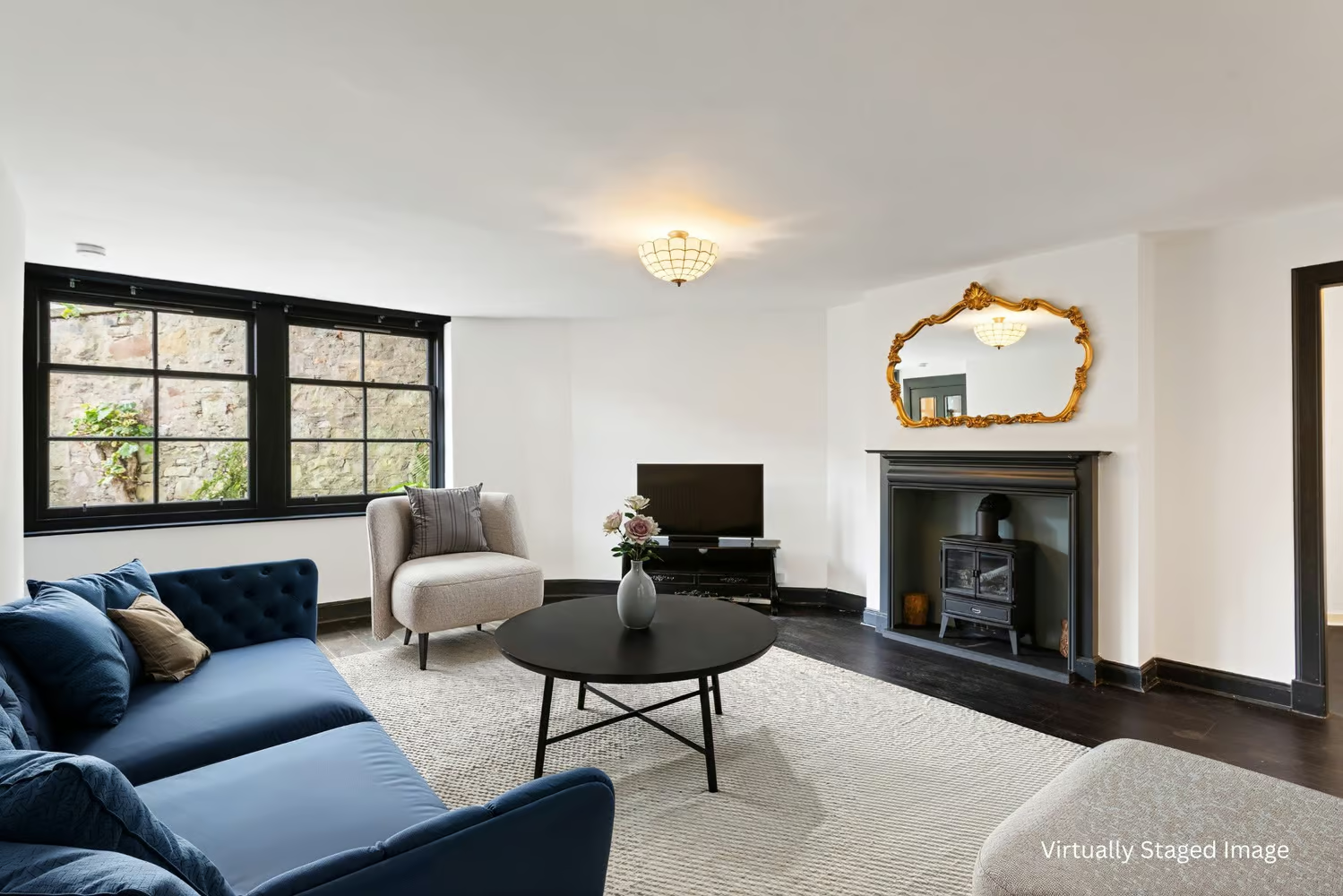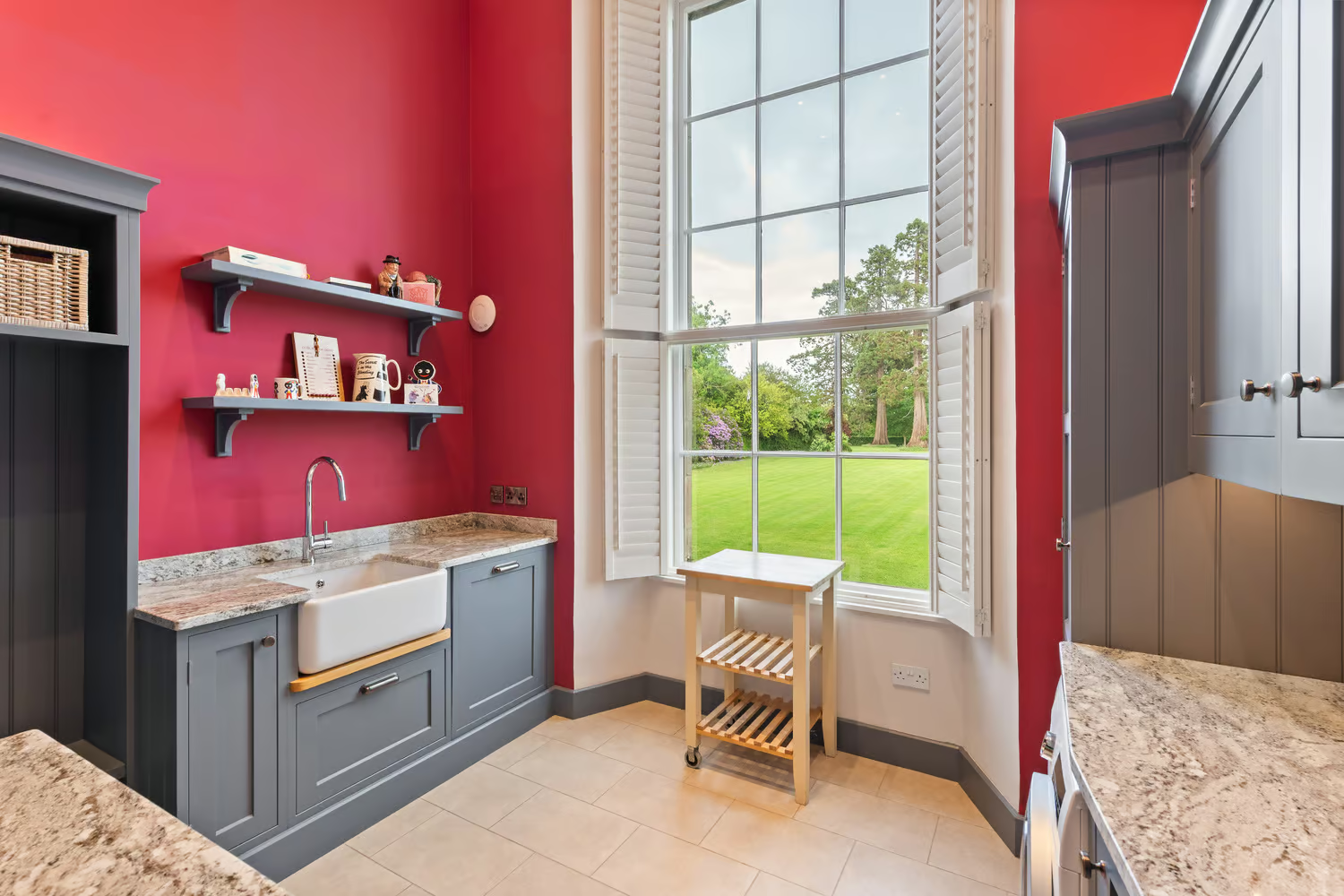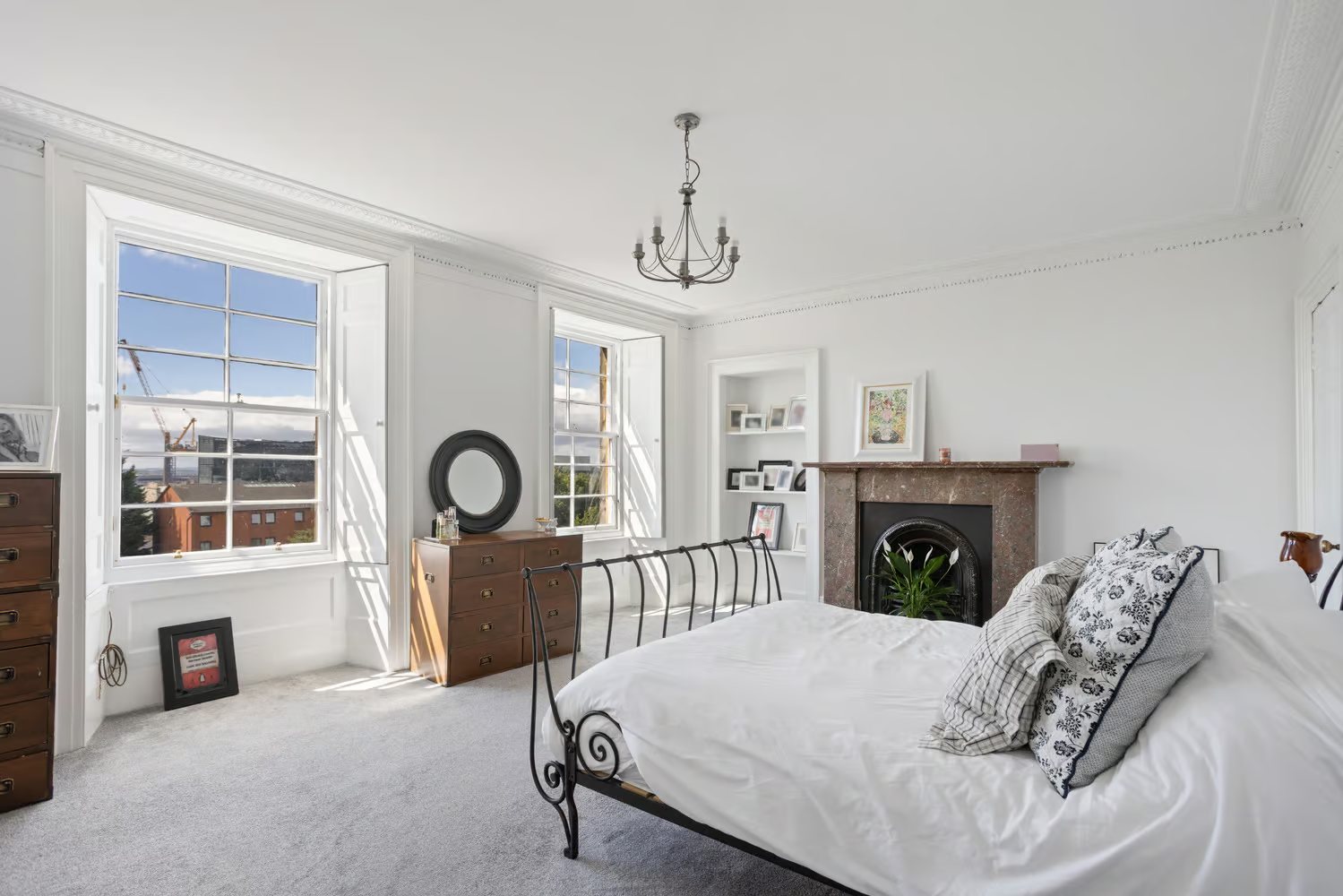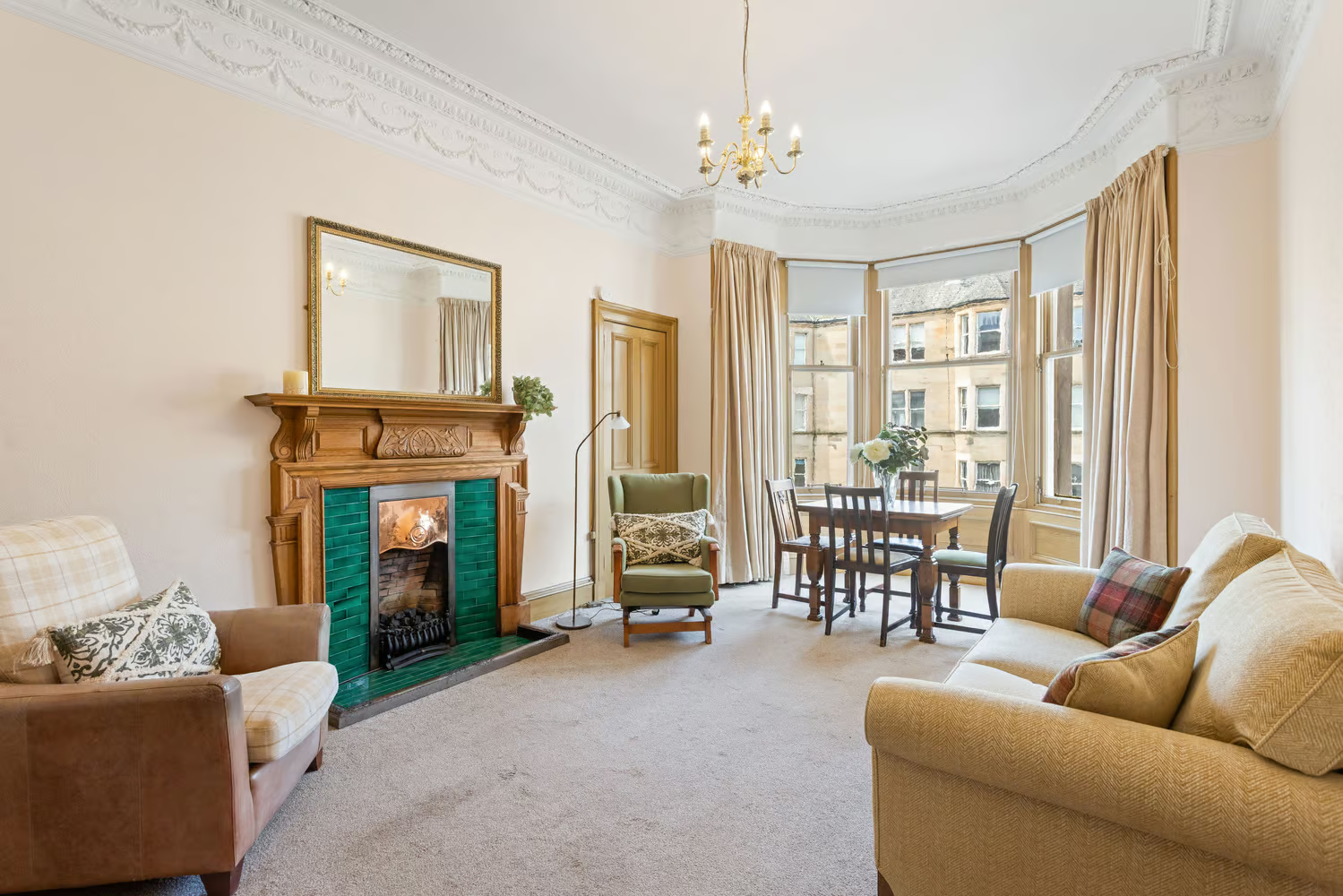
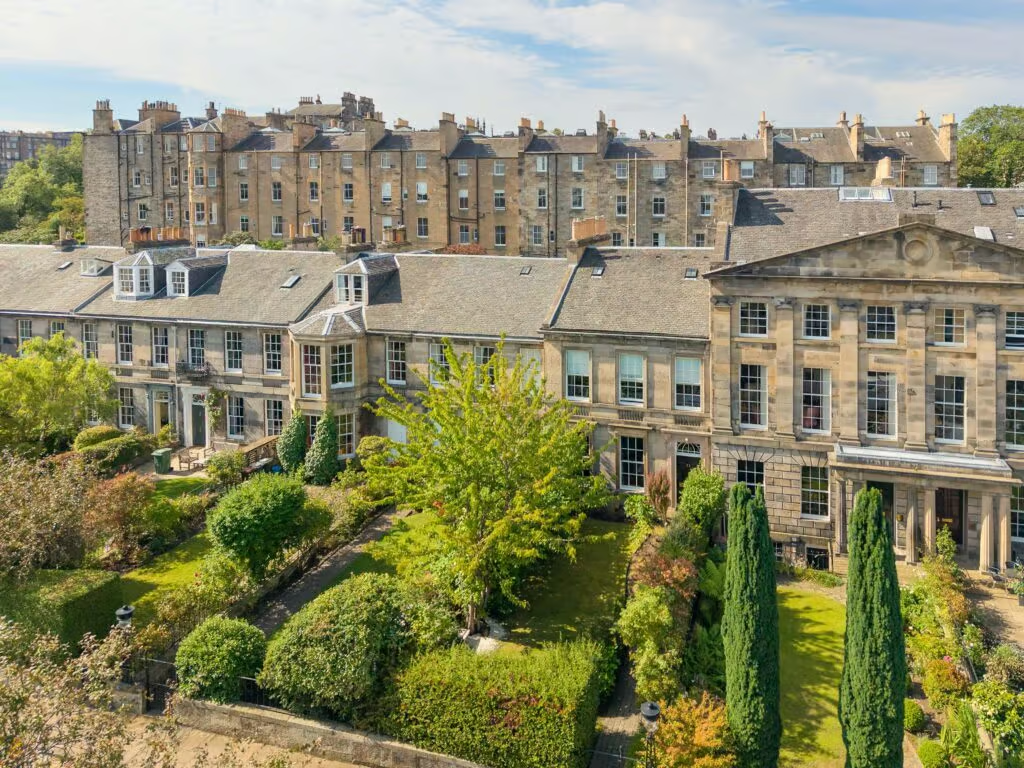
There is something uniquely appealing about an Edinburgh period home. Perhaps it is the honey-coloured sandstone, an original sash window, an ornate cornice or the sweeping proportions of a Georgian drawing room. Maybe it is the sense that, behind every stone façade and traditional tenement stair, there is a story waiting to be uncovered.
For anyone buying or selling a period property in Edinburgh, understanding that story can add another dimension to the home. These houses and flats are not simply desirable properties; they are the result of centuries of architectural ambition, skilled craftsmanship, social change and urban development.
From the elegant streets of the Georgian New Town to the Victorian tenements of Marchmont and Bruntsfield and the Edwardian villas of Morningside and Merchiston, Edinburgh’s period homes offer a remarkable record of the city’s past.
But who built them, who lived in them, and what can their history tell us about the properties we see today?
Building a New Edinburgh
The story of Edinburgh’s Georgian homes begins with a city struggling with growth. By the middle of the 18th century, Edinburgh’s Old Town was densely populated. Its medieval layout offered limited opportunities for expansion, while overcrowding and poor sanitation were becoming increasingly problematic.
The solution was to build a new city to the north.
In 1767, architect James Craig won the competition to design Edinburgh’s New Town. His plan introduced wide streets, formal squares and carefully ordered terraces. The result was to be a dramatic contrast to the narrow closes and irregular streets of the Old Town.
A new type of Edinburgh home was born. Elegant Georgian townhouses were designed for affluent residents, including lawyers, doctors, merchants, academics and members of the city’s professional classes. Their architecture communicated wealth and status, but it was also carefully designed around how people lived.
Large reception rooms provided space for entertaining, while kitchens and service areas were positioned away from the principal rooms. Domestic servants were an important part of many wealthy households, and the layout of these homes reflected the social structure of the time.
For today’s buyer, details such as ceiling height, room proportions, original fireplaces and traditional staircases are often among the defining features of a Georgian property. These elements are not simply decorative: they are evidence of how the building was originally conceived and used.
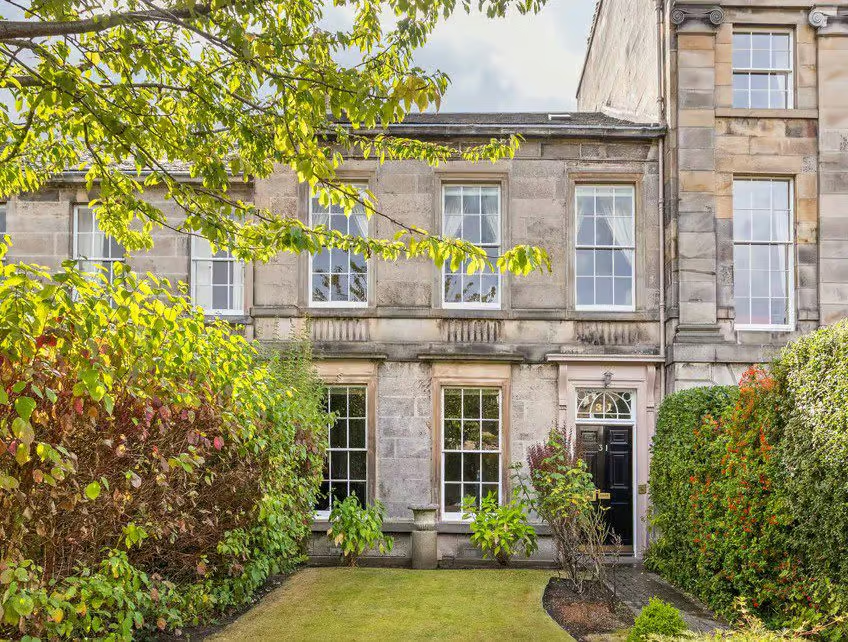
The Craftsmen Behind the Stone
The names of famous architects often dominate architectural history, but Edinburgh’s period homes could not have been built without thousands of skilled tradespeople. Stonemasons, joiners, plasterers, roofers, glaziers, painters and labourers all contributed to the city’s transformation.
Sandstone became one of Edinburgh’s defining materials. Quarried locally and used extensively throughout the city, it gave Edinburgh much of its distinctive character. Look closely at a period property and the craftsmanship becomes apparent. Carved stone doorways, decorative window surrounds, timber staircases, intricate cornices and original fireplaces all reveal the work of people whose names have largely disappeared from the historical record.
For owners of period properties, these details can be part of what makes a house or flat special. They can also require a different approach to maintenance and renovation than a modern property.
Understanding the materials and construction methods used historically can therefore be valuable when considering the long-term ownership of a period home.
Victorian Edinburgh and the Rise of the Tenement
Edinburgh changed dramatically once more during the Victorian period. Population growth, industrialisation and expanding employment created enormous demand for housing. The city needed to accommodate more people, and the tenement became one of its defining architectural solutions.
Victorian tenements allowed multiple households to live within substantial stone buildings, making efficient use of increasingly valuable urban land.
Today, Edinburgh’s tenements are among its most recognisable and sought-after period properties. Areas such as Marchmont, Bruntsfield, Stockbridge and parts of Leith contain extensive examples of Victorian architecture, each with its own character and history.
Importantly, Victorian tenements were not all created for the same social group. Some provided relatively modest accommodation for working and middle-class families, while larger and more elaborate buildings housed professionals and prosperous households. The same architectural form could therefore accommodate people from very different backgrounds.
Inside, original features could include generous entrance halls, communal staircases, ceiling cornicing, fireplaces, timber flooring and large sash-and-case windows.
Many of these features remain highly valued by today’s buyers because they give period properties a sense of character that can be difficult to reproduce in a modern development.
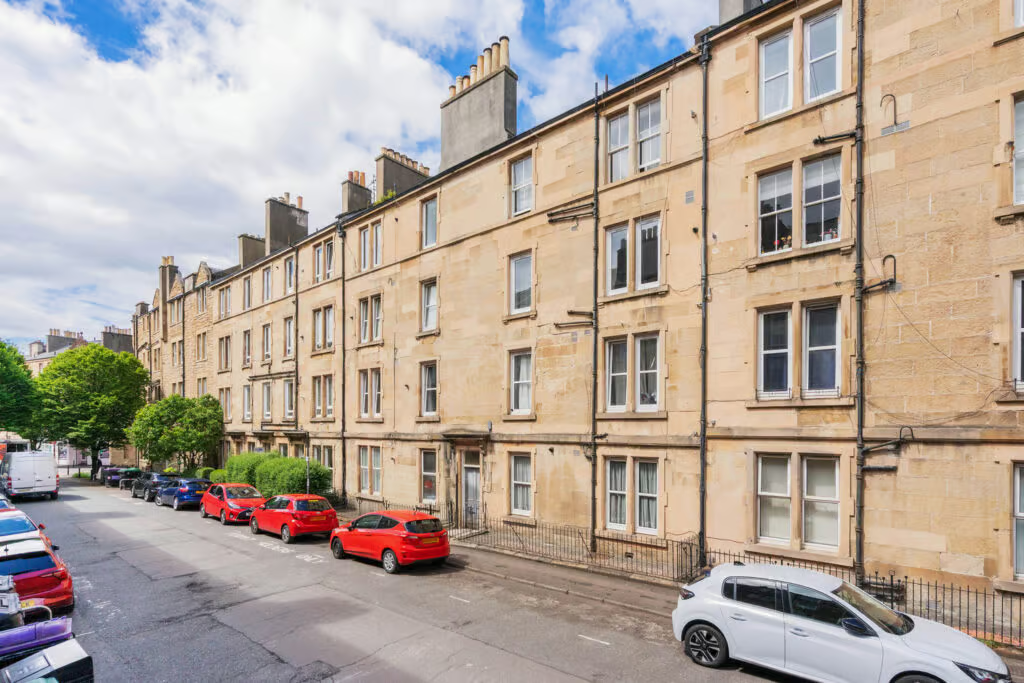
Who Lived in Edinburgh’s Tenements?
The social history of Edinburgh’s tenements is particularly fascinating. Behind the same sandstone façade might have lived a solicitor, a shopkeeper, a teacher, a clerk, a skilled tradesperson or a growing family. Some households employed domestic servants; others relied on every available room to accommodate family members or lodgers.
The tenement was, in many ways, a reflection of the changing city. Edinburgh’s growing population brought pressure on housing, sanitation and public health. Reformers increasingly campaigned for better living conditions, while improvements to drainage, water supplies and ventilation gradually changed urban housing.
This history is still relevant when looking at period property today. Behind the character and charm, owners need to understand the practical realities of maintaining older buildings. Those repairs often involve common repairs, traditional materials and communal structures.
That combination of character and responsibility is part of what makes period property ownership so distinctive.
Edwardian Homes and Changing Ideas About Living
By the early 20th century, Edinburgh was expanding further beyond its historic centre. Edwardian homes often reflected changing expectations about domestic life. Larger villas and terraces appeared in areas such as Morningside, Merchiston and other developing suburbs, offering more space, gardens and a greater sense of privacy.
Architectural tastes were changing too. Arts and Crafts influences encouraged an appreciation of traditional materials and craftsmanship, while Scottish architectural traditions continued to inspire designers.
The Edwardian home was increasingly shaped around comfort and family life. Larger windows brought more natural light into rooms, while improved services and domestic technology gradually changed how households functioned.
For today’s buyer, these properties can offer an appealing combination: the architectural character of an older building with layouts that may feel more familiar to modern family life.
Why the History Still Matters
For many period home buyers, the story behind a home is more than an interesting piece of background. Knowing when a property was built, who it was designed for and how it has evolved can help explain its layout, materials and architectural features. It can also provide valuable context when considering alterations, restoration or ongoing maintenance.
For sellers, that history can be equally important. A period home is rarely just a collection of rooms. Its appeal can lie in the combination of location, proportions, craftsmanship, architectural details and the story carried by the building itself.
This is particularly true in Edinburgh, where different neighbourhoods developed at different times and for different purposes. A Georgian townhouse in the New Town, a Victorian tenement in Marchmont and an Edwardian villa in Morningside may all be described as period properties, but they represent very different chapters in the city’s development.
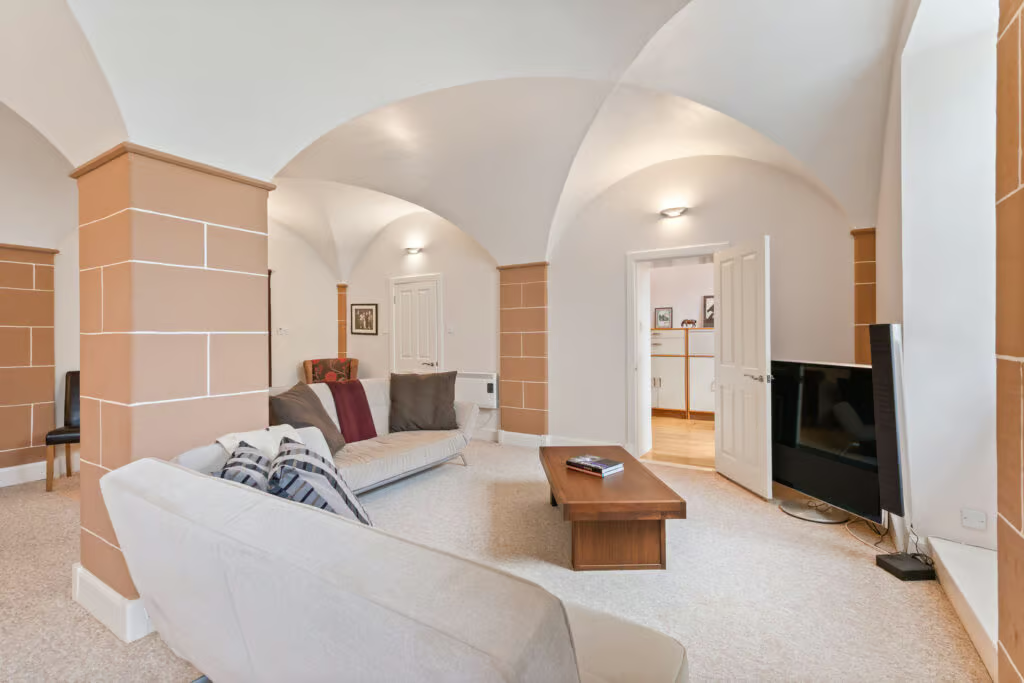
A Home With a Story
Perhaps that is the enduring appeal of Edinburgh’s period homes.
Their value is not only in their architecture, although that is certainly part of it. It is also in the sense of continuity they provide. The stone was shaped by craftsmen generations ago. The rooms were planned around lives very different from our own. Families have grown up in them, professions have been pursued behind their doors and neighbourhoods have evolved around them.
Today, new owners become the next chapter in that story. For anyone considering buying or selling an Edinburgh period property, understanding the building’s architectural and social history can provide a deeper appreciation of what makes it distinctive.
After all, when you buy a period home in Edinburgh, you are not simply buying an address. You are becoming the custodian of a small piece of the city’s history.
To learn more about selling a period property in the capital or finding that perfect next home, contact me, Fiona Vernon by emailing [email protected] or phoning me on 07900 605674 now.